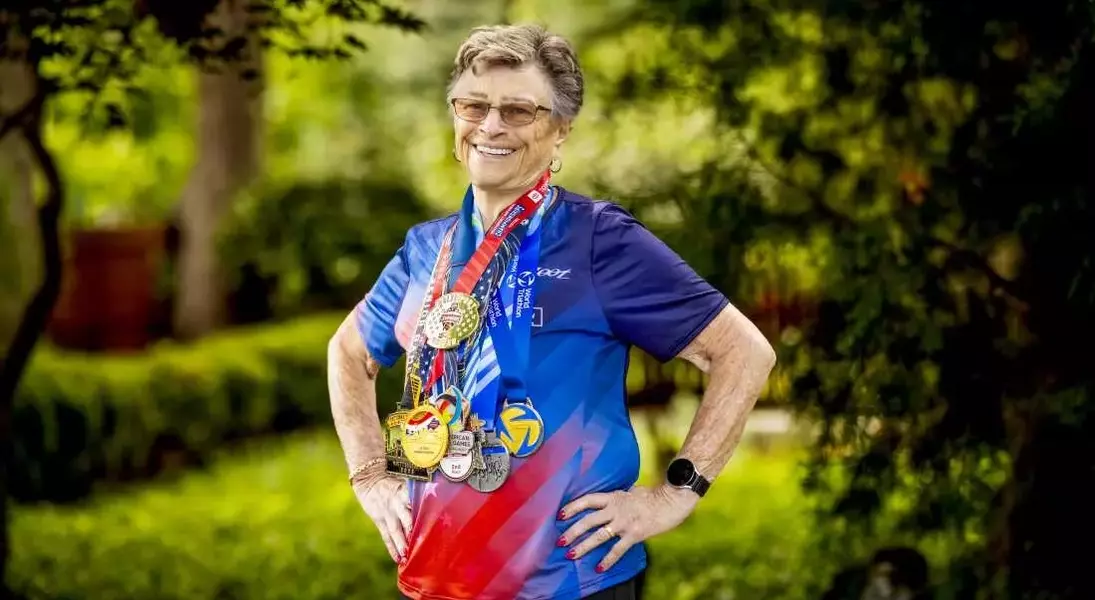

Luise Easton, an extraordinary 87-year-old triathlete, embodies the spirit of perseverance, demonstrating that age is merely a number when it comes to athletic ambition. Her journey, marked by continued competition and triumphs even while managing a heart condition, serves as a powerful testament to the benefits of proactive health management and a vibrant lifestyle. This narrative delves into her inspiring path, offering practical guidance for sustained physical activity and overall well-being, supported by expert medical perspectives on the prevention of chronic illnesses.
An Inspiring Narrative: Luise Easton's Continued Athletic Pursuits
In February 2026, as the Winter Olympics captivate global audiences, the spotlight shines on world-class athletes, perhaps inspiring many to embrace a more active lifestyle. For those who believe they are too old or out of shape to undertake physical challenges, 87-year-old Luise Easton offers a compelling counter-narrative, proving that human potential often surpasses perceived limitations.
Easton, a resident of Cleveland, has carved out a distinguished career in triathlons, competing and securing victories both locally and internationally. Her achievements are remarkable; at 80, she triumphed in Denmark, and in 2023, she earned another medal in Ibiza, recounting these successes with a joyful, youthful exuberance. While acknowledging a reduced field of competitors in her age group, she emphasizes the profound satisfaction of reaching the podium and receiving applause.
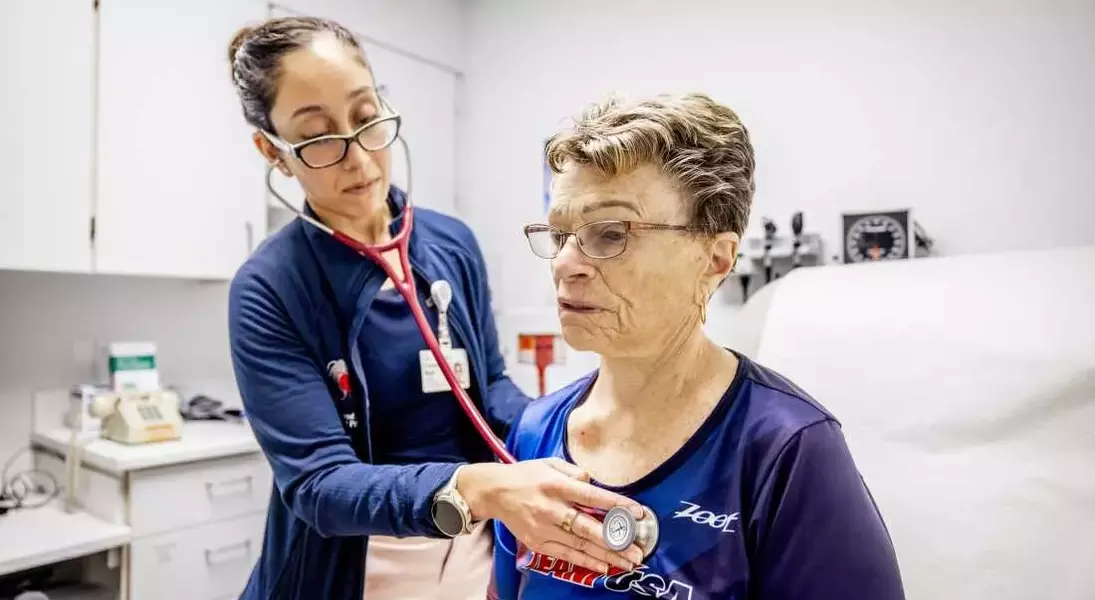
The path of an aging athlete is not without its hurdles. Like many older adults, Easton manages chronic health conditions, notably heart-related issues that necessitate ongoing medical care. However, her approach to these challenges has been commendably proactive. Five years prior, experiencing shortness of breath during her workouts, she promptly sought the expertise of a sports cardiologist at the Cleveland Clinic. Diagnosed with a heart condition characterized by a lower-than-normal ejection fraction and irregular rhythms, Easton's medical team prescribed medications to regulate her heart function. Critically, her doctors, including Dr. Tamanna Singh, a sports cardiologist, advocated for her continued activity, adapting her training regimen to incorporate more recovery and fine-tune intensity. This collaborative effort has enabled Easton to remain a formidable competitor.
Easton's experience underscores the immense value of early detection and treatment, combined with conscious lifestyle choices rooted in scientific evidence, in mitigating or deferring chronic heart conditions. Her discipline extends to maintaining a nutritious diet and prioritizing adequate rest. Her story offers a vital lesson for anyone contemplating their physical capabilities: listen to your body, seek professional medical advice, and never prematurely abandon your passions.
Dr. Victoria Maizes, an expert in integrative medicine and author of Heal Faster, reflects on Easton's journey as a powerful reminder of our innate capacity for recovery and resilience when driven by passion. Despite heart disease being a leading cause of mortality in the U.S., a significant portion of the population remains unaware of their risk factors, such as high blood pressure. Yet, Dr. Maizes highlights an encouraging fact: nearly 80% of heart disease cases are preventable through lifestyle adjustments, empowering individuals to take control of their health through diet, exercise, stress management, and even practices like time-restricted eating.
Easton, ever realistic, recognizes that her pace has changed. She now walks instead of running during parts of her triathlons, a strategic adjustment rather than a surrender. Her vibrant spirit and unwavering commitment demonstrate that even with modifications, the race continues, and the joy of participation endures.
The story of Luise Easton is a powerful reminder that the pursuit of health and personal achievement knows no age limit. Her dedication to triathlons, even in her late eighties and with a heart condition, exemplifies how a proactive approach to health can unlock sustained vitality. Her journey teaches us that embracing preventive care, adapting to physical changes, and maintaining a positive mindset are crucial for an active and fulfilling life. It encourages individuals across all generations to consider their own health trajectories, reminding us that continuous engagement with physical activity and thoughtful health management can indeed keep us in the game, challenging conventional notions of aging and competition. Ultimately, Easton's enduring spirit inspires us to redefine our personal boundaries and to cherish the journey of lifelong wellness.
