Retiring in Europe doesn't necessarily mean high expenses. Many charming villages across the continent offer a tranquil lifestyle with surprisingly manageable costs. These locations blend historical appeal with practical benefits like affordable housing, accessible healthcare, and a strong sense of community, making them ideal for retirees seeking a budget-friendly yet fulfilling experience.
The featured villages were carefully selected based on factors critical to retirees, including the affordability of housing and daily living, proximity to healthcare facilities, political stability, and a climate conducive to retirement. Additionally, the availability of long-stay or retirement visas for non-EU residents was a key consideration, ensuring practical accessibility for a broader range of international retirees.
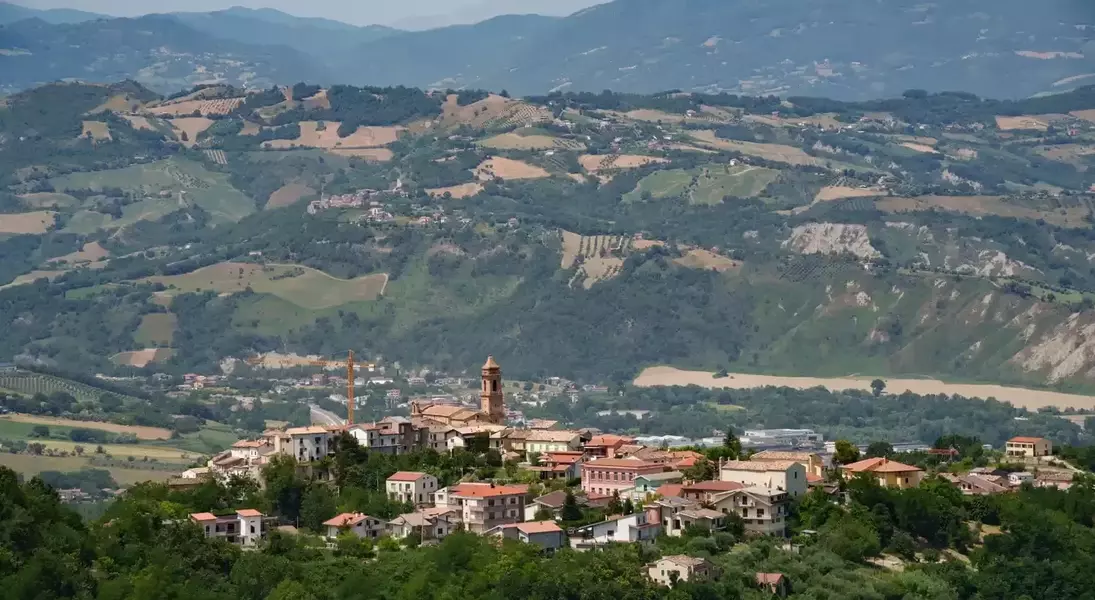
Penne, Italy, located on a hilltop in the Abruzzo region, boasts medieval architecture and cobblestone streets. This town offers a rich cultural experience with numerous museums, galleries, and festivals. Its moderate year-round weather makes it perfect for outdoor activities, and many locals speak English, making it welcoming for foreign residents. An international airport just 18 miles away provides convenient travel options.
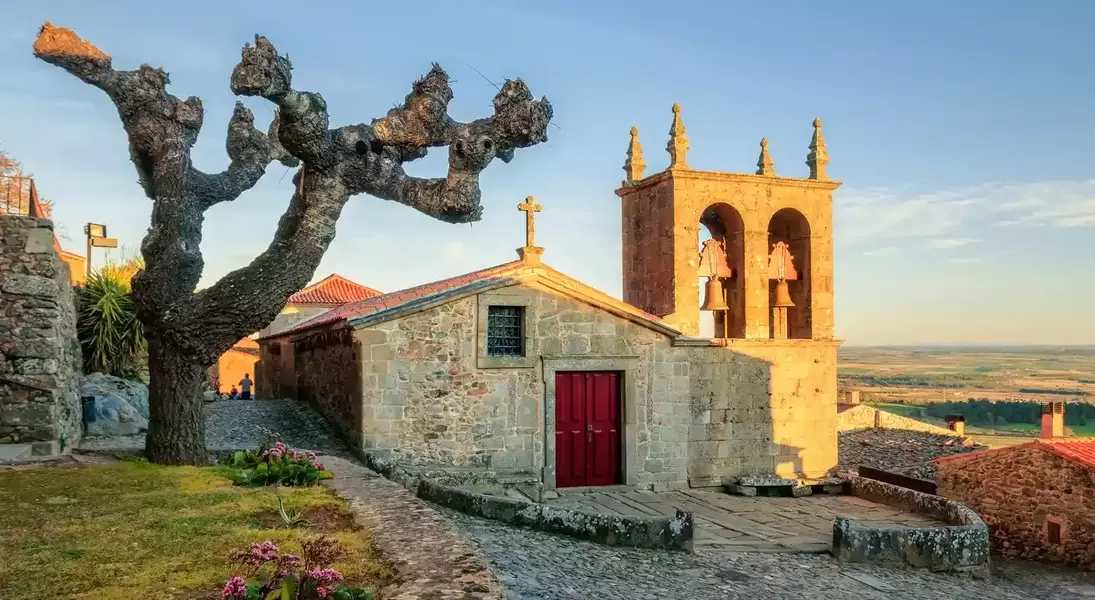
Castelo Rodrigo, Portugal, a serene stone village near the Spanish border, provides breathtaking countryside views. Living costs here are significantly lower than in Lisbon or Porto, and basic healthcare is available in nearby towns. The mild climate is another draw. While somewhat remote, it’s only a two-and-a-half-hour drive from Porto, allowing for occasional city visits and access to specialized medical services. Portugal's D7 visa is particularly attractive, requiring proof of passive income equivalent to just over 1,000 euros per month.
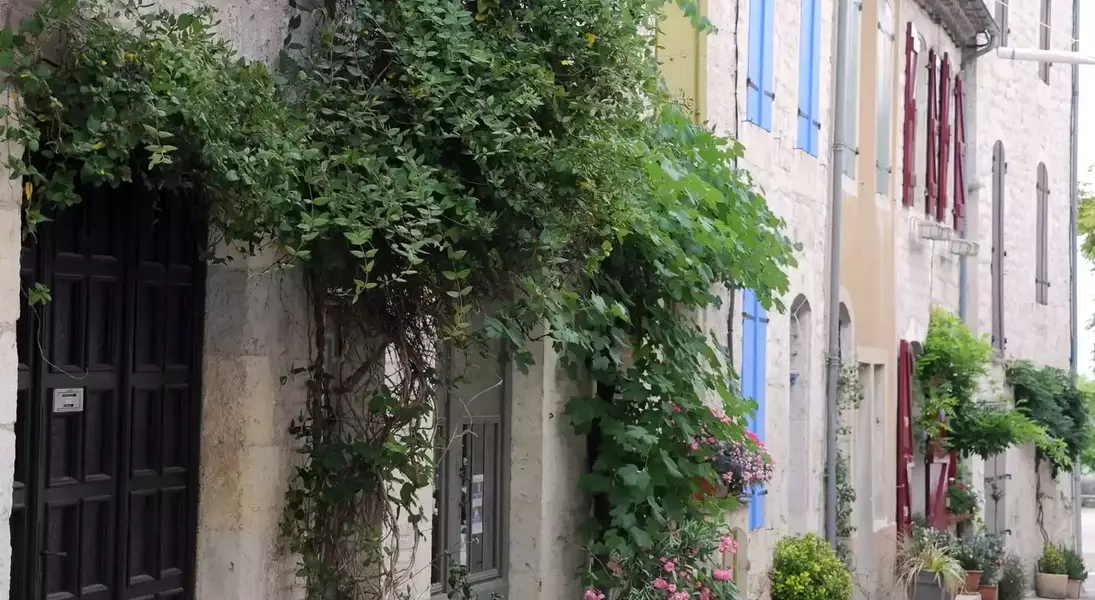
Lauzerte, France, embodies the classic French bastide charm with its stone buildings, central squares, and vibrant food culture. The village is highly walkable, and its regional healthcare system is robust. This area is ideal for retirees who appreciate fresh food markets and local cafes, offering an authentic French lifestyle at an affordable price point.
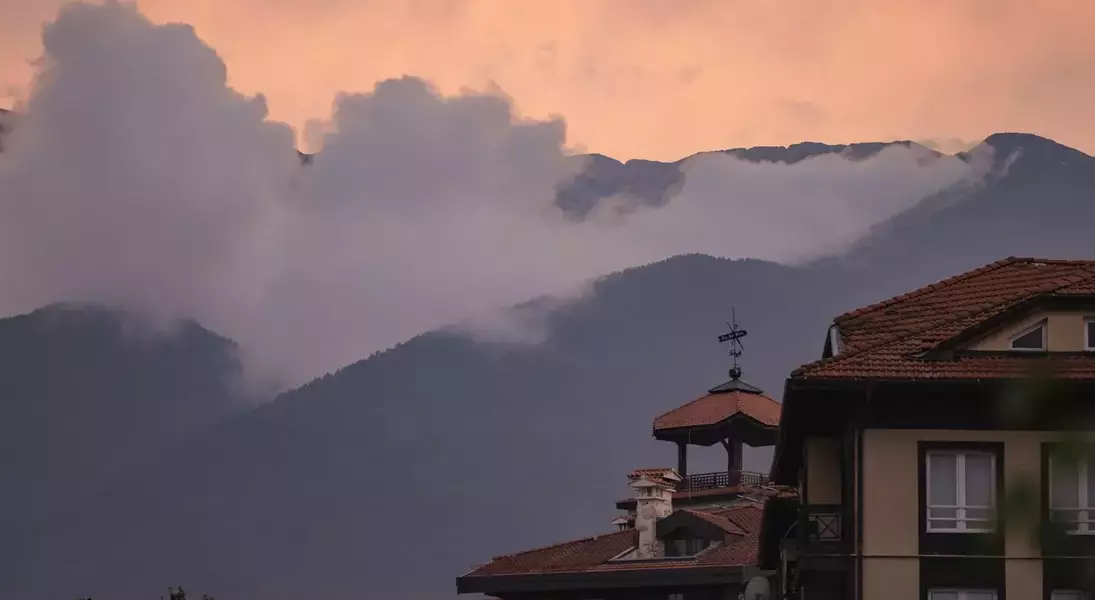
Bansko, Bulgaria, is a mountain town renowned for both winter skiing and summer hiking. It experiences a range of seasonal temperatures, from sub-freezing winters to pleasant 80-degree summers. Housing, groceries, dining, and transportation are all notably affordable. The town also provides free cultural attractions like museums and parks, adding to its appeal for budget-conscious retirees.
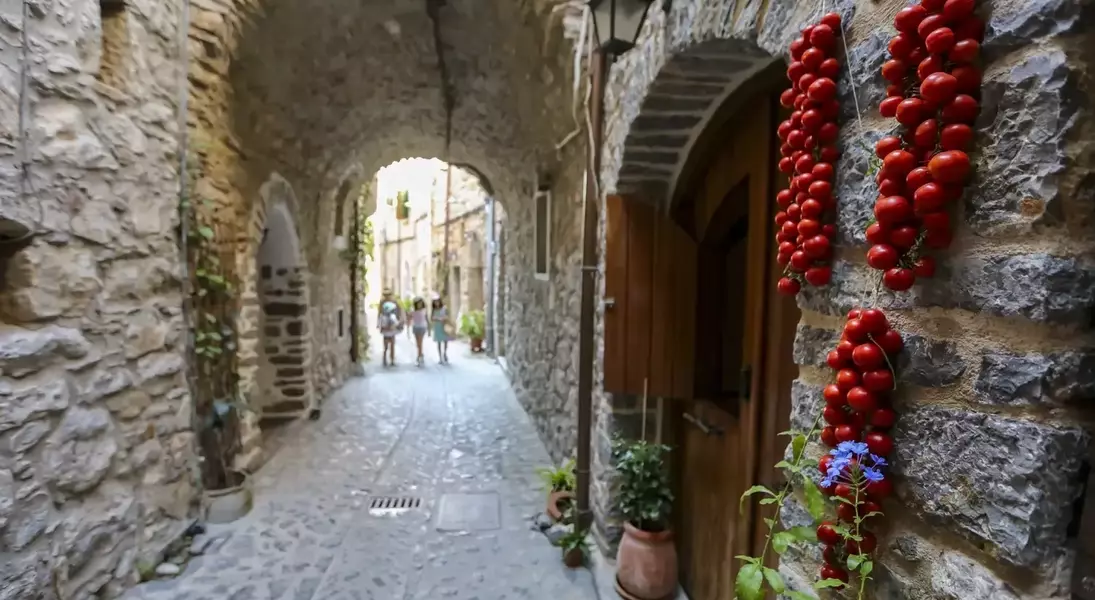
Mesta, on Greece's Chios Island, is a well-preserved medieval village with narrow stone streets and minimal tourism. It is surrounded by ten beaches, offering opportunities for scuba diving and kayaking. The rolling hills provide excellent terrain for hiking and biking amidst orchids, wildflowers, and butterflies. Although summer temperatures can be high, the period from fall to spring is moderate. Daily expenses are low, fostering a simple, community-focused life.
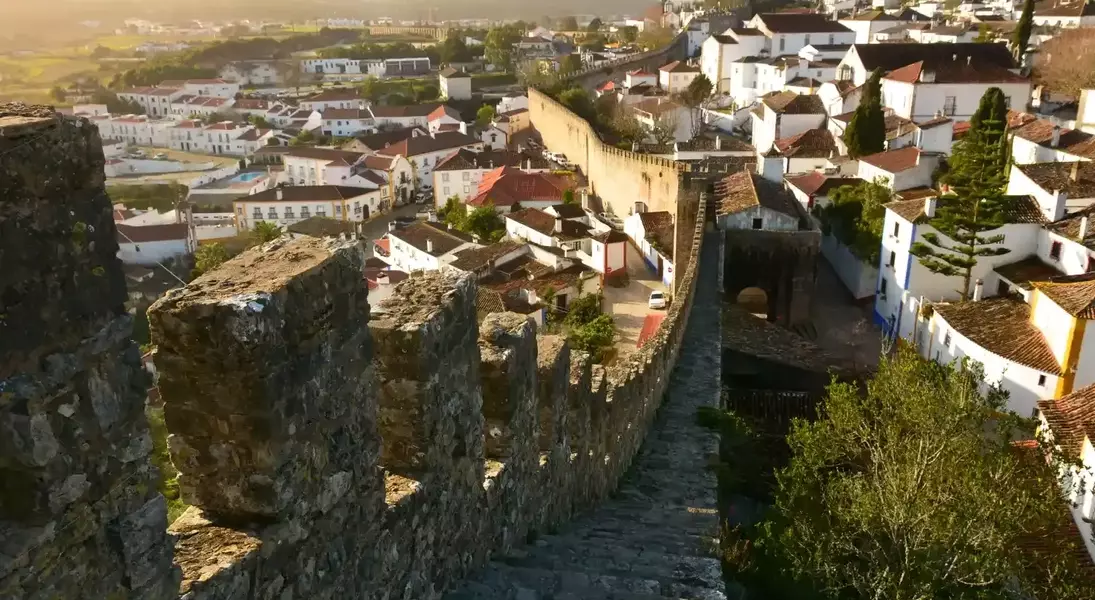
Óbidos, Portugal, is a historic town featuring medieval walls and cobblestone streets, complete with a castle that now operates as a 4-star hotel. Its walkable areas include various shops, restaurants, and bars. Óbidos hosts numerous festivals throughout the year and is a short drive from El Rey Beach, providing golf and ocean views. The town offers village charm while maintaining easy access to Lisbon’s urban healthcare facilities.
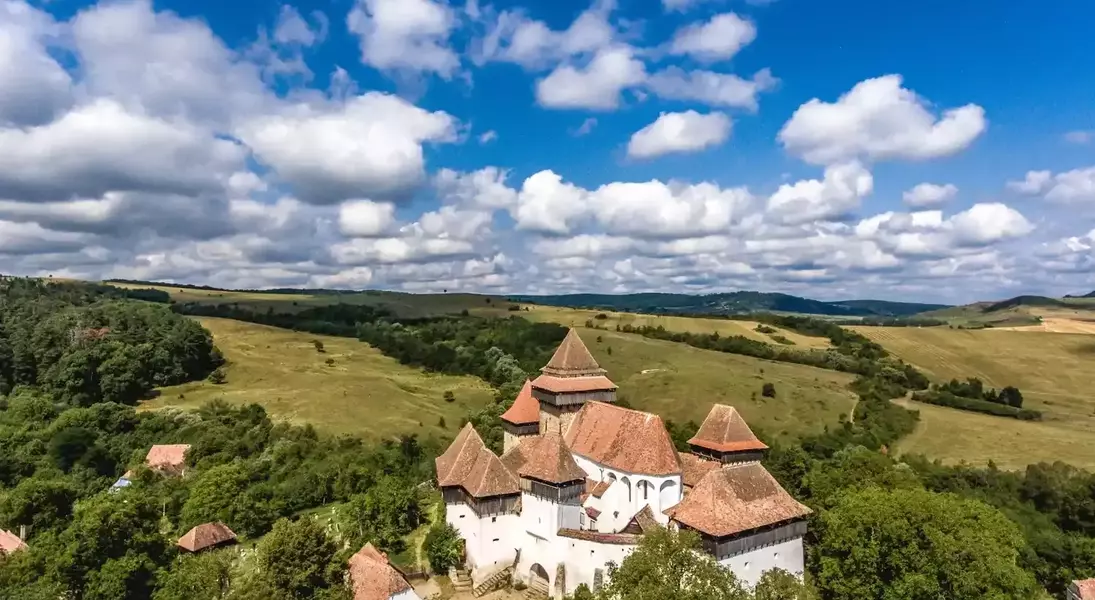
Viscri, Romania, a rural Transylvanian village and UNESCO World Heritage Site, centers around its Saxon Fortified Church, which hosts many cultural and religious events. Food is fresh, often farm-to-table, and cooked over open fires. Cars are restricted, promoting a simple lifestyle of walking, horseback riding, or biking. Living costs are very low, and the pace of life is slow and community-oriented, suiting retirees comfortable with rural settings.
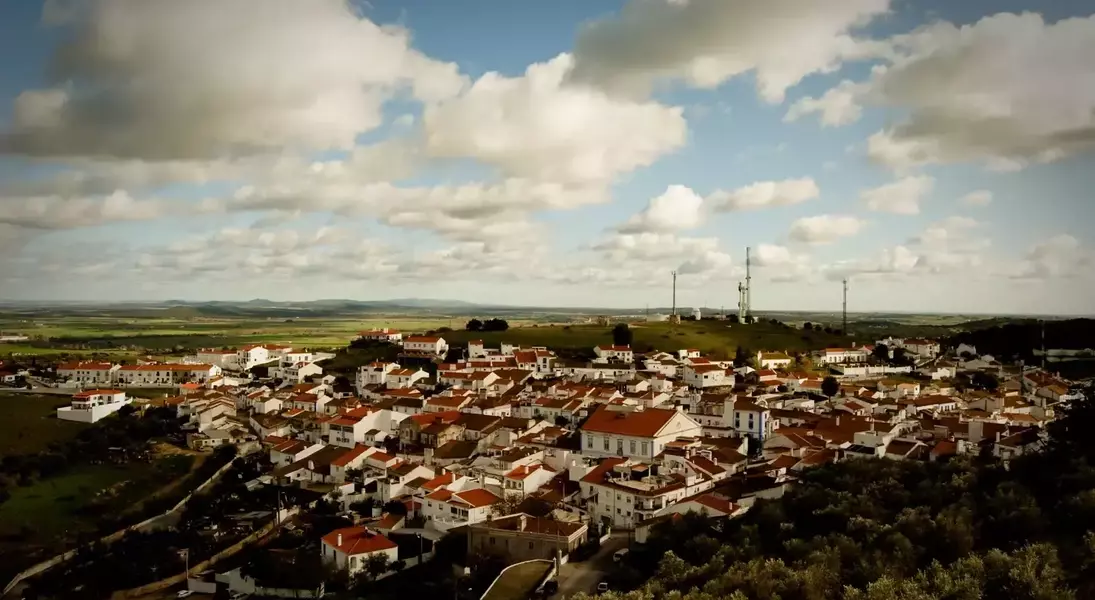
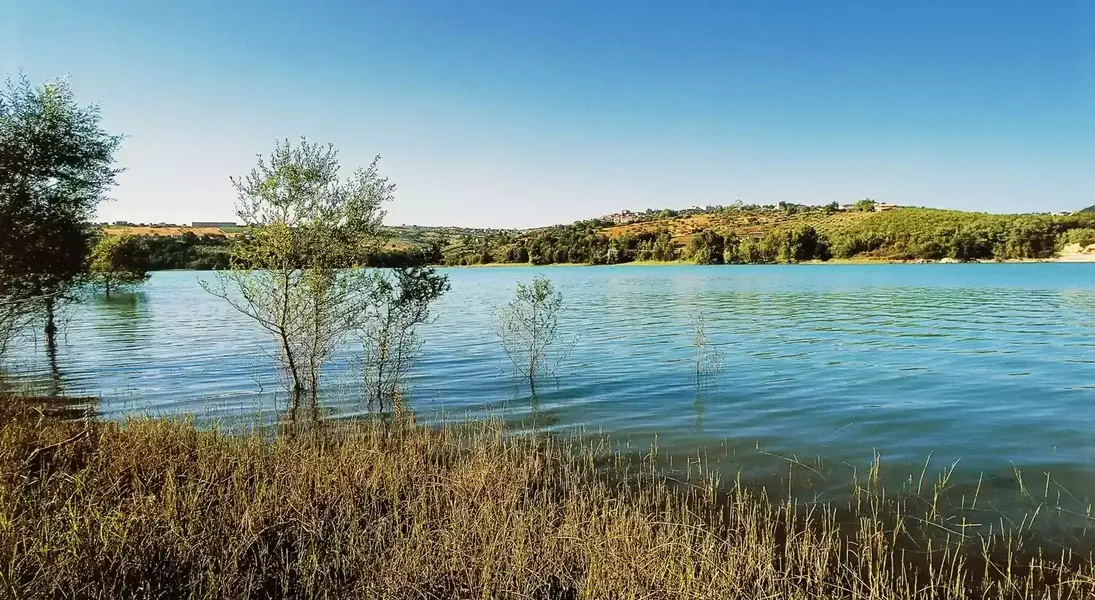
The Alentejo region of Portugal, a few miles from the Spanish border, overlooks the Barragem da Alqueva lakes. This remote area features whitewashed houses and churches set against open countryside. Car restrictions in the villages create a timeless atmosphere. Designated as a dark sky area, it’s perfect for stargazing due to minimal artificial light. Rent and food costs are among Portugal's lowest, and the warm climate supports an active outdoor lifestyle.
These European villages offer a compelling alternative for retirees. The cost of living, particularly housing, is significantly lower than in major cities, often being a fraction of prices in the U.S. Public healthcare systems help to drastically reduce medical expenses. Local markets and efficient transportation further contribute to keeping daily costs down. These quieter, less-traveled destinations promote a more relaxed pace of life and a strong sense of community, catering to those who desire a simpler, more authentic retirement experience.
Choosing to retire in a European village involves several practical considerations. While charming, these locations may present language barriers that can affect integration into the local community. Nightlife and extensive amenities might be limited compared to larger urban centers. Transportation needs can vary; some villages are easily navigable on foot or by bike, while others may necessitate a car. Expats should also research health insurance options tailored to their specific country of residence to ensure comprehensive medical coverage. It is highly advisable to rent a property for a period before committing to a purchase, to ensure the lifestyle truly aligns with one's expectations.
