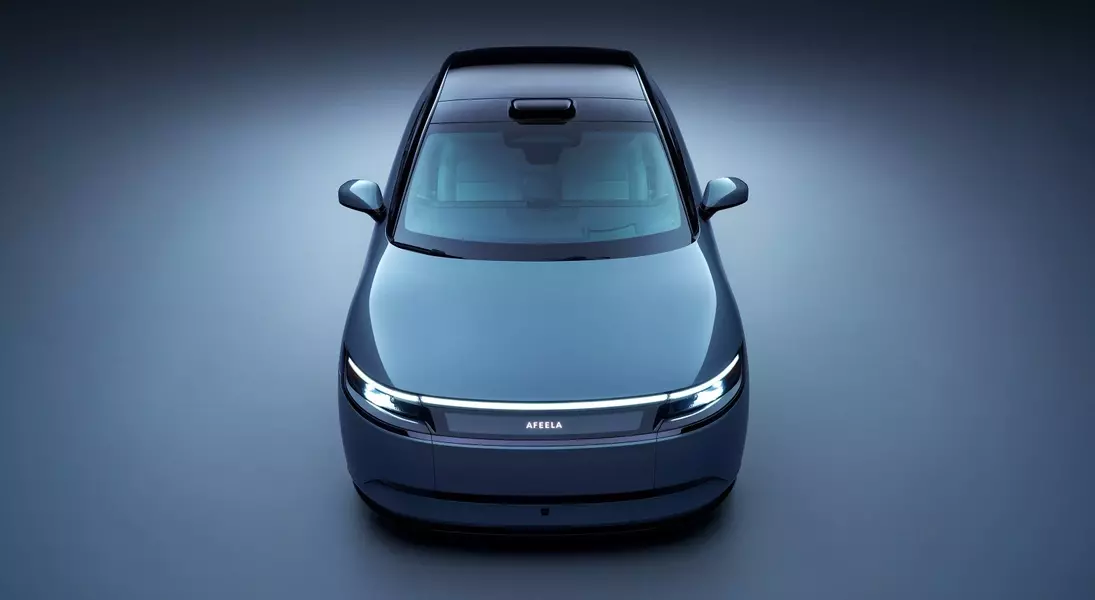
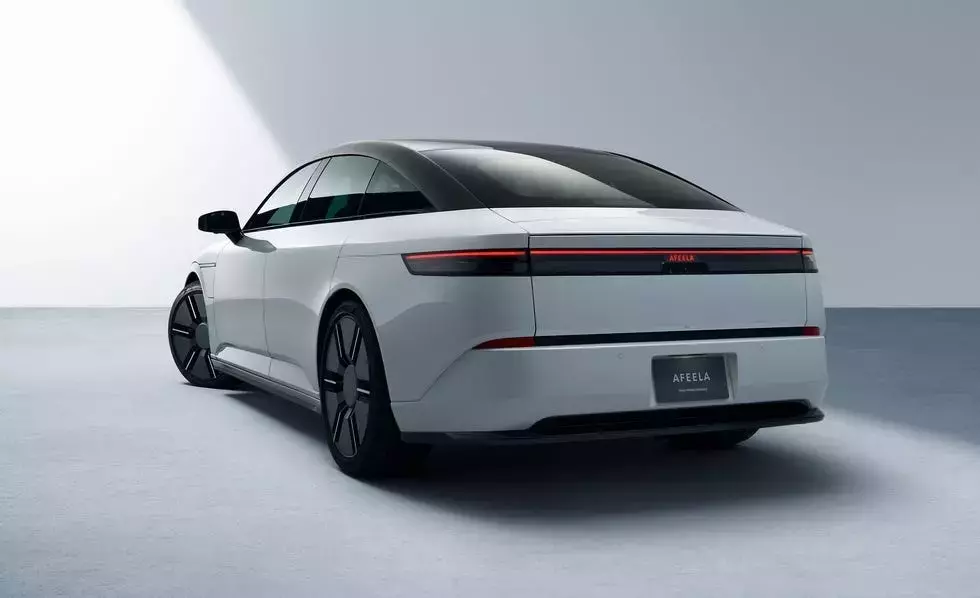
Honda's recent announcement to cease the development of three electric vehicles planned for U.S. production has raised significant questions regarding the future of the Afeela 1 electric sedan. This vehicle, a collaborative effort between Honda and Sony, was scheduled for production commencement this year at a Honda facility in Ohio. The sudden shift in Honda's electric vehicle strategy necessitates re-evaluation discussions between the two parent companies, leaving the Afeela 1's trajectory in a state of uncertainty.
In a surprising move, Honda revealed its intention to discontinue its plans for three U.S.-manufactured electric vehicles. This development has directly impacted the anticipated launch of the Afeela 1, an innovative electric sedan born from the partnership between Honda and Sony. While the Afeela 1 was poised to begin production in Ohio this year, the altered landscape of Honda's EV commitments has introduced unforeseen challenges for the joint venture.
A spokesperson for Sony Honda Mobility confirmed their awareness of Honda Motor's decision regarding its North American EV operations. They stated that both Sony Group Corporation and Honda would engage in discussions to determine the ramifications for Sony Honda Mobility (SHM). Despite the significant implications, the spokesperson affirmed that SHM is currently functioning as usual, albeit with an acknowledged need to address the unfolding situation.
The Afeela 1 was slated for market introduction around mid-year, with pre-production models already having been assembled in Honda's East Liberty, Ohio factory last autumn. Honda had invested substantially over the past two years in retooling its Ohio plants to accommodate EV manufacturing, intending to produce electric, hybrid, and gasoline-powered vehicles on shared assembly lines. This integrated approach aimed for manufacturing flexibility, allowing for adaptation to varying market demands.
Originally, Honda planned to produce three electric vehicles in Ohio: the Acura RSX, set to start production in late 2025 (later revised to late 2026), followed by the 0-Series SUV and 0-Series Saloon. With the cancellation of these plans, the impact on Honda's three Ohio factories remains to be fully determined. The existing infrastructure and completed pre-production phases for the Afeela 1 suggest that its manufacturing might proceed, though potentially with limited volumes as Honda pivots its focus towards its established gasoline and hybrid vehicle lines.
The primary rationale cited by Honda for discontinuing its EV projects was the deceleration in the electric vehicle market, influenced by factors such as relaxed fossil fuel regulations and modifications to EV incentives. These market dynamics, which led to a notable decline in EV sales across numerous brands towards the close of 2025, present a challenging outlook for the Afeela 1. Priced starting at $89,900, with an initial Signature trim at $102,900, the Afeela 1's specifications—approximately 400 horsepower and a 300-mile range—do not offer a distinct competitive edge against rivals like the Lucid Air, which provides greater range at a lower entry price.
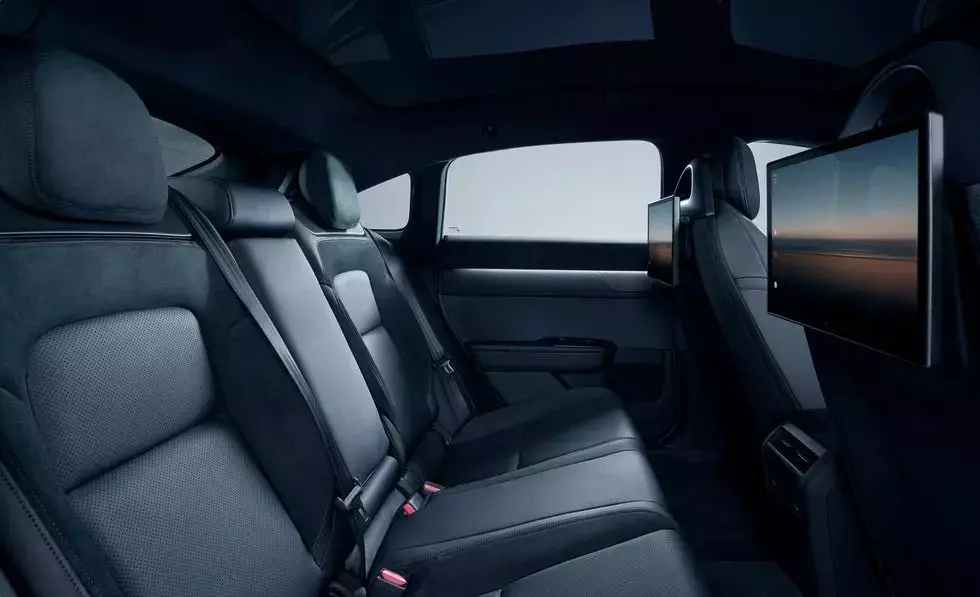
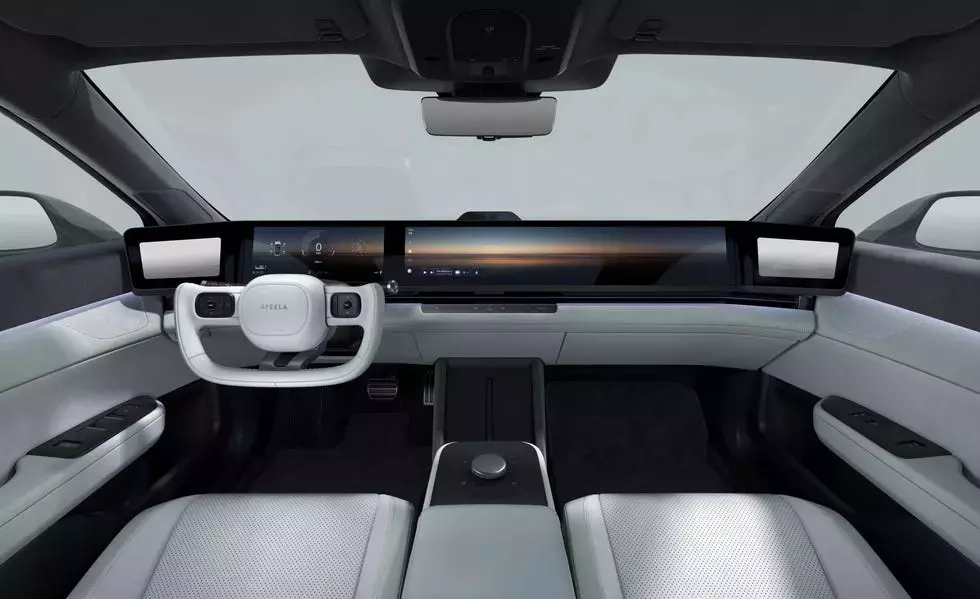
The Afeela's unique selling proposition lies in its advanced driver-assistance systems and a technologically sophisticated cabin, featuring expansive screens for entertainment and gaming. However, it is uncertain whether these features alone will suffice to attract a broad customer base. While the Afeela 1 may still reach production, its journey could be curtailed, possibly becoming a minor chapter in the broader narrative of the electric vehicle industry's evolving landscape.
