
Over 60% of children's daily caloric intake comes from highly processed foods, a reality vividly displayed on school cafeteria trays. These offerings often consist of items like chicken nuggets filled with binders, or 'crispy chicken salads' made from processed patties and unpronounceable dressings. Bread products are laden with emulsifiers for longevity, and fruit yogurts frequently contain more sugar than soft drinks. These are not nutritious meals but rather engineered food products prioritizing shelf life over health, significantly impacting children who consume up to half their daily calories at school.
The Critical Need for Healthier School Meals and How Parents Can Drive Change
The prevalence of ultra-processed foods in school cafeterias is not a reflection of parental negligence but rather a systemic flaw. Lori Nelson, Chief School Food Operations Officer at the Chef Ann Foundation and a veteran in school food service with over 25 years of experience, underscores that school food professionals are deeply committed to providing nourishing meals but are constrained by an antiquated system. Federal reimbursements, which are approximately $4.60 per lunch, must cover not only food costs but also labor, equipment maintenance, utilities, and administrative overhead. Many school kitchens are designed for reheating pre-packaged items, not for preparing fresh, wholesome meals. This infrastructure, coupled with underpaid and undertrained staff, perpetuates a cycle of heat-and-serve options.
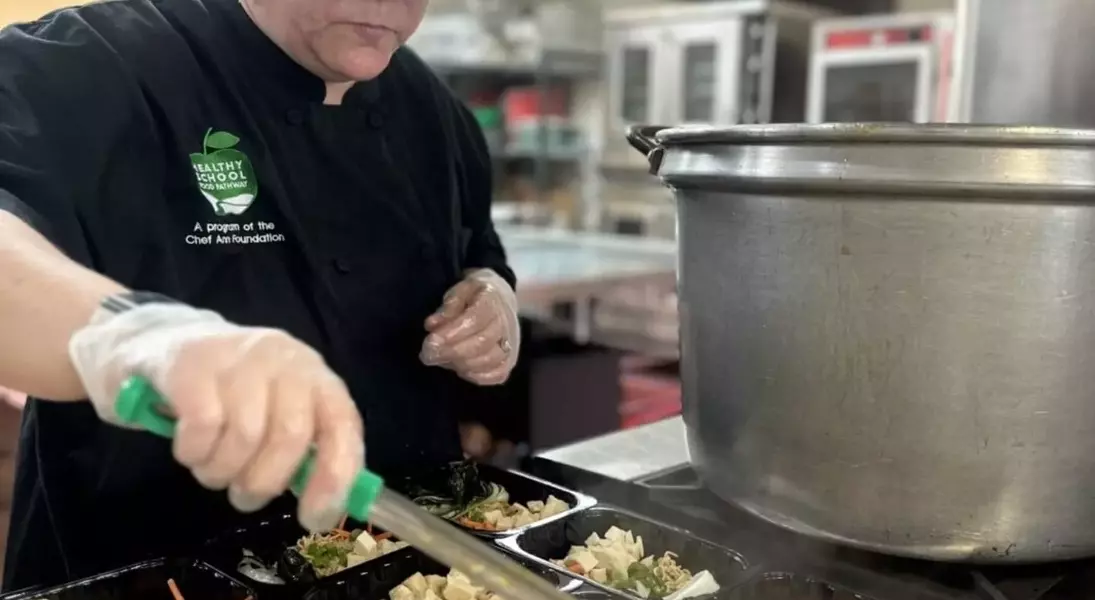
However, a transition to 'scratch cooking' offers a viable solution, as demonstrated by districts achieving remarkable results. In New York's Tompkins County, the Dryden Central School District successfully transformed its menu. They replaced individually wrapped breakfast items with scratch-made French toast casserole and substituted pre-made macaroni and cheese with a version featuring freshly cooked pasta and homemade cheese sauce. Additionally, baked ziti was prepared from scratch using locally sourced New York beef. This commitment to fresh, culinary techniques led to a significant increase in student participation by the end of the 2024–25 school year: a 21.8% rise in breakfast consumption and a 39.1% increase in lunch participation. Such improvements confirm that when appealing and nutritious food is offered, children readily consume it, leading to higher participation and subsequently, increased revenue that further supports scratch cooking initiatives. Lori Nelson herself, during her tenure as a school food director in Texas, exemplified this by serving Pork Tacos Al Pastor, meticulously prepared with slow-roasted pork shoulder, scratch-made marinade, fresh ingredients, and local produce, all within the $4.60 budget.
Addressing the root cause of unhealthy school food requires a multi-faceted approach. While the Dietary Guidelines for Americans now advise against highly processed foods, policy changes have also seen over $1 billion in local food funding cut and significant farm-to-school funding canceled, hindering schools' ability to procure fresh ingredients. Banning food dyes and defining ultra-processed foods are positive steps, but Nelson cautions that without tackling outdated kitchen facilities, inadequate staffing, and low reimbursement rates, the system will remain in a reactive "whack-a-mole" cycle. Parents play a crucial role in this transformation. By engaging constructively with school food service directors, understanding their challenges, and offering support rather than confrontation, parents can foster partnerships that drive meaningful change. Joining wellness committees or PTA groups provides effective platforms for advocating for healthier food options and ensuring that children receive meals prepared with whole, recognizable ingredients.
The movement towards healthier school food is more than just about what children eat; it's about fostering an environment where every child feels valued and cared for. When parents and school administrations collaborate, fueled by a shared vision for nutritious and delicious meals, the impact extends beyond the cafeteria. It teaches children the importance of wholesome eating, supports local economies, and builds a stronger, healthier community. The success stories, like that of Tompkins County, serve as powerful reminders that change is possible and that every child deserves the best possible start to their day through nourishing food.
