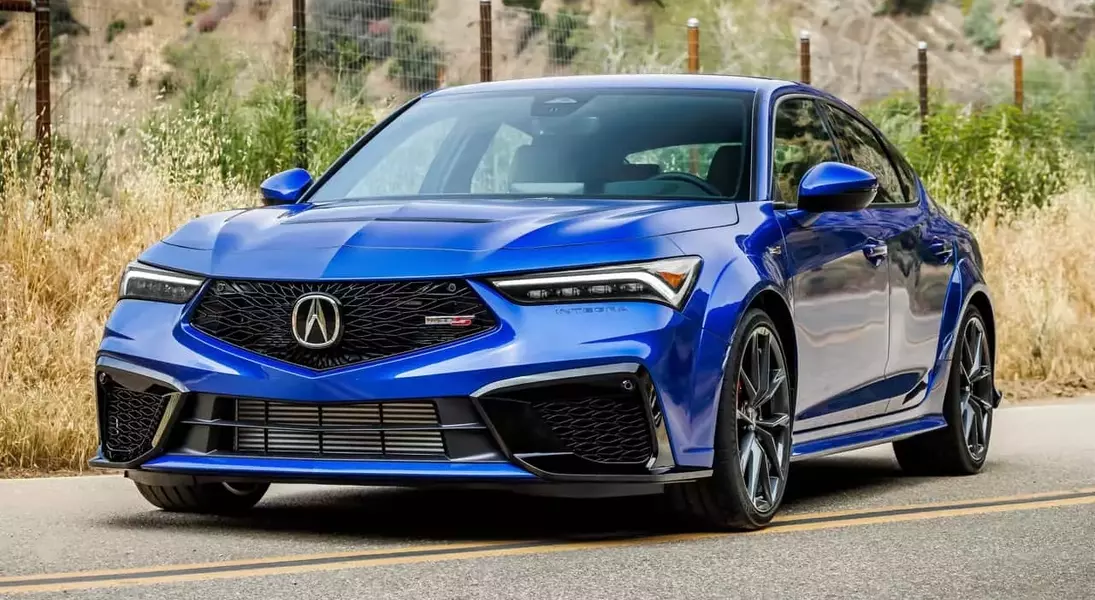
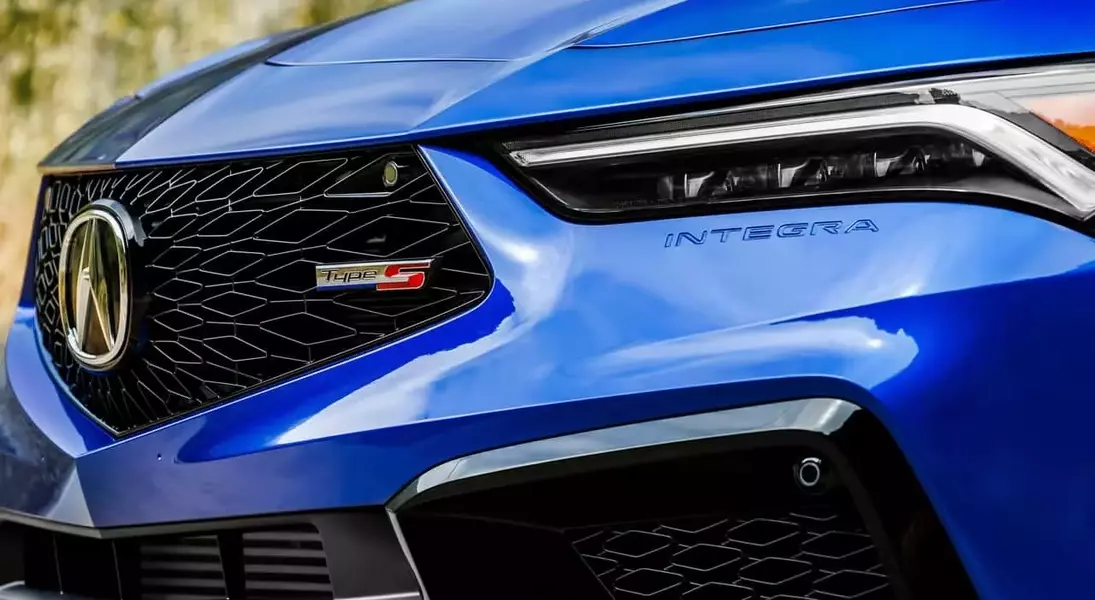
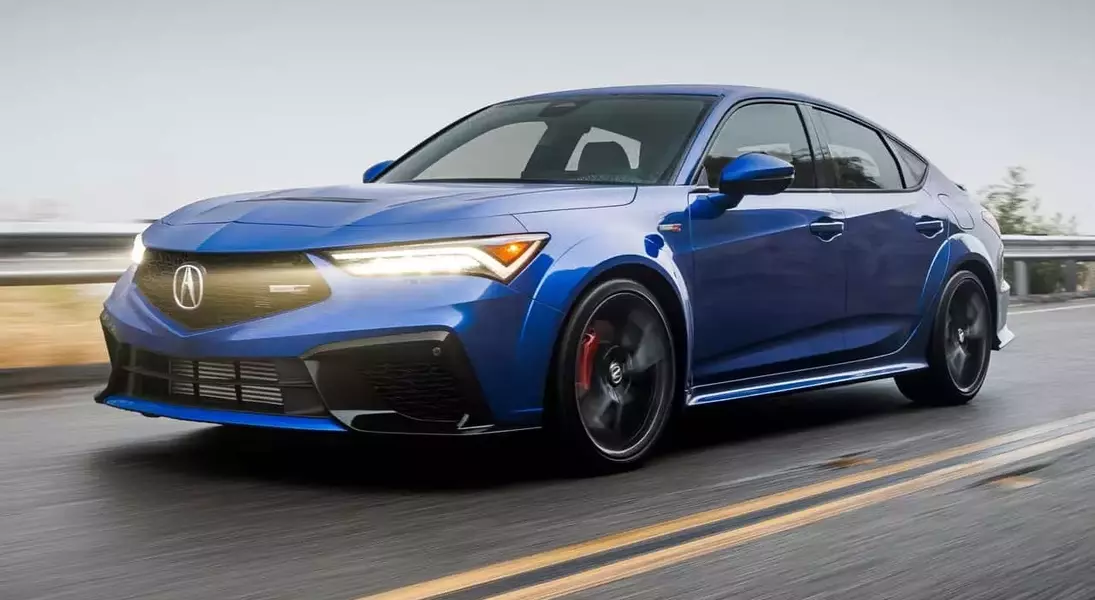
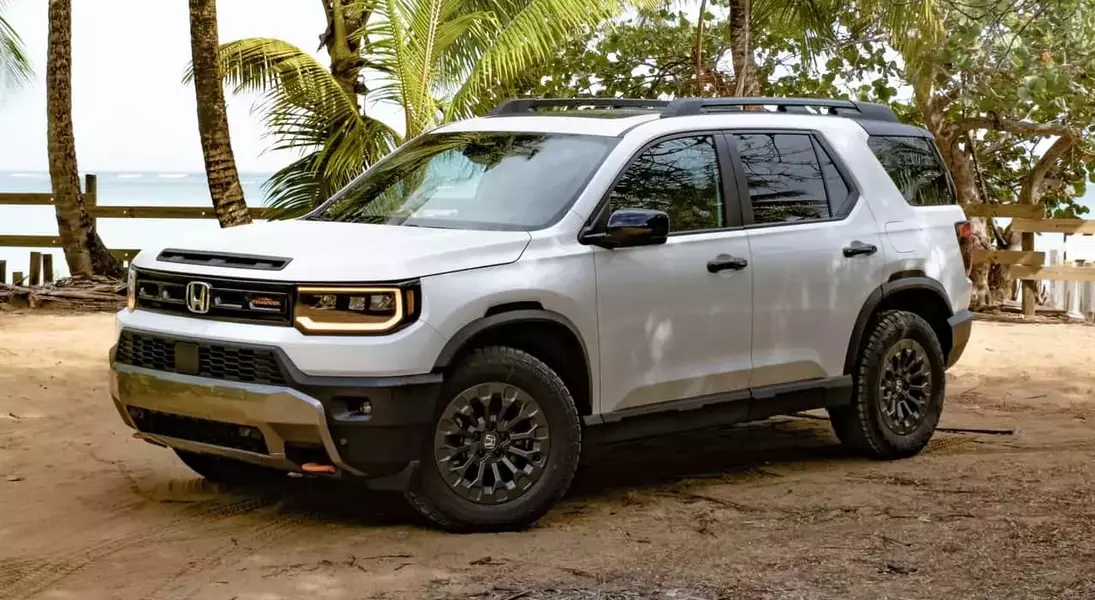
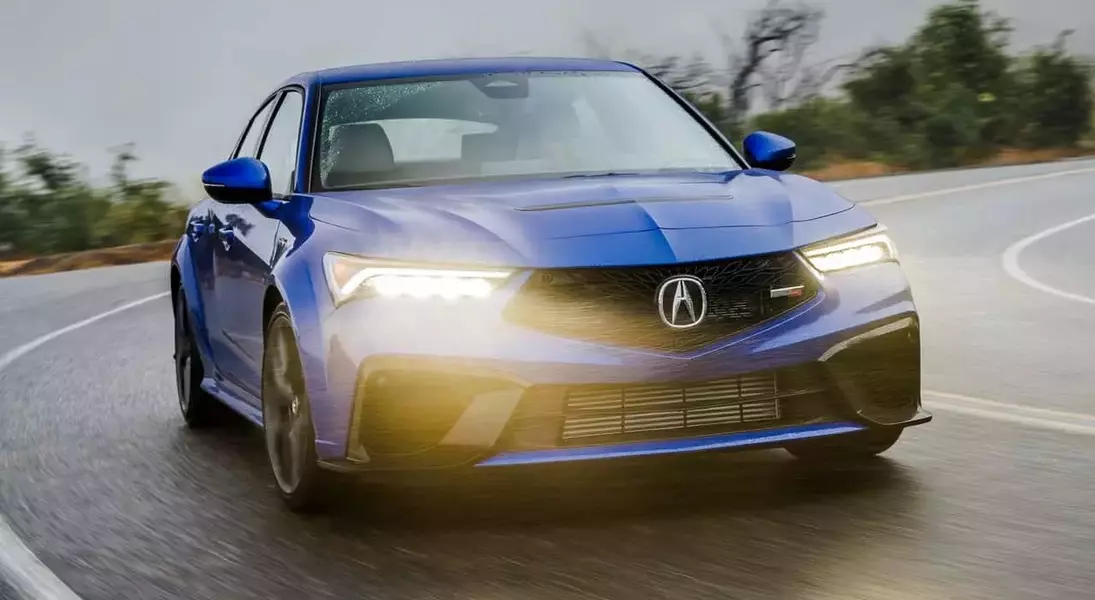
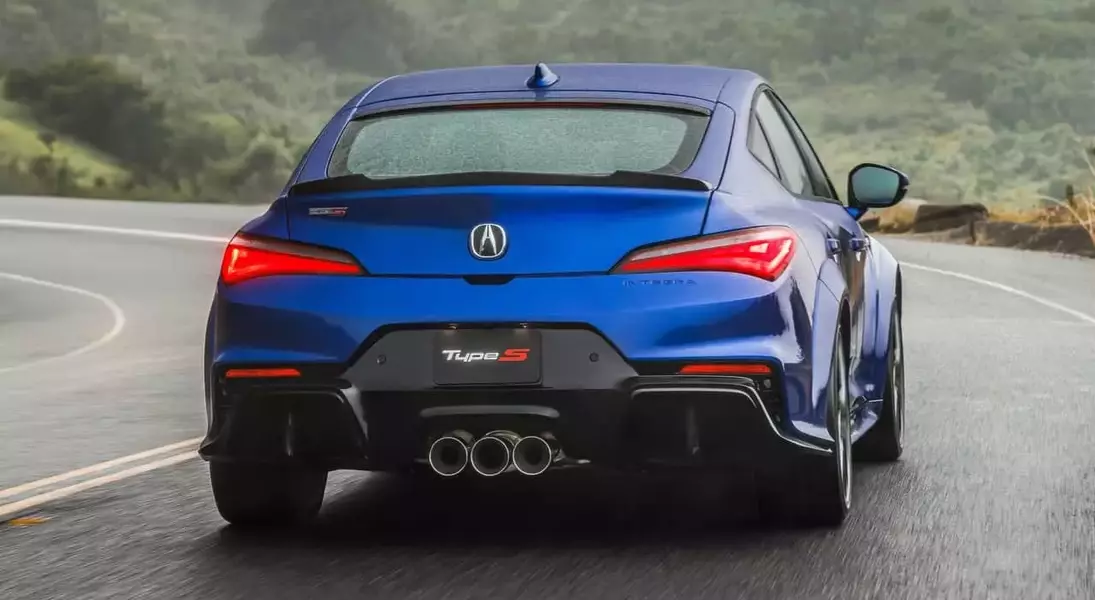
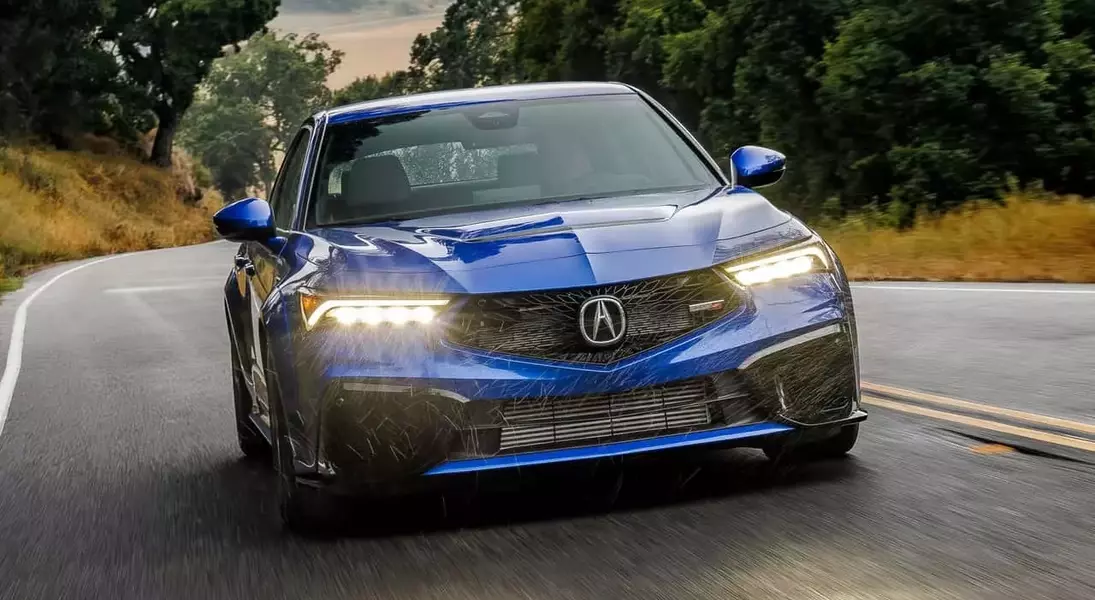
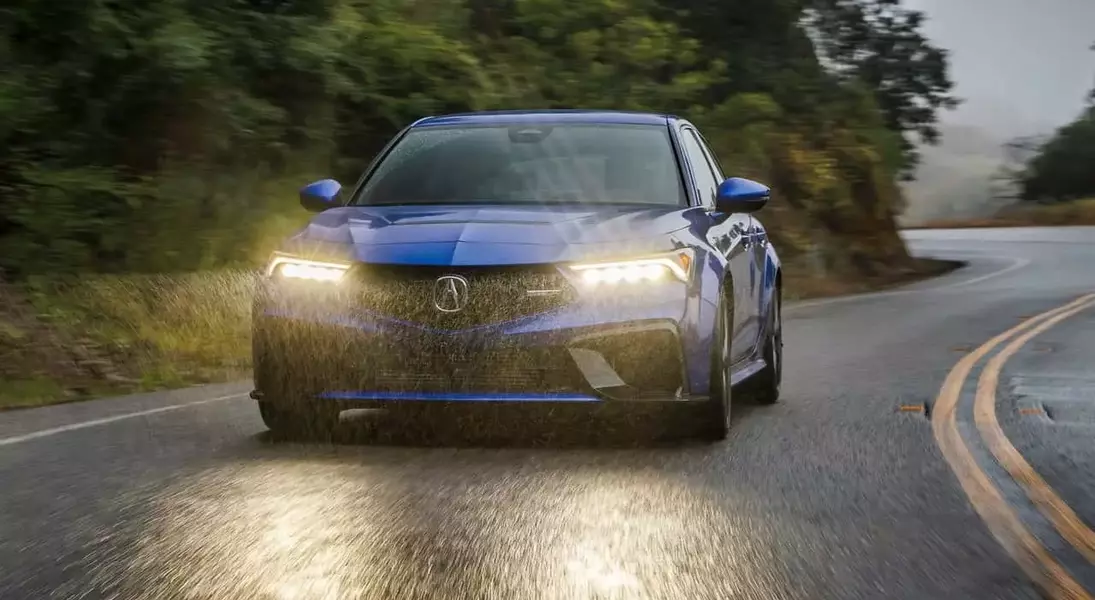
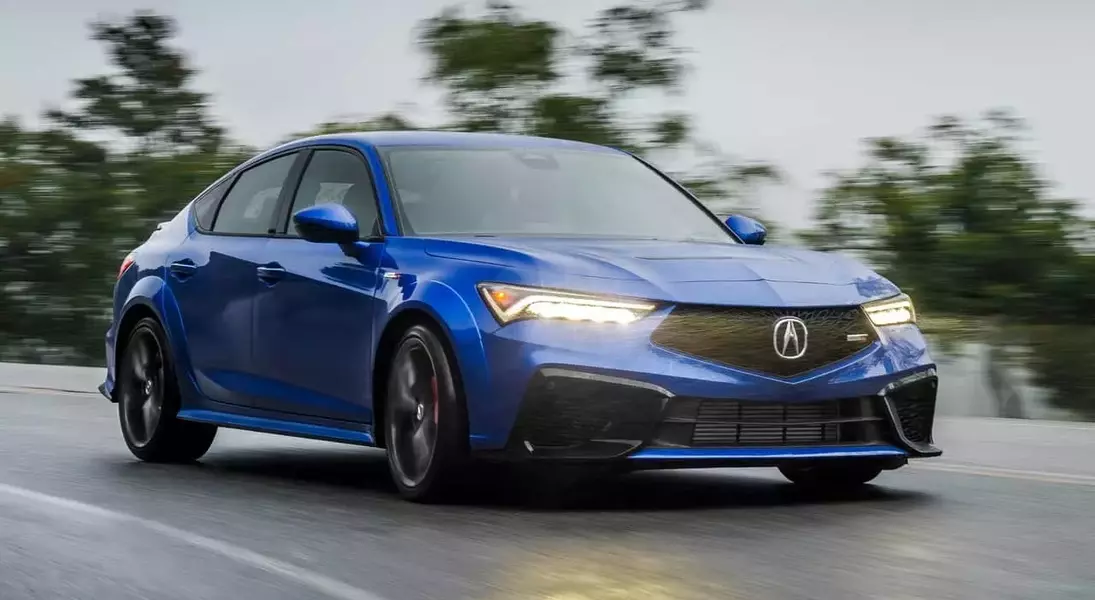
In a notable shift in global automotive trade, two American-manufactured vehicles, the Acura Integra Type S and the Honda Passport TrailSport Elite, are poised to enter the Japanese market. This marks a historic occasion for Acura, as it will be the first time the brand's vehicles are officially sold in its home country. The initiative stems from a trade agreement signed by former US President Donald Trump, opening the door for American-made automobiles to be exported to Japan. Both models, celebrated for their performance and design, are expected to be available to Japanese consumers by the latter half of the year, signifying an important milestone for Honda's international strategy.
American-Made Acura Integra Type S and Honda Passport TrailSport Elite Head to Japan
This year, in a significant development for international automotive commerce, the American-built Acura Integra Type S and the Honda Passport TrailSport Elite are set to make their debut in Japan. This venture follows a pivotal trade agreement between the United States and Japan, which has created new avenues for American-manufactured vehicles in the Japanese market. Both models were prominently featured at the 2020 Tokyo Auto Salon, generating considerable anticipation among car enthusiasts.
For Acura, a division of Honda, this represents a landmark event, as it will be the very first time an Acura-branded vehicle is offered for sale in Japan, coinciding with the brand's 40th anniversary. Established in 1986, Acura was initially conceived to cater predominantly to the North American and Canadian markets. The Integra, along with its powerful K20C engine, is meticulously crafted in Ohio, a testament to American manufacturing capabilities. Similarly, the Honda Passport, including its robust 3.5-liter V6 engine, is produced in Alabama. The TrailSport Elite trim, a high-end variant, comes with an approximate starting price of $55,000, showcasing premium American engineering.
Jun Jayaraman, Senior Vice President of the Manufacturing Management Center at Honda of America, expressed immense pride in this new chapter. He highlighted Honda's unwavering confidence in its American manufacturing workforce and reiterated the company's commitment to delivering high-quality vehicles, produced by its Alabama associates, to customers in Japan. This reciprocal trade highlights the global integration of the automotive industry and the growing appreciation for vehicles built across different continents. In terms of market performance, Acura sold 20,178 Integra units in the US in 2025, while Honda's Passport sales reached 55,231 units last year, indicating a strong market presence for these models prior to their Japanese introduction.
The introduction of American-made Acura and Honda models to Japan represents more than just a commercial transaction; it symbolizes a deepening of economic ties and a mutual recognition of automotive manufacturing excellence. While the initial impact on sales might be modest, considering only specific trims are being exported, this move could pave the way for a broader exchange of automotive products and technologies. It encourages manufacturers to diversify their production bases and cater to global tastes, ultimately fostering innovation and healthy competition in the worldwide car market. This step challenges conventional notions of national automotive identities and celebrates the universality of engineering prowess and design appeal.
