

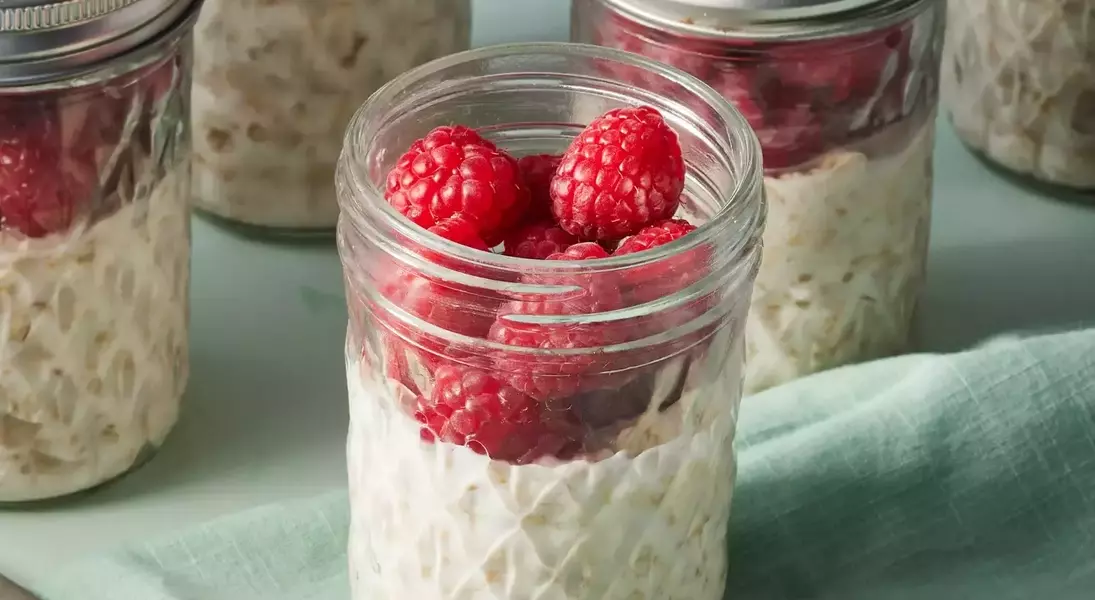



A well-balanced diet rich in fiber is fundamental for maintaining overall health, contributing to benefits such as healthy digestion, improved cardiovascular function, and stable blood sugar levels. Despite these clear advantages, a significant portion of the population struggles to meet the recommended daily fiber intake. This guide demonstrates practical strategies for incorporating sufficient fiber into your daily meals through a variety of natural food sources, emphasizing the ease with which these nutritional goals can be achieved.
Achieving your daily fiber targets is more straightforward than often perceived, largely by focusing on whole, unprocessed foods. This approach not only boosts fiber consumption but also ensures a wider spectrum of essential nutrients. By integrating whole grains, diverse fruits, an abundance of vegetables, and protein-rich legumes and nuts into every meal and snack, individuals can significantly enhance their dietary fiber intake, supporting digestive regularity, satiety, and long-term well-being.
Strategizing Daily Fiber Consumption
Integrating adequate fiber into your diet starts with understanding daily needs and planning meals accordingly. The general recommendation for daily fiber intake is 25 grams for women and 38 grams for men, although individual requirements may vary. Achieving these targets can seem daunting but is easily attainable with mindful food choices throughout the day. This section outlines a sample daily meal plan designed by dietitians, offering practical examples for breakfast, snacks, and lunch to ensure a steady supply of fiber, contributing to digestive health and sustained energy levels.
Breakfast serves as an ideal opportunity to kickstart your fiber intake, aiding digestion and promoting fullness that can prevent overeating later in the day. Options like high-fiber overnight oats are excellent choices, providing a substantial fiber boost. For mid-morning and afternoon, simple, nutrient-dense snacks such as chocolate-dipped frozen banana bites or cottage cheese with added fibrous ingredients can effectively bridge the gap between meals. Lunch should continue this focus, combining protein and fiber to maintain energy and satiety, as exemplified by a chickpea and quinoa bowl. Each meal and snack is strategically designed to contribute significant fiber, making the daily goal manageable and enjoyable. By prioritizing whole foods and planning ahead, meeting daily fiber needs becomes an integral and effortless part of a healthy eating pattern.
Optimizing Fiber Intake Through Food Choices
Beyond structured meal plans, adopting consistent eating habits that prioritize fiber-rich foods is key to optimizing your daily intake. This involves simple yet impactful dietary adjustments, such as favoring whole grains over refined alternatives. Whole grains like oats and brown rice retain more natural fiber compared to their processed counterparts, contributing significantly to your daily fiber goals. Incorporating a vibrant array of fruits and vegetables into every meal not only enhances fiber content but also provides a wealth of essential vitamins, minerals, and antioxidants crucial for overall health and gut microbiome diversity.
Practical strategies for boosting fiber include adding ample vegetables to both lunch and dinner, aiming for 1.5 to 2 cups per meal. This not only increases fiber but also supports a healthy gut, which thrives on a diverse plant-based diet. Additionally, choosing naturally fibrous snacks like nuts, seeds, and legumes offers both fiber and other vital nutrients, making them perfect on-the-go options. It's important to rely on whole food sources for fiber rather than solely on supplements, as the former delivers a full spectrum of benefits that isolated or purified fibers may not provide. This holistic approach ensures comprehensive nutritional support and sustained well-being.
