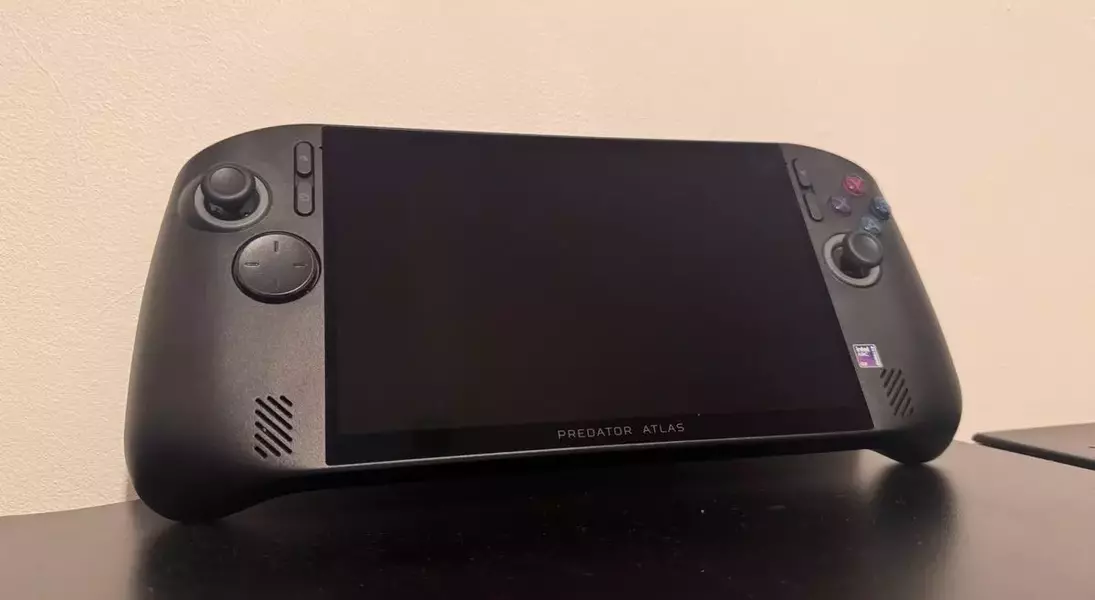
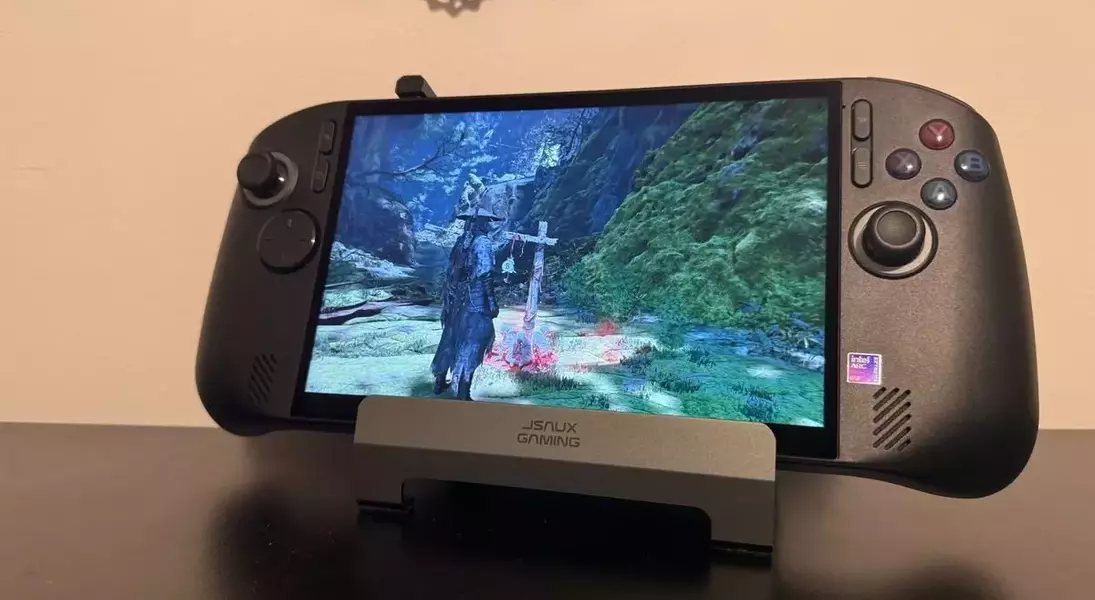
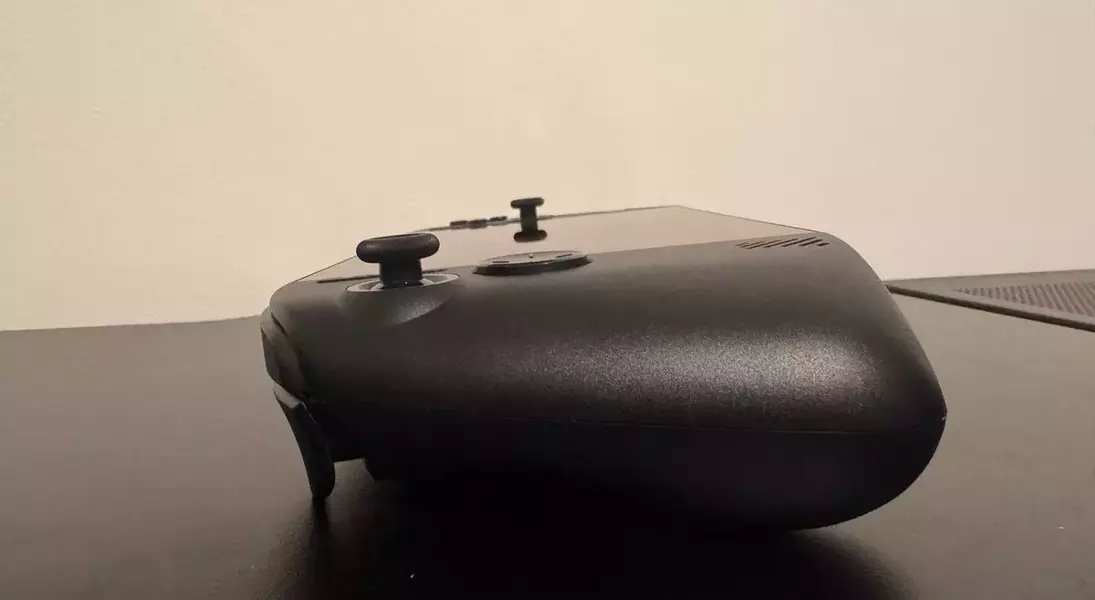
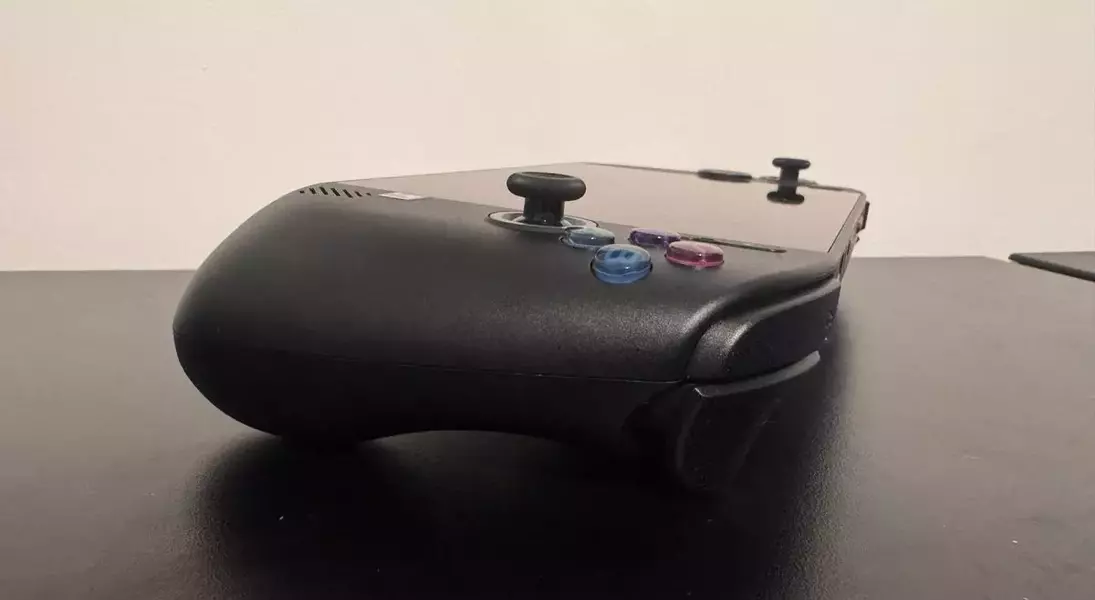
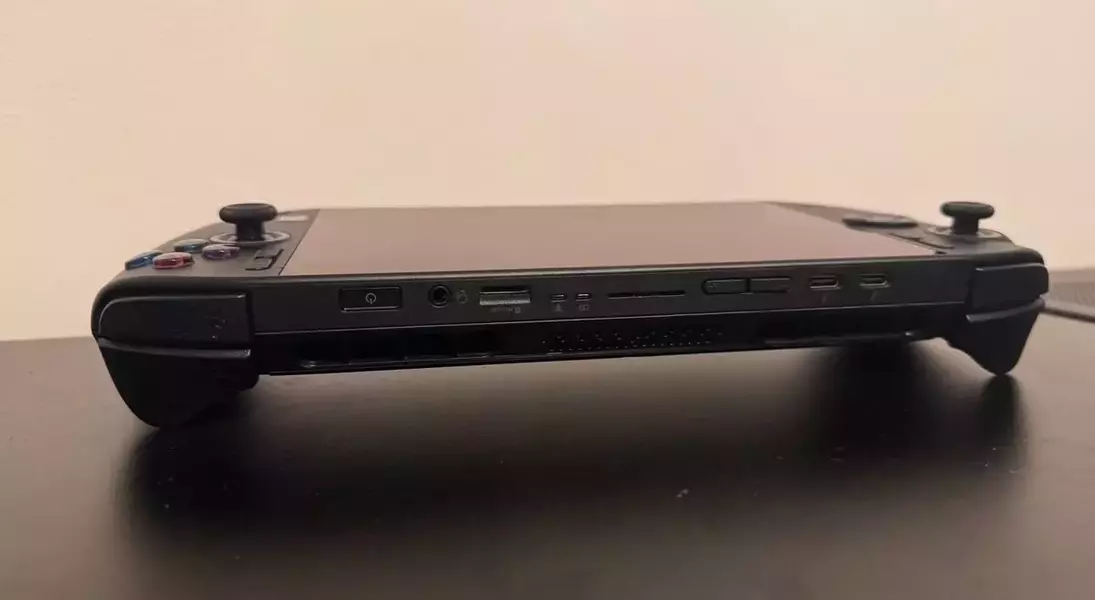
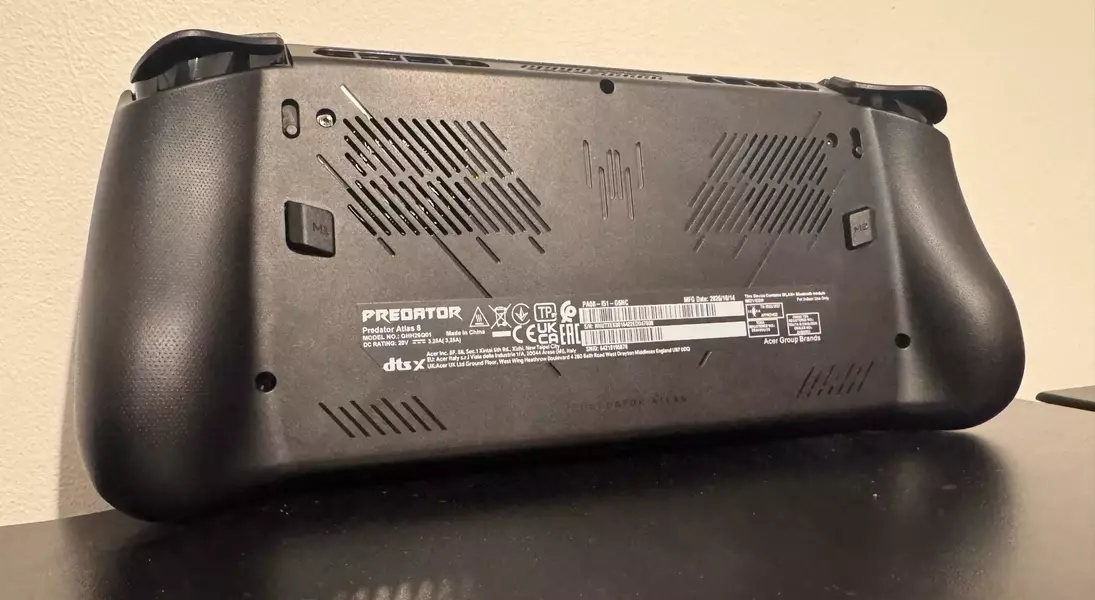
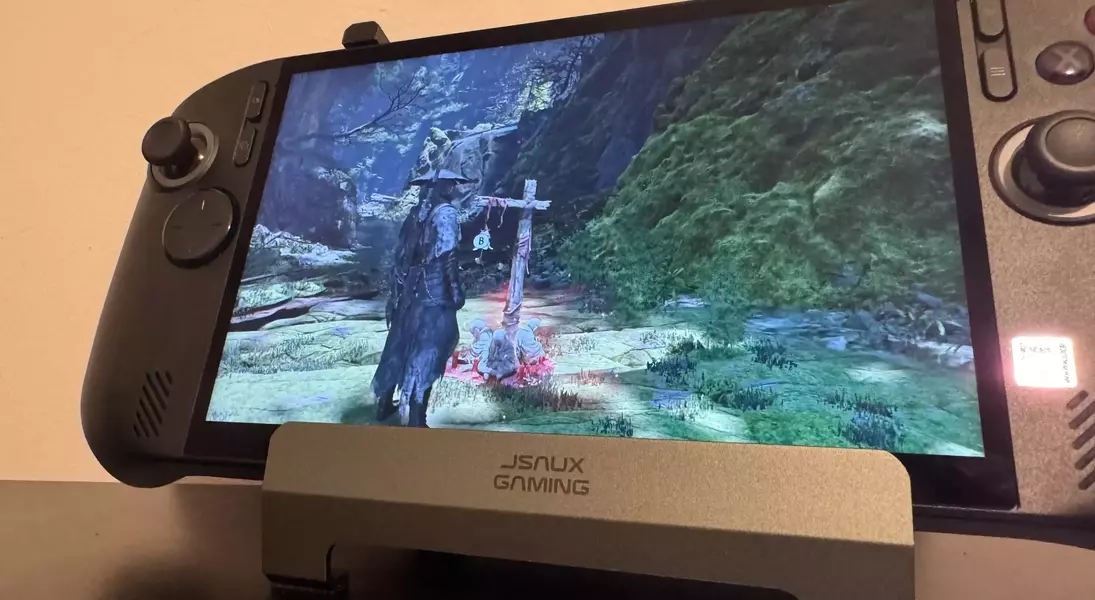
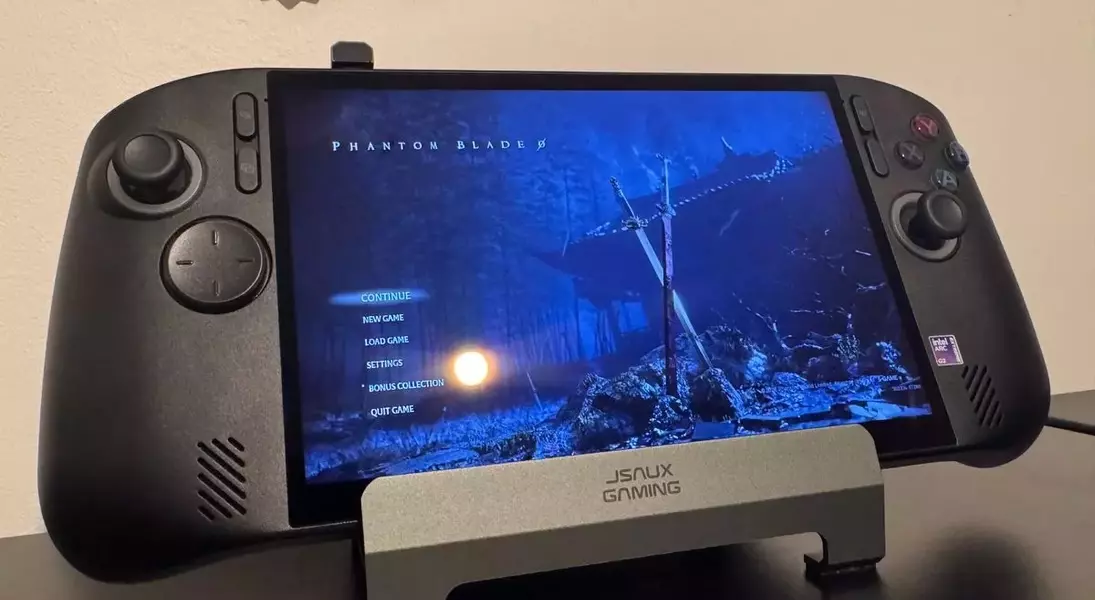
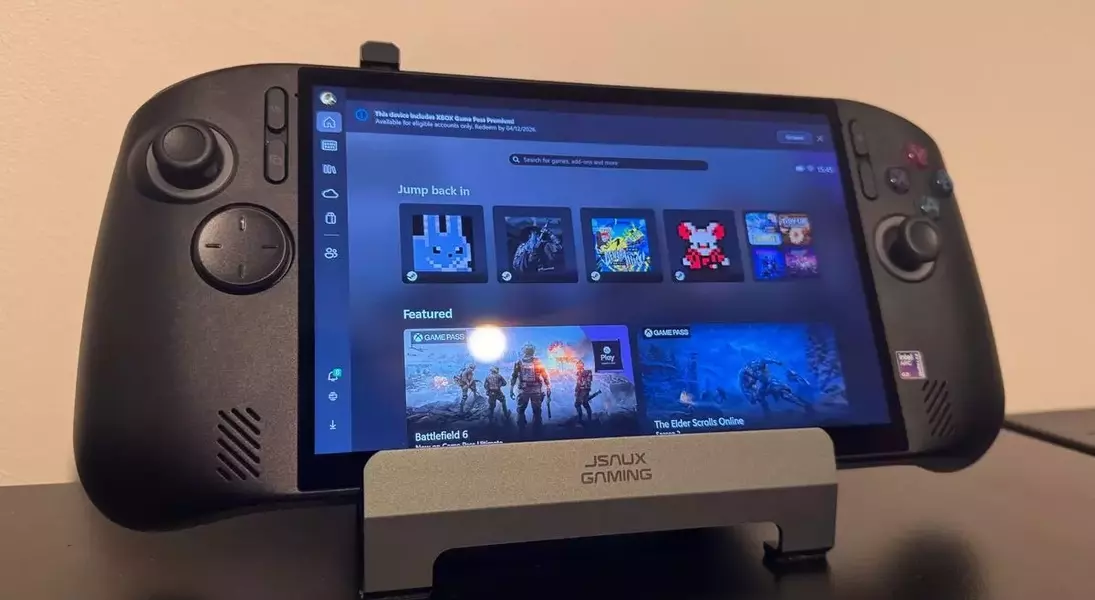
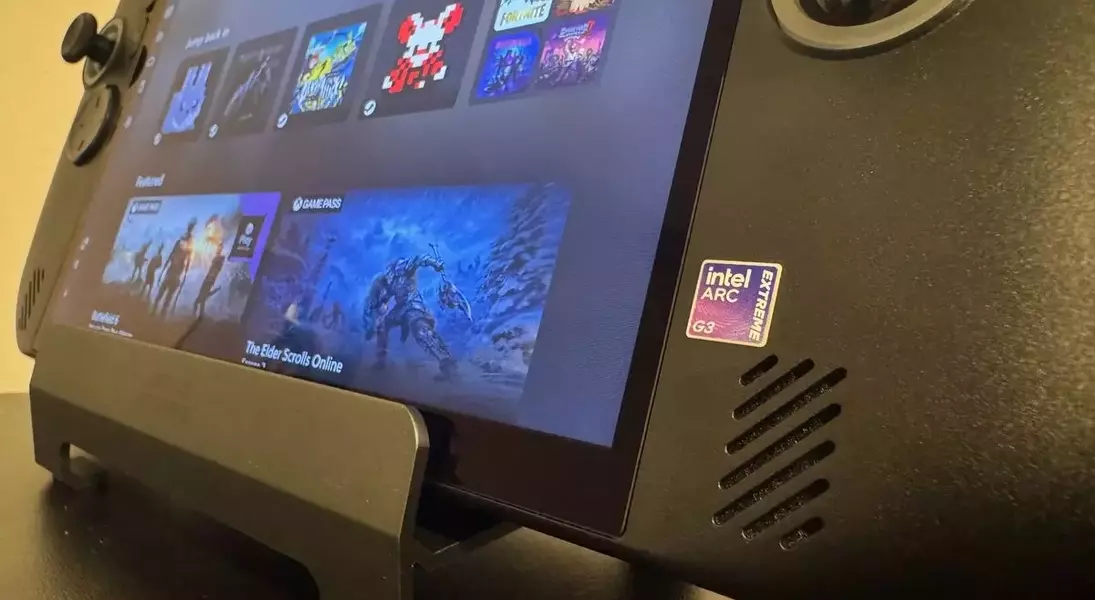
The Acer Predator Atlas 8 stands out as a highly attractive portable gaming device, primarily due to its integration of Intel's powerful G3 Extreme processor at a remarkably competitive price. While it does involve certain trade-offs, such as a reduced storage capacity in the American market, the device excels in delivering solid gaming performance, precise controls, efficient thermal management, and a respectable battery life. These attributes position it as a formidable contender against other high-end handhelds, offering an exceptional performance-to-cost ratio for budget-conscious gamers.
Equipped with Intel's G3 Extreme, the Atlas 8 promises a superior gaming experience. This advanced chip significantly outperforms its predecessors, with performance gains ranging from 30% to 50%, and even doubling frame rates in demanding titles like Metro Exodus. Such improvements are particularly evident in games like Black Myth: Wukong, which transitions from barely playable on older chips to a smooth experience on the G3 Extreme. The device's impressive feature set extends beyond its processor, incorporating TMR Sticks for enhanced battery efficiency and precise controls, alongside Hall effect triggers that offer customizable micro switches or full travel modes, catering to diverse gaming preferences.
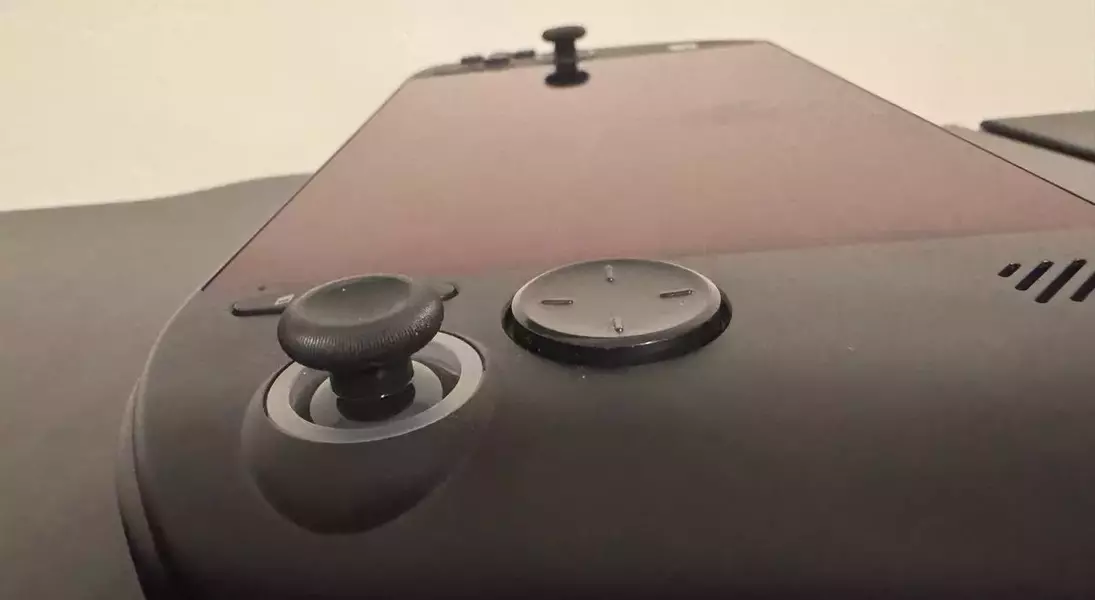
However, the Atlas 8 is not without its imperfections. Weighing 860 grams, it can feel substantial during extended play sessions, though its balanced design helps mitigate this. A notable drawback is the D-pad, which is described as 'mushy' and imprecise, making it less ideal for fighting games or platformers where accurate directional input is crucial. In such cases, switching to the thumbstick is recommended for a more satisfying experience. Despite this, the overall build quality is robust, featuring well-placed, responsive buttons and a generally premium feel, even if the triggers produce a slightly hollow sound.
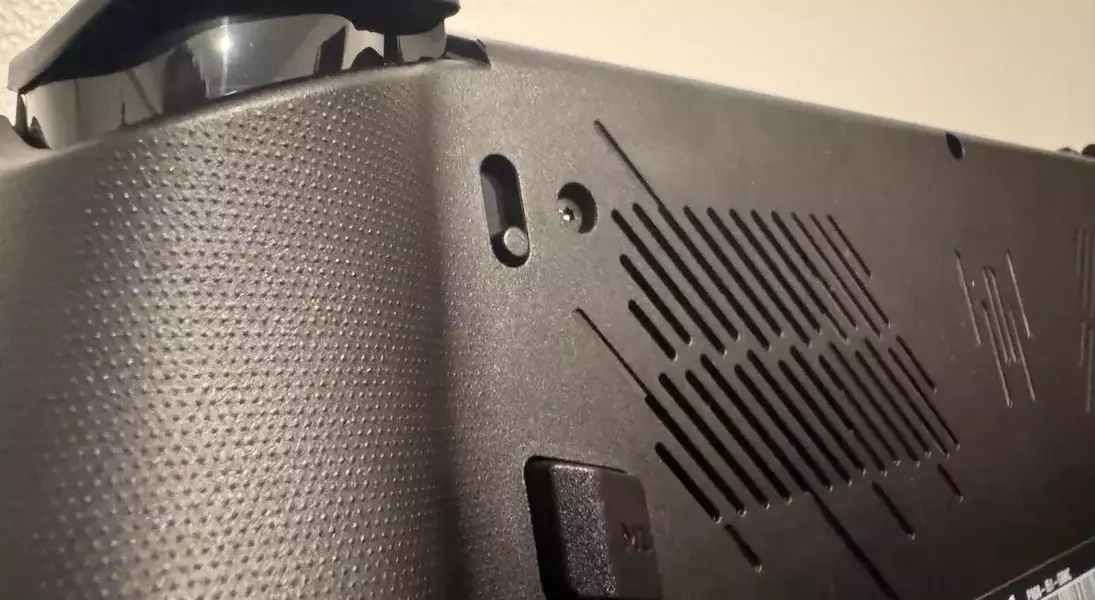
The audio experience on the Atlas 8 is noteworthy, with powerful speakers located on the bottom left and right of the screen, providing an immersive soundstage. While the sound quality might not be audiophile-grade, occasionally producing a 'tinny' effect with sharp sounds, it is more than adequate for a handheld device. Thermal management is another strong suit, thanks to Acer's custom Predator AeroBlade cooling system. This innovative design ensures that despite high internal temperatures, external surfaces remain cool to the touch, directing heat upwards away from the user's hands. Fan noise, while present, remains within acceptable limits, averaging 28-35 decibels during intense gaming and peaking at around 40 decibels, making it considerably quieter than some competitors.
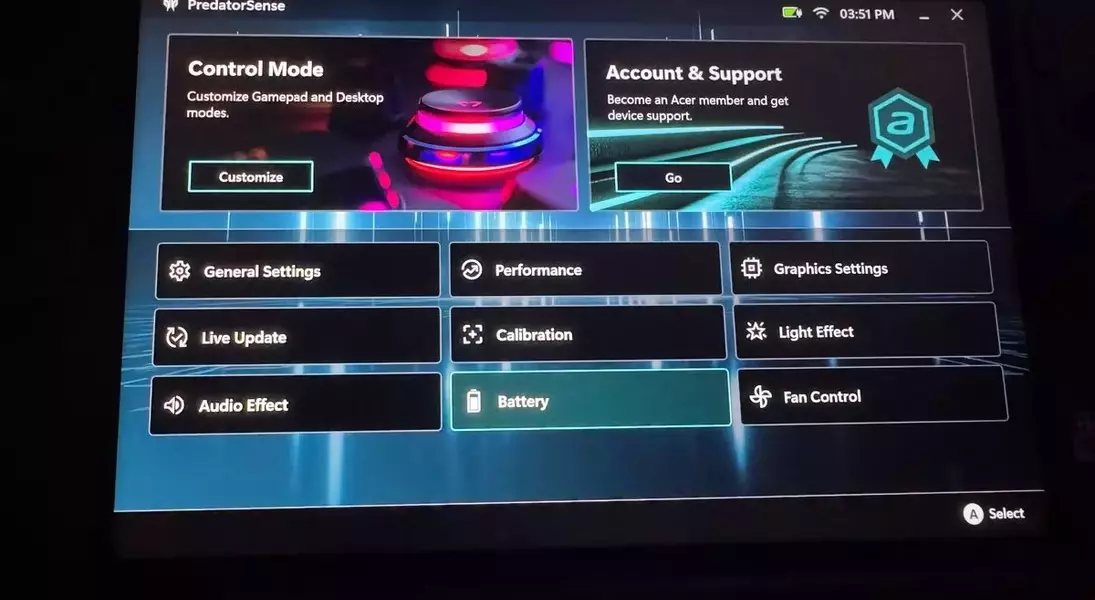
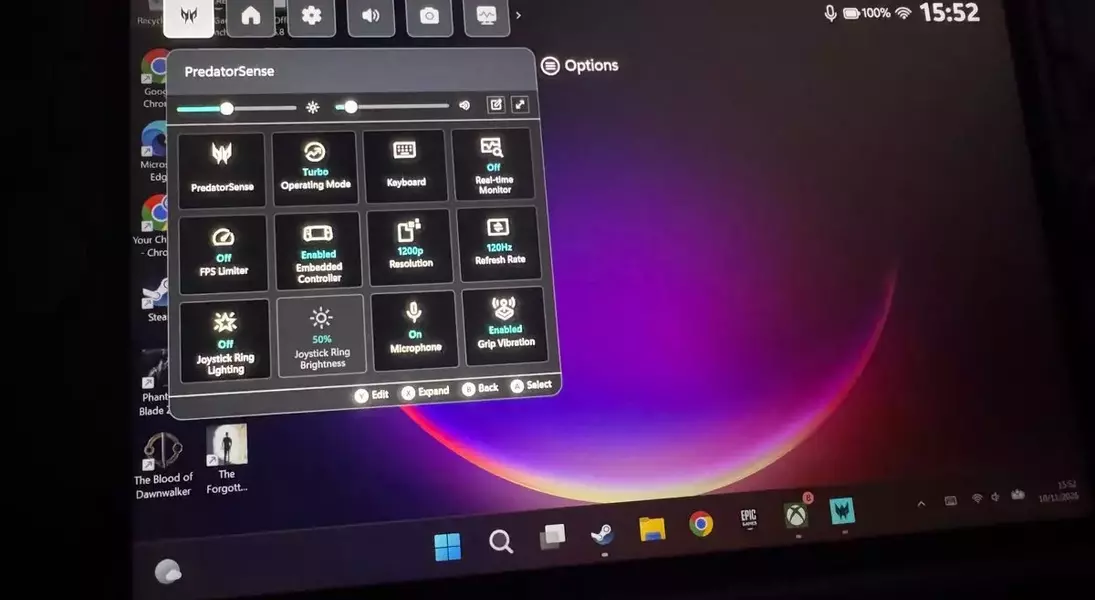
Operating on Windows 11, the software experience is a mix of convenience and minor inconveniences. While it comes with Xbox's handheld interface, which attempts to streamline game access similar to Steam, users may still find themselves navigating Windows for tasks like driver updates. The Acer Predator Sense software, accessible via dedicated buttons, offers quick adjustments for performance modes and detailed customization options, though its activation can sometimes be inconsistent. This dual ecosystem, while powerful, highlights the ongoing challenges of optimizing Windows for handheld use.
Battery life benefits from Intel's Endurance Gaming technology. Although the 25W Quiet Mode and 30W Balanced Mode offer marginal differences in playtime, the dedicated Endurance Mode significantly extends usage, providing nearly three hours of gaming in demanding scenarios. For less intensive tasks, the battery life is even more impressive. While users can manually adjust wattage below 25W, the default settings aim for a balance between performance and longevity. The Atlas 8's 8-inch WUXGA IPS display, with its 120Hz refresh rate and 500 nits peak brightness, ensures excellent visibility even in bright environments, making it suitable for both indoor and outdoor gaming.
Considering its price, the Acer Predator Atlas 8 presents excellent value. For the American market, the 512GB model, priced at $1,300, delivers comparable performance to more expensive rivals like the MSI Claw 8 EX AI+ CG3EM, despite having half the storage and 75% of the memory. While the MSI Claw offers superior storage and memory, the Atlas 8's raw performance in gaming benchmarks, including 3DMark, often matches or slightly surpasses it. When compared to the Asus ROG Xbox Ally X20, which boasts better ergonomics, screen quality, and thermals but falls short in raw processing power, the Atlas 8 maintains a strong position with its exceptional performance-to-price ratio. Despite requiring minor compromises to achieve its accessible pricing, the Acer Predator Atlas 8 unequivocally stands as a top performer in the handheld gaming segment, especially for those seeking high-end gaming capabilities without breaking the bank.
