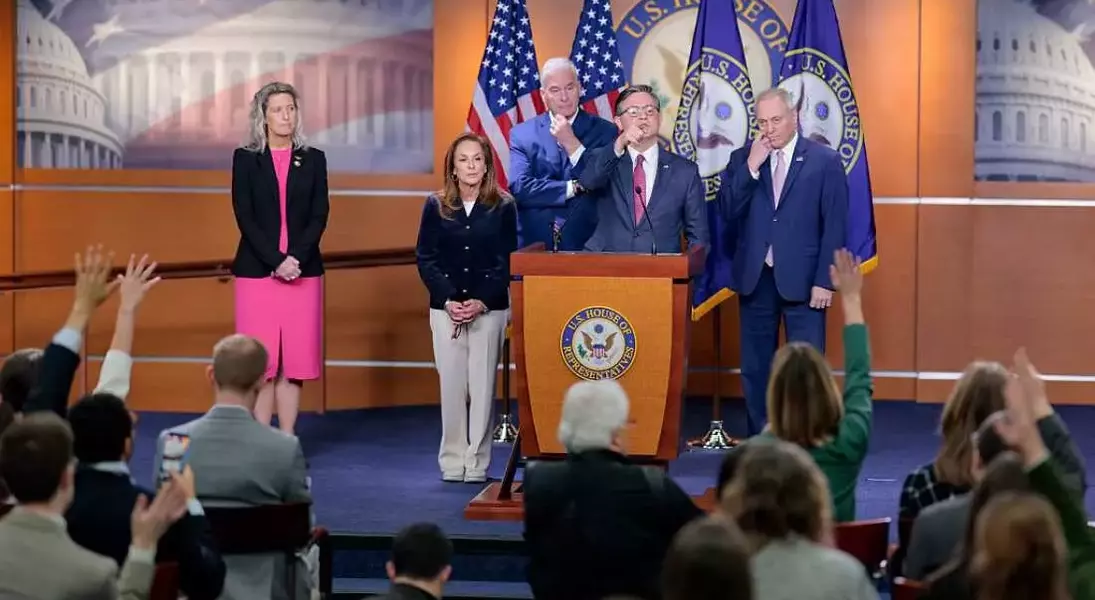
As open enrollment for the Affordable Care Act (ACA) continues, many individuals and families are confronting unexpectedly high premium costs, largely due to ongoing political gridlock in Congress regarding the extension of critical healthcare subsidies. This contentious issue, reminiscent of past debates over the ACA's future, introduces a new layer of complexity: consumers are left in limbo, unsure whether financial assistance will continue, profoundly impacting their decisions and budgets.
This uncertainty is particularly pronounced for the millions of Americans who rely on these subsidies to make health insurance affordable, prompting widespread concern among consumers and state marketplace administrators alike. The potential discontinuation of enhanced subsidies, originally boosted during the COVID-19 pandemic, could revert premiums to levels unaffordable for many, leading to difficult choices between essential coverage and other household expenses. Political maneuvering, with various proposals from both Republican and Democratic sides, further complicates the situation, creating a sense of urgency as the enrollment period progresses with no clear legislative resolution.
The impact of this legislative stalemate is already evident in enrollment trends, with some states reporting a decrease in new sign-ups and an increase in cancellations among existing customers, particularly those in lower to middle-income brackets. This shift highlights a growing affordability crisis, pushing more individuals towards 'bronze' level plans with lower premiums but significantly higher deductibles, effectively transferring more financial burden to the insured. The personal stories of individuals facing hundreds or even thousands of dollars in monthly premium increases underscore the human stakes of this political indecision, emphasizing the need for a stable and accessible healthcare system that supports all citizens.
The current situation with the ACA underscores a fundamental challenge in healthcare policy: balancing affordability, access, and political consensus. The experiences of those navigating rising costs and uncertain subsidies serve as a powerful reminder that healthcare is not merely a political talking point but a deeply personal and essential need. Moving forward, a collaborative and consumer-focused approach is vital to ensure that all individuals have access to sustainable and affordable health coverage, fostering a healthier and more secure society.
