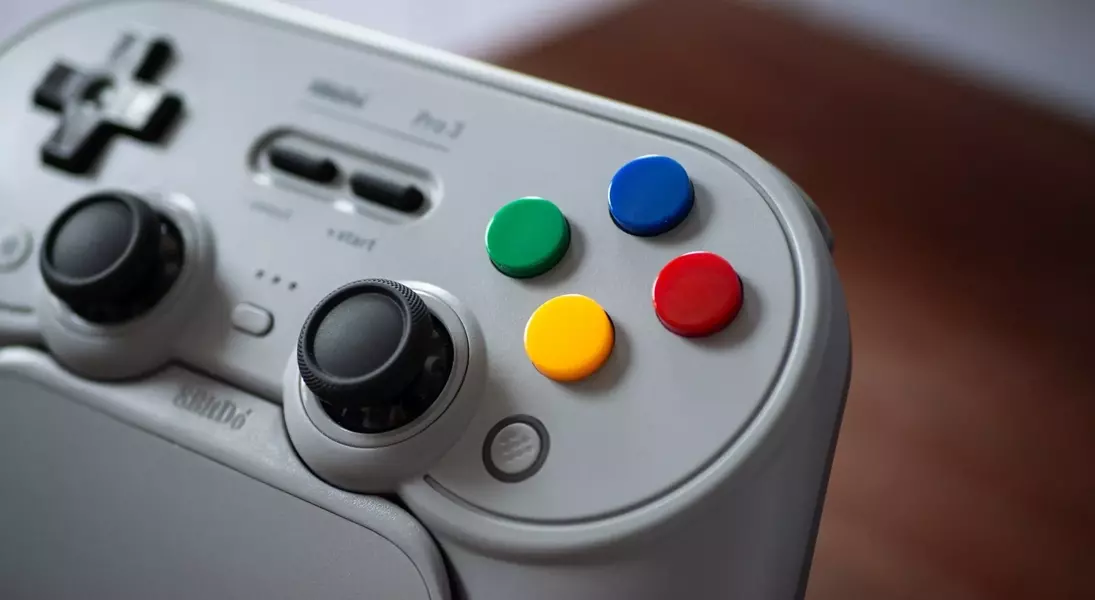
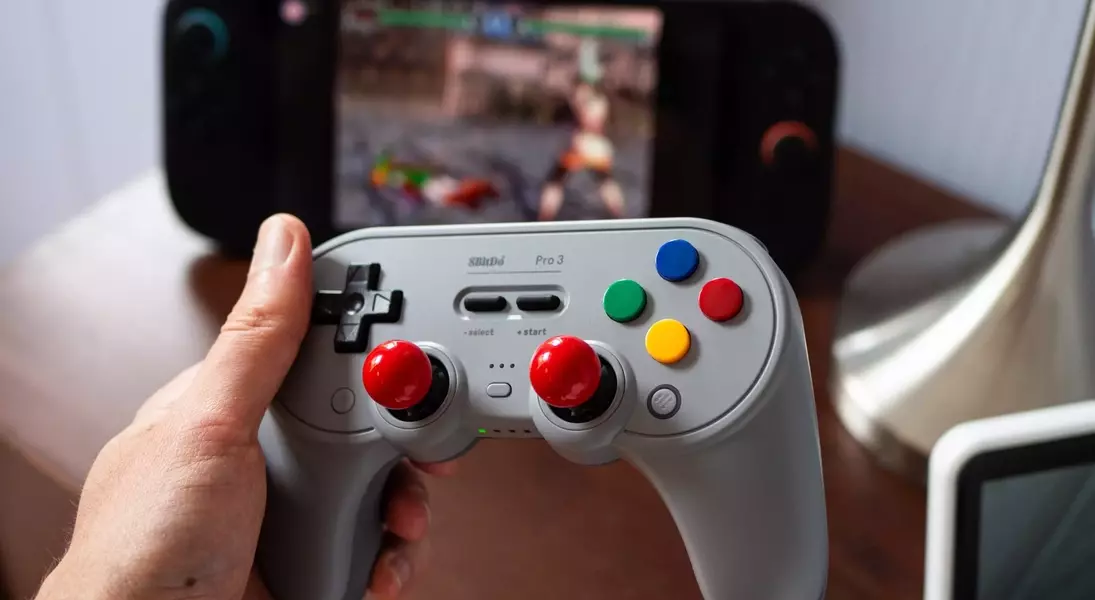
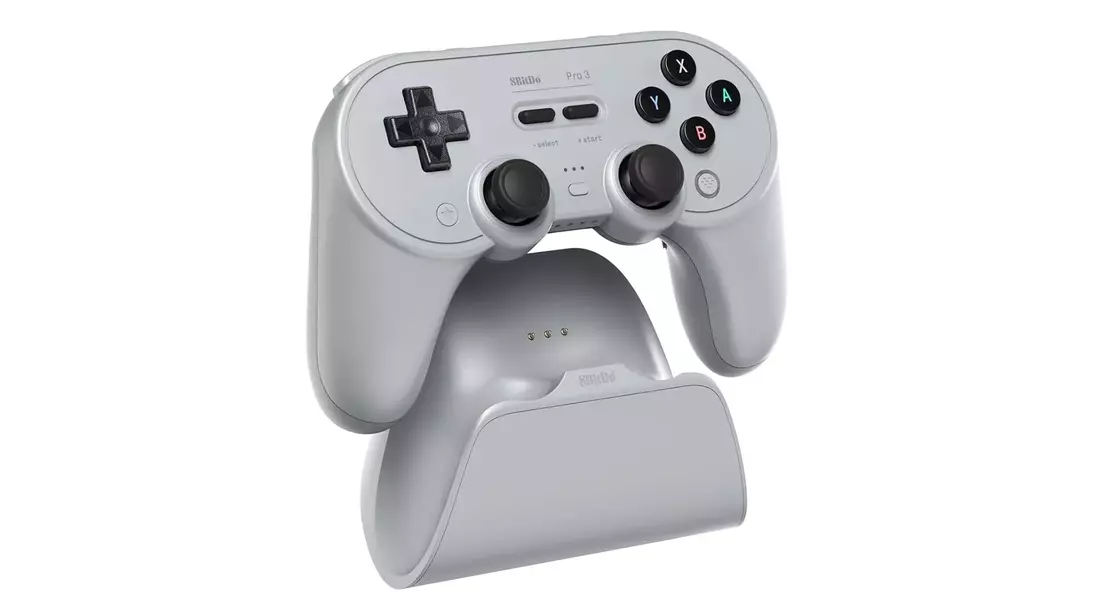
The 8BitDo Pro 3 represents a significant leap in controller design, blending a familiar ergonomic form with cutting-edge internal components and unparalleled customization options. This latest iteration aims to deliver a versatile and high-performance gaming experience across a wide array of platforms. Despite its many advancements and user-centric features, its integration with the Nintendo Switch 2 presents a few notable limitations that dedicated console users might find restrictive.
Unleashing Unprecedented Personalization
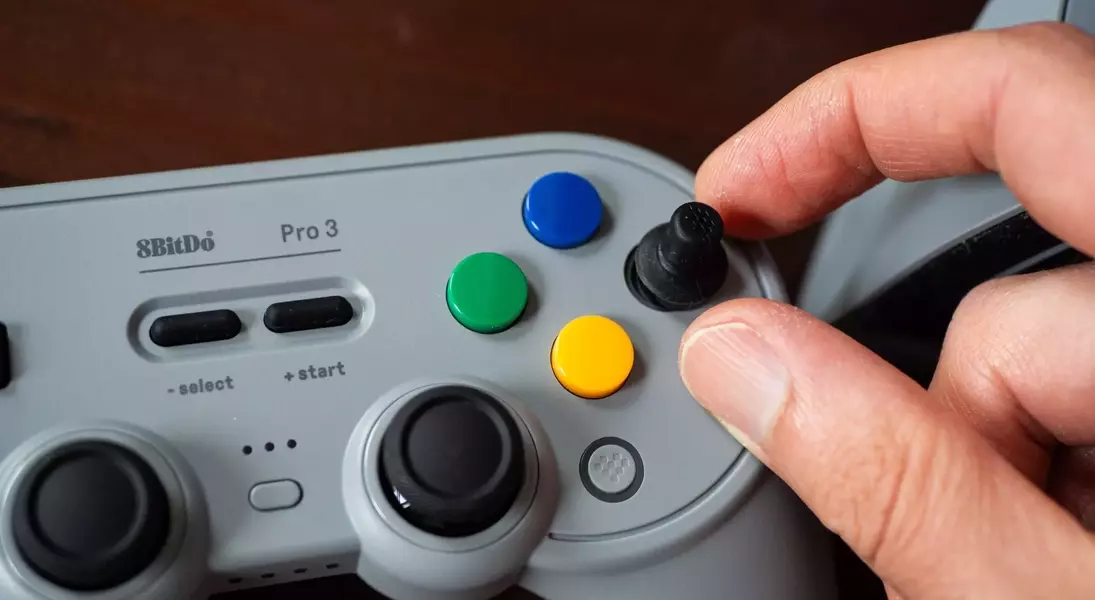
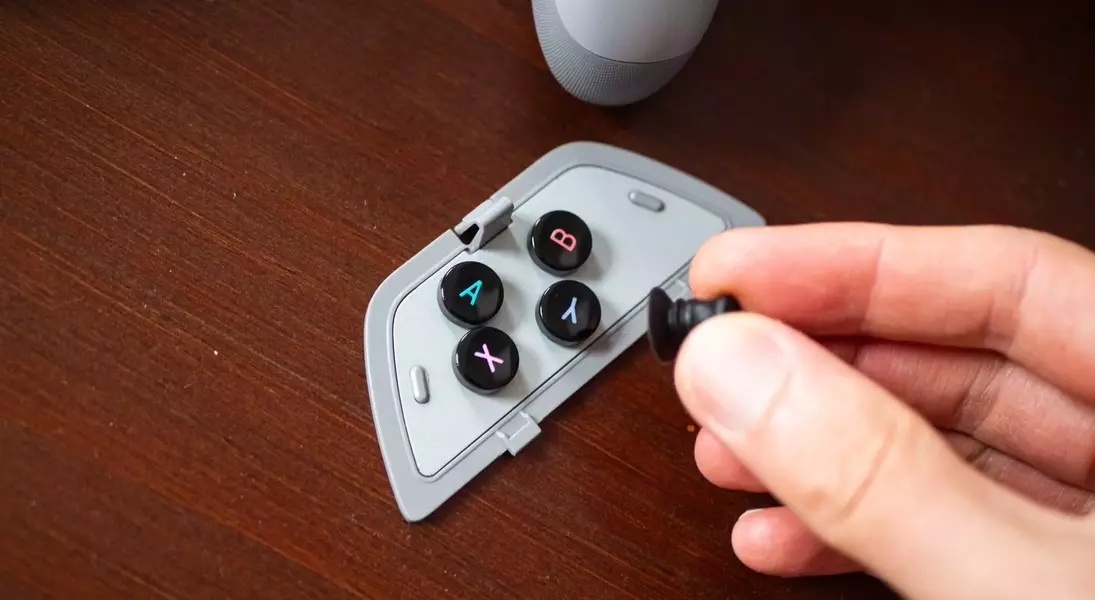
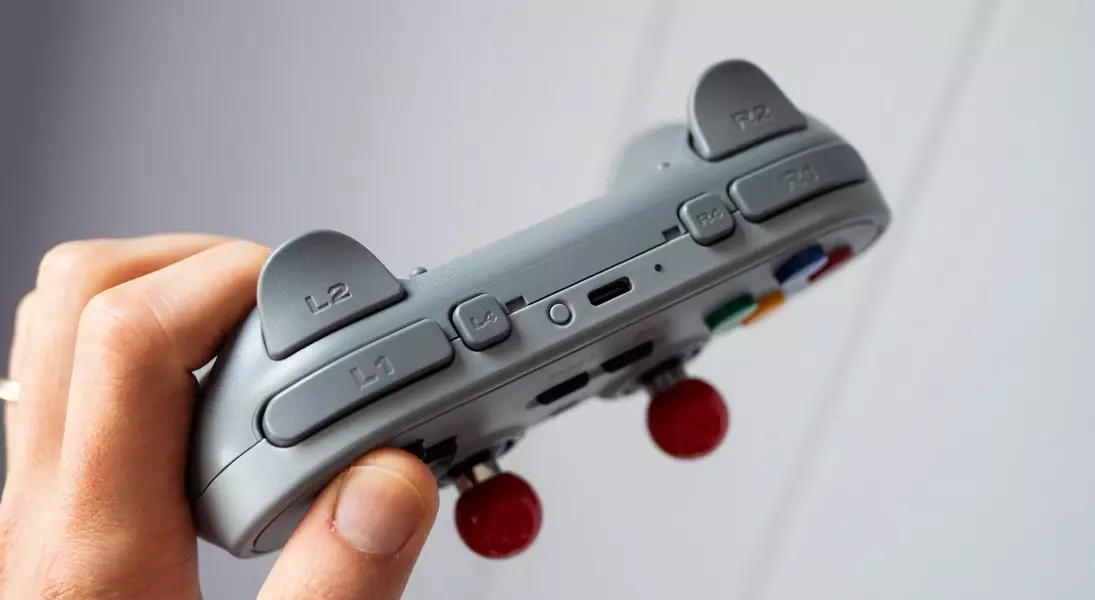
The 8BitDo Pro 3 sets a new standard for controller customization, allowing gamers to truly make the device their own. Its innovative design incorporates swappable face buttons, enabling seamless transitions between different gaming platforms, such as Switch and PC, by simply swapping out the ABXY button layout. This magnetic attachment ensures security, preventing accidental detachment even during intense gameplay. Moreover, the controller supports interchangeable joystick caps, including arcade-style nubs that cater to specific game genres requiring rapid, precise movements. This level of personalization extends beyond physical modifications, with the comprehensive Ultimate V2 PC app offering detailed control over button assignments, joystick sensitivity, and trigger distances, allowing users to fine-tune their profiles for optimal performance across various titles.
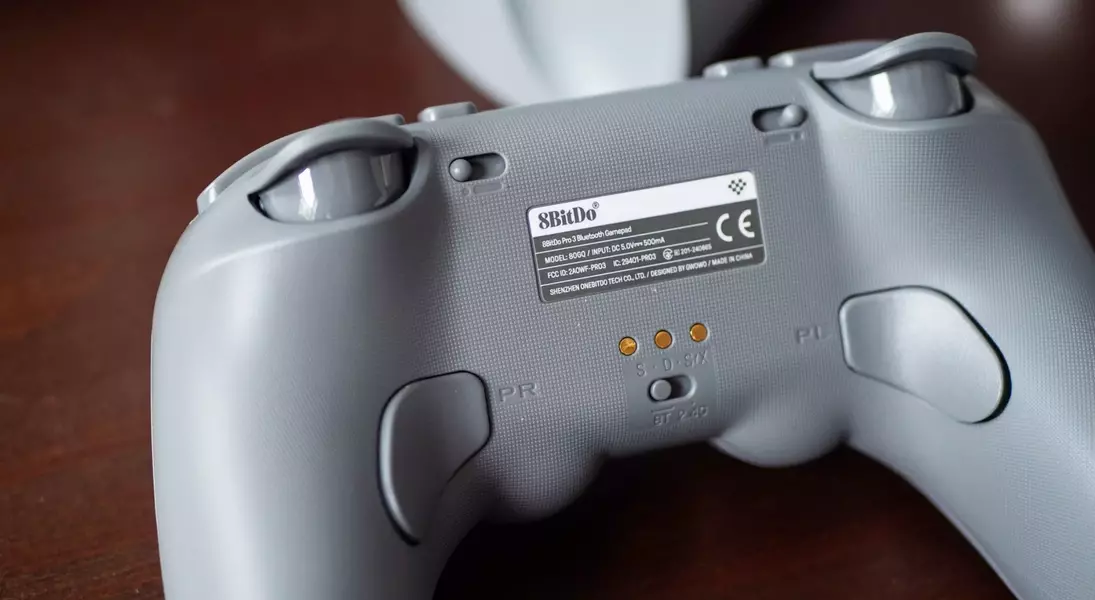
The controller’s engineering enhancements are equally impressive, featuring advanced TMR joysticks and Hall effect triggers. These components surpass their predecessors in terms of accuracy, responsiveness, and longevity, mitigating common issues like stick drift and ensuring consistent performance over extended use. The Hall effect triggers, in particular, provide more precise and linear feedback compared to traditional linear triggers, enhancing the gaming experience, especially in titles that benefit from nuanced input. Furthermore, the Pro 3 includes additional L4 and R4 macro buttons, positioned conveniently between the triggers and the USB-C port, offering extra programmable inputs without compromising the controller’s ergonomic feel. These thoughtful additions, combined with its multi-platform compatibility via Bluetooth and a 2.4GHz dongle housed within a sleek charging dock, solidify the 8BitDo Pro 3 as a highly adaptable and robust gaming accessory.
Navigating Nintendo Switch 2 Compatibility
While the 8BitDo Pro 3 excels as a versatile controller for platforms like Steam Deck, Windows PC, Mac OS, Android, Apple TV, and Apple Vision Pro, its integration with the Nintendo Switch 2 reveals certain limitations. Despite its comfortable design and responsive motion controls, the controller’s rumble effects are less refined compared to first-party Switch controllers, often feeling imprecise and overly aggressive. This can detract from the immersive experience in games that heavily rely on haptic feedback, leading some users to disable the feature entirely. More significantly, the Pro 3 lacks the ability to wake the Switch 2 from standby mode, a feature common in some competing third-party controllers and a standard convenience for first-party devices. Although it can wake the original Switch and the Steam Deck OLED, this oversight for the newer console may be a deciding factor for users primarily intending to use it with the Switch 2.
Despite these drawbacks, the 8BitDo Pro 3 remains a compelling option for a wide range of gamers, particularly those seeking a highly customizable and durable controller for PC gaming. The $69.99 price point, while higher than its predecessor, is justified by the inclusion of a charging dock, a 2.4GHz dongle, and advanced internal technology. However, for dedicated Switch 2 players, the Pro 3’s inability to wake the console and its less-than-optimal rumble feedback might diminish its appeal when compared to the feature-rich and seamlessly integrated official Switch 2 Pro controller. Ultimately, the decision to invest in the Pro 3 hinges on a player’s primary gaming platform and their priorities regarding customization, advanced features, and overall console integration.
