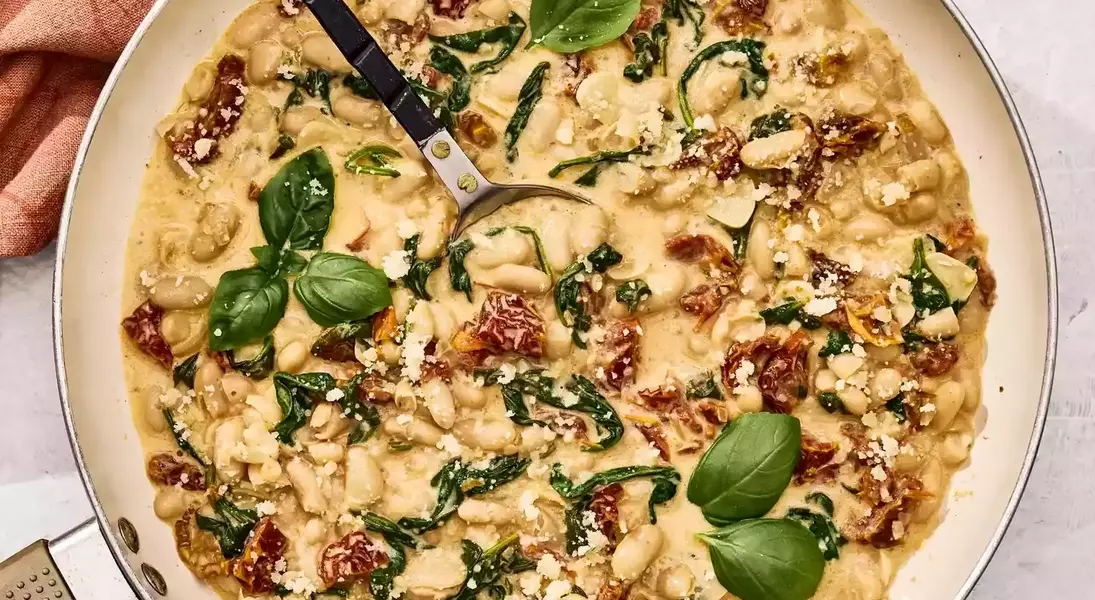


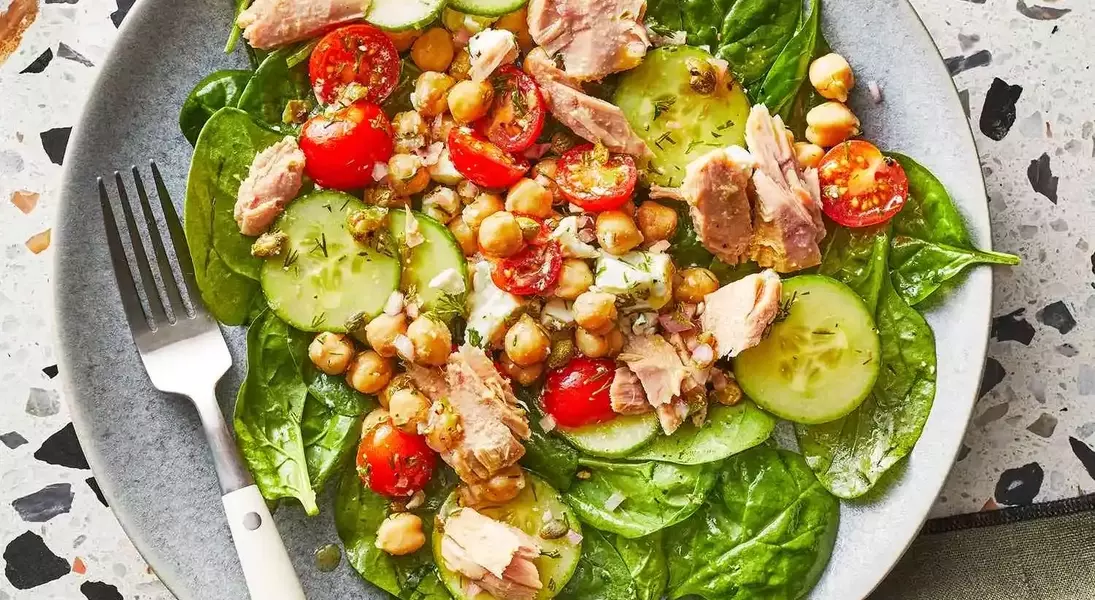
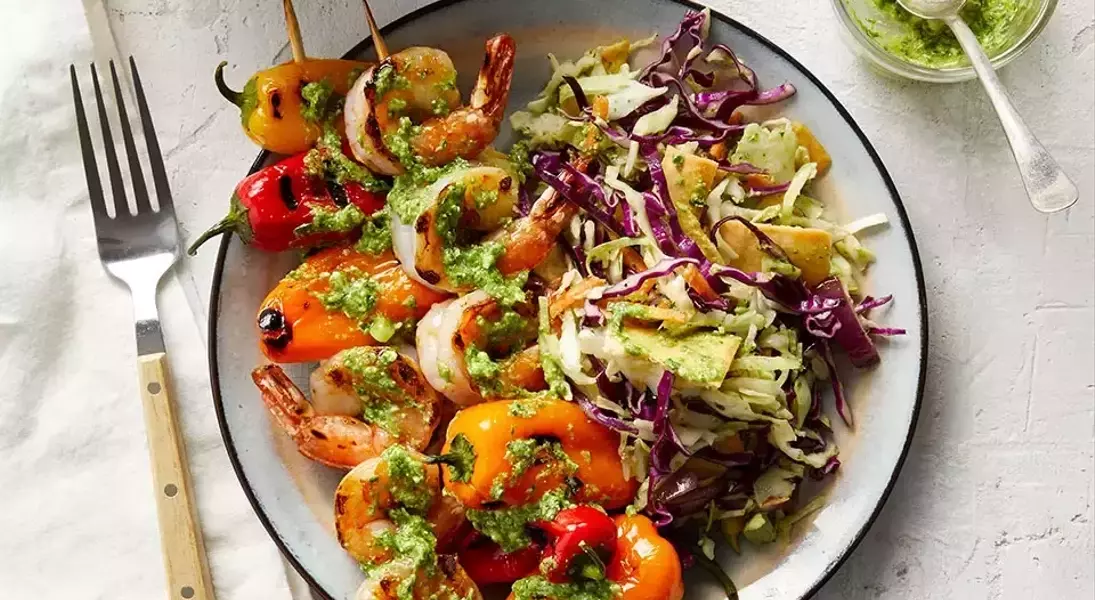
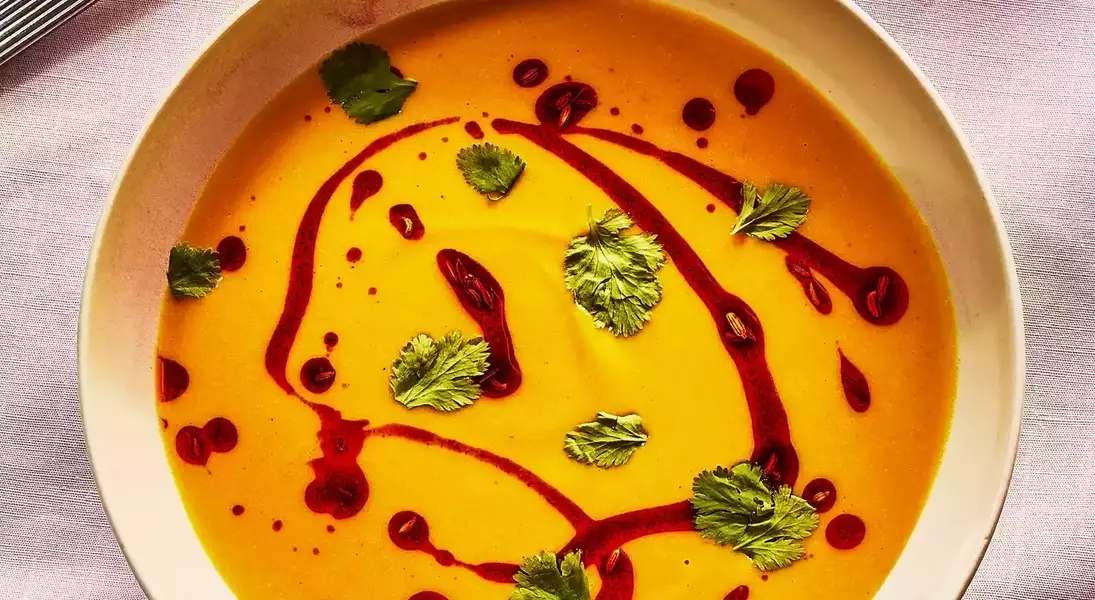


Reducing visceral fat, often considered challenging, can be effectively addressed through strategic dietary choices. This seven-day meal strategy leverages the power of high-protein and anti-inflammatory foods to help individuals achieve their weight-loss goals. By incorporating ingredients such as lean meats, fish rich in omega-3 fatty acids, fiber-packed legumes, a wide array of colorful produce, and wholesome nuts and seeds, this plan aims to curb hunger and mitigate inflammation, which is frequently linked to persistent abdominal fat. The structured yet flexible approach ensures balanced nutrition and promotes sustainable, flavorful eating habits, making the journey to reduced visceral fat accessible and enjoyable.
Beyond dietary adjustments, lifestyle factors play a crucial role in managing visceral fat. Regular physical activity, encompassing both aerobic exercises and strength training, is essential for overall weight management and specifically targets abdominal fat reduction. Moreover, stress management techniques, such as meditation, outdoor activities, or quality time with loved ones, are vital. Uncontrolled stress can elevate hormones that contribute to increased visceral fat. By integrating these practices—a nutrient-rich diet, consistent exercise, and effective stress reduction—individuals can create a holistic approach to not only shed visceral fat but also foster long-term health and well-being.
Understanding the 7-Day High-Protein Anti-Inflammatory Meal Plan
This meal plan is specifically designed to help reduce visceral fat by focusing on a 1,500-calorie intake, with options to scale up to 1,800 or 2,000 calories. It heavily emphasizes foods that are high in protein and possess anti-inflammatory properties, aiming to enhance satiety, support healthy digestion, and combat inflammation associated with stubborn abdominal fat. Each day's menu is carefully crafted to include a variety of lean proteins, omega-3 rich fish, fiber-packed beans, vibrant fruits and vegetables, and nutrient-dense nuts and seeds, ensuring a balanced and flavorful eating experience without resorting to extreme dietary restrictions. The plan aims to make healthy eating both approachable and sustainable, guiding participants towards their weight-loss objectives through wholesome food choices.
The plan outlines detailed meal compositions for each day, from breakfast to dinner, along with recommended snacks. For instance, a typical day might start with a Raspberry-Peach Chia Seed Smoothie, followed by a mid-morning snack of hummus with sliced carrots, red bell pepper, and edamame. Lunch could feature a Chickpea, Beet & Feta Salad, and dinner a satisfying dish like Roasted Salmon & Broccoli Rice Bowls. Throughout the week, the menu varies to keep meals interesting while maintaining the core principles of high protein and anti-inflammatory ingredients. Daily caloric and macronutrient totals are provided, along with clear instructions for adjusting the plan to higher calorie targets, often involving additional servings of yogurt, berries, chia seeds, or anti-inflammatory energy balls, demonstrating flexibility to suit individual needs and energy requirements.
Integrating Holistic Lifestyle Practices for Visceral Fat Reduction
To maximize the benefits of this meal plan and effectively reduce visceral fat, it is crucial to integrate additional lifestyle practices that complement the dietary changes. One key area is increasing fiber intake, as many individuals do not consume enough of this essential nutrient. Fiber-rich foods such as whole grains, fruits, vegetables, beans, nuts, and seeds are vital for prolonged satiety, blood sugar regulation, and combating inflammation, all of which are directly linked to visceral fat management. Aiming for 25 to 35 grams of fiber daily from whole food sources can significantly contribute to these health goals.
Beyond nutrition, consistent physical activity and effective stress management are indispensable. Regular exercise, combining both aerobic and strength-training routines, has been shown to be highly effective in reducing overall body fat, including visceral fat. Recommendations include at least 150 minutes of moderate-intensity aerobic exercise per week, complemented by at least two days of strength training. Furthermore, unmanaged stress can trigger hormonal responses that promote the accumulation of visceral fat. Engaging in stress-reducing activities such as meditation, spending time outdoors, or fostering social connections can help lower these hormones, thereby supporting the body's efforts to shed abdominal fat and achieve holistic well-being.
