Maintaining the freshness and crispness of lettuce is crucial for both culinary enjoyment and minimizing food waste. This guide, drawing on insights from a food safety expert, outlines key practices to significantly extend the shelf life of your leafy greens. From the moment you select lettuce at the grocery store to its preparation in your kitchen, adhering to these guidelines ensures your salads and sandwiches remain vibrant and delicious.
The journey to long-lasting lettuce begins even before you leave the grocery store. According to Drew McDonald, a senior vice president specializing in quality and food safety at Taylor Farms, careful selection is paramount. When shopping, it's vital to meticulously examine lettuce and other salad greens for any indications of bruising, damage, or wilting. Checking the expiration date is also a non-negotiable step to ensure you're starting with the freshest possible product. Once home, any leaves that appear bruised or slimy should be discarded immediately to prevent further spoilage.
Proper storage post-opening is another critical factor. Many pre-packaged greens come in specialized containers or films designed to regulate airflow and moisture. However, once opened, this carefully controlled environment is compromised, and the lettuce's shelf life begins to shorten rapidly. McDonald emphasizes that the 'best-if-used-by' date serves as a guide, but the real goal is to maximize freshness. To achieve this, transfer opened greens to a breathable container or a resealable bag lined with paper towels to absorb excess moisture. Storing these in the crisper drawer of your refrigerator and handling them gently can help maintain their crispness for several days, counteracting the effects of oxidation and moisture imbalance.
Preventing cross-contamination is non-negotiable, especially since lettuce is typically consumed raw. McDonald stresses the importance of keeping lettuce separate from high-risk foods such as raw meat, poultry, seafood, or eggs, from the grocery checkout all the way to your refrigerator. Before preparing any lettuce, thoroughly wash your hands, and meticulously clean all countertops, cutting boards, and utensils with hot, soapy water, particularly after they've come into contact with raw foods. As McDonald advises, \"treat it like you would raw meat\"—not because the produce is inherently contaminated, but to proactively prevent contamination. Any produce that has been exposed to raw foods or left unrefrigerated for more than two hours after cutting, peeling, or cooking should be discarded to ensure safety.
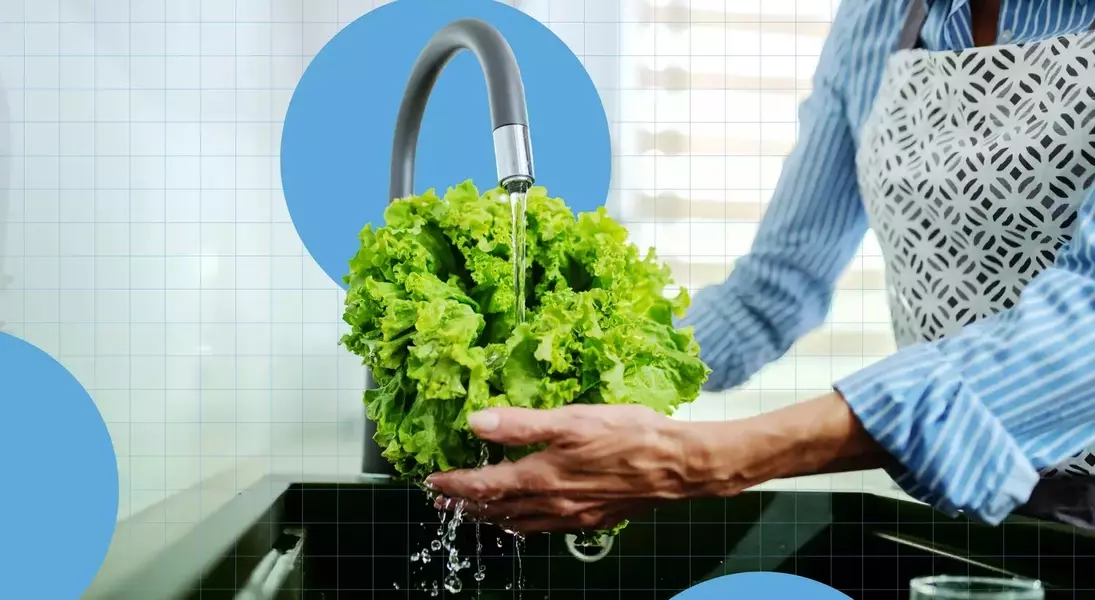
Despite common misconceptions and concerns about food safety, it is strongly advised never to wash lettuce with soap or use bleach for disinfection. Such practices can introduce harmful chemicals and are not intended for consumption. Instead, a simple rinse under cold water is sufficient to remove any debris. Furthermore, only rinse the amount of lettuce you plan to use immediately. Pre-rinsing an entire batch can lead to excess moisture accumulation, fostering bacterial growth and accelerating spoilage. For whole heads of lettuce like iceberg or romaine, rinse them under cool running water just before use, then gently pat them dry with a paper or clean kitchen towel.
For packaged lettuce or salad greens, if you don't plan to use them immediately, it's best to keep the original packaging sealed in the refrigerator. This preserves the controlled environment that prevents oxidation and spoilage. McDonald also highlights that pre-washed produce labeled \"triple-washed\" or \"ready-to-eat\" does not require additional washing. When storing opened bags, press out any excess air and roll the bag down, securing it with a chip clip or tape to protect the delicate leaves. Crucially, never return unused produce to its original bag after it has been removed, as this can introduce cross-contamination. By following these straightforward yet effective measures, you can ensure your lettuce remains fresh, safe, and delicious, reducing food waste and enhancing your meals.
