

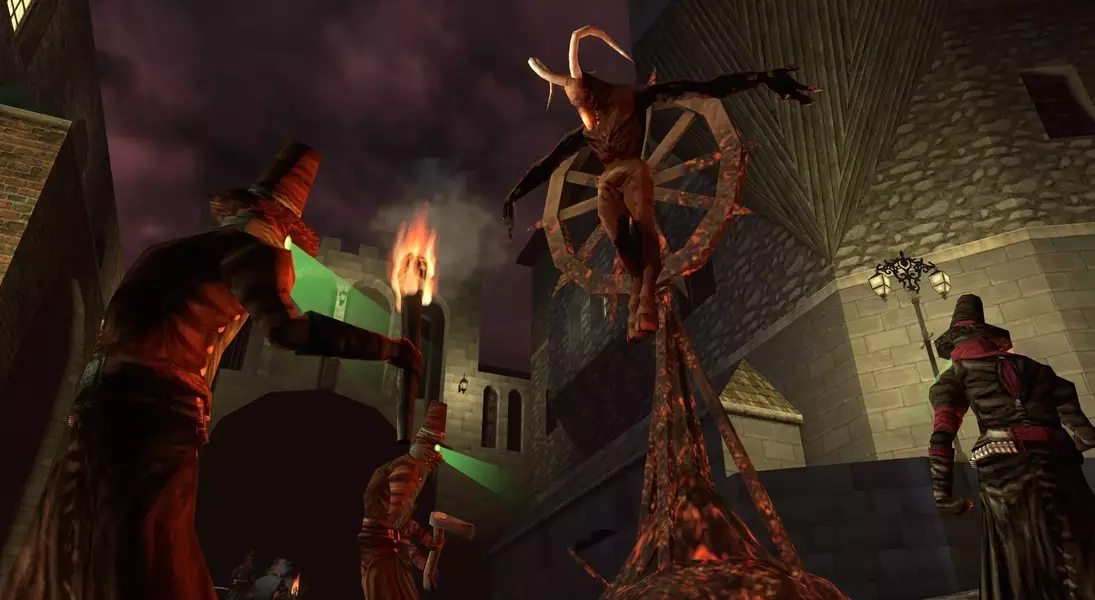

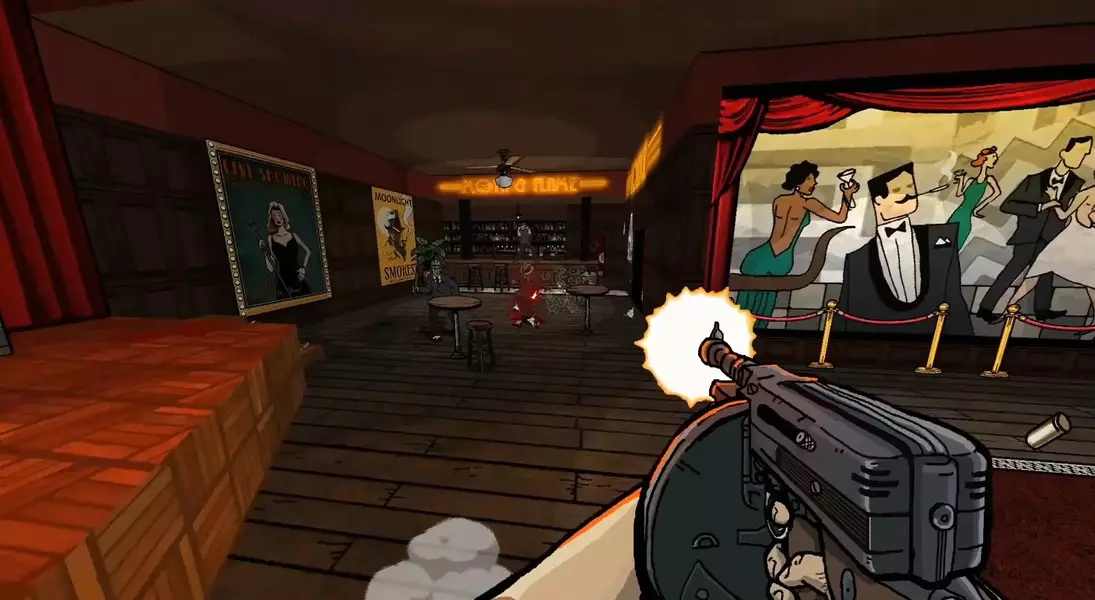
Developers of immersive simulation games, such as New Blood Interactive, face significant marketing hurdles, primarily due to the genre's niche terminology. Despite a dedicated fanbase that appreciates the intricate design of these titles, the very phrase "immersive sim" tends to alienate a broader audience. Industry leaders suggest that a re-evaluation of how these games are presented to the public is crucial for their commercial success and continued development.
Marketing 'Immersive Sims': A Genre Identity Crisis
In the dynamic world of video game development, New Blood Interactive's CEO, Dave Oshry, recently shed light on a paradoxical challenge: the term "immersive sim" itself poses a major obstacle to the commercial viability of games like their critically acclaimed "Gloomwood" and "Fallen Aces." These titles, beloved by enthusiasts of genre-defining games such as "Deus Ex" and "Dishonored," are characterized by their deep interactive environments and player-driven problem-solving. However, Oshry candidly describes the term "immersive sim" as "awful" for marketing purposes, highlighting its lack of resonance with mainstream gamers.
Historically, games now categorized as immersive sims were often identified by more accessible labels. For instance, "Thief" was known as a stealth game, and "Deus Ex" was seen as an FPS-RPG, reflecting its blend of first-person combat and role-playing mechanics. Oshry emphasizes that the core elements of immersive sims—such as character development and world interaction—are often found in RPGs, a genre that consistently enjoys widespread commercial success. He cites "Baldur's Gate 3" as an example of a game that, despite not being a first-person title, shares many immersive sim qualities, yet successfully markets itself as an RPG.
This sentiment is echoed by Raphael Colantonio, founder of Arkane, a studio renowned for its immersive sim contributions. Colantonio pointed out that while a small segment of the audience passionately understands "immersive sim," the vast majority remains unacquainted with its meaning. This disconnect proved costly for Arkane's "Prey," as extensive efforts to explain the genre diluted marketing effectiveness, ultimately impacting sales and contributing to the studio's struggles, culminating in the closure of Arkane Austin.
New Blood has experienced success with more straightforward genre descriptors, as seen with their "boomer shooters" like "Dusk" and "Ultrakill," and the "stealth trilogy" moniker for "Gloomwood," "Fallen Aces," and "Blood West." These labels provide clear, immediate understanding for potential players, contrasting sharply with the ambiguity of "immersive sim." The industry discourse suggests a pressing need for developers to adopt more universally understood marketing language to bridge the gap between niche appeal and broader commercial viability.
The ongoing discussion surrounding the categorization of "immersive sims" serves as a powerful reminder of the delicate balance between creative vision and market realities in the video game industry. While developers cherish the intricate design philosophy that defines these games, the ability to effectively communicate their essence to a wider audience is paramount for their survival and growth. Perhaps by adopting more accessible labels, game creators can ensure that these rich, interactive experiences reach the larger player base they deserve, fostering innovation and preventing the premature demise of potentially groundbreaking titles.
