
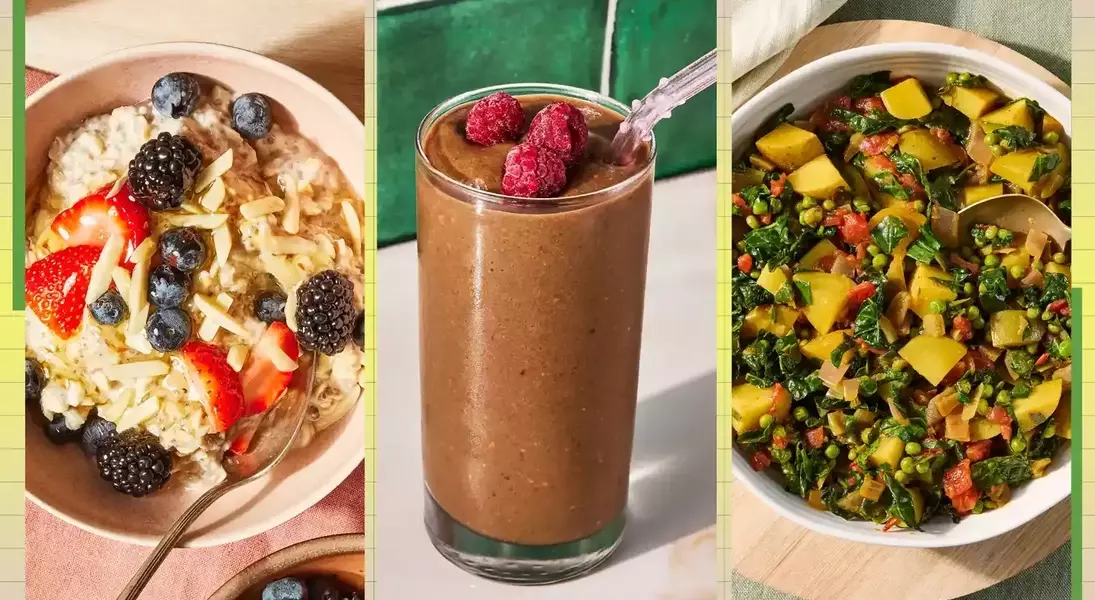
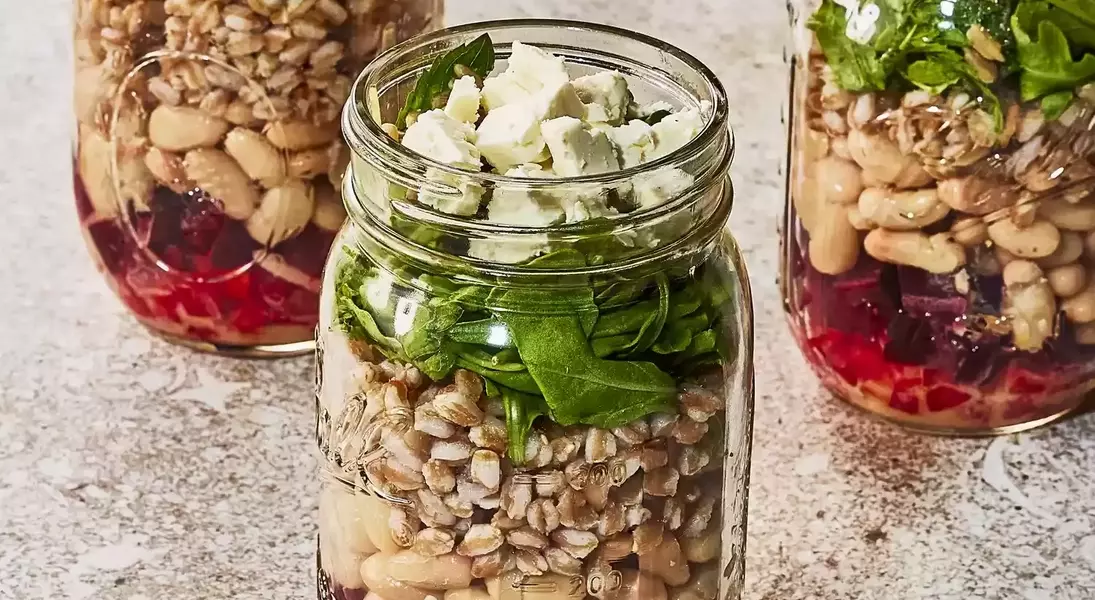
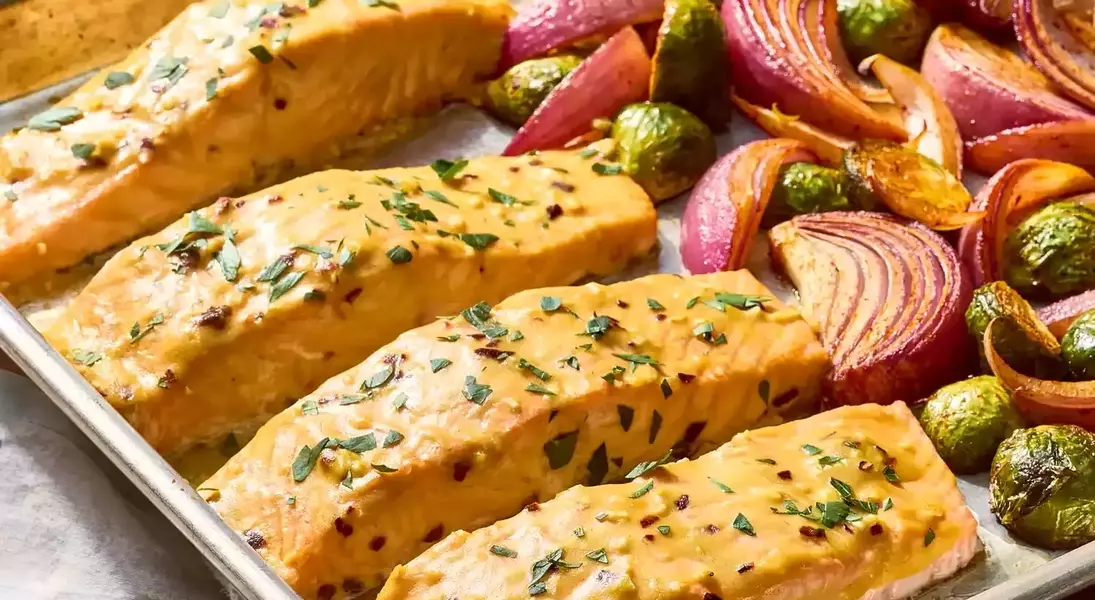
This comprehensive 30-day meal plan is meticulously crafted to support a healthy lifestyle by emphasizing anti-inflammatory and high-fiber foods while minimizing added sugars. Each day's menu is designed to provide balanced nutrition, featuring a vibrant array of fruits, vegetables, legumes, whole grains, and lean proteins, all known for their inflammation-fighting properties. The plan includes detailed daily caloric breakdowns, with options to adjust for 1,500, 1,800, and 2,000 calorie diets, ensuring flexibility for individual needs. Weekly meal preparation tips are provided to streamline your cooking process and help maintain consistency, making healthy eating both enjoyable and sustainable.
Adhering to an anti-inflammatory diet offers numerous health advantages beyond just reducing inflammation. It promotes a robust immune system, supports cardiovascular health, stabilizes blood sugar levels, and contributes to better brain function. By focusing on whole, unprocessed foods and limiting inflammatory agents like excessive added sugar, this plan helps to create a harmonious internal environment, fostering long-term wellness and vitality. The emphasis on fiber-rich foods further aids digestion and gut health, which are intrinsically linked to overall inflammatory responses in the body. This structured approach to eating is more than just a diet; it's a pathway to cultivating healthier habits and experiencing a noticeable improvement in your physical and mental well-being.
The Principles of an Anti-Inflammatory Diet
This 30-day nutritional program is specifically crafted to reduce inflammation and enhance overall health, concentrating on meals and snacks rich in fiber and anti-inflammatory components while keeping added sugars to a minimum. The dietary framework embraces a wide spectrum of deeply pigmented fruits and vegetables, legumes, beneficial fats, and fish, all recognized for their potential to alleviate inflammation. A key feature of this plan is its daily provision of at least 33 grams of fiber, an indigestible carbohydrate abundant in whole grains, nuts, fruits, vegetables, and legumes. Beyond its well-documented benefits for cardiovascular health and digestion, a high intake of dietary fiber is also associated with a reduction in chronic inflammation markers. To cater to diverse individual requirements, this healthful 30-day regimen includes three distinct calorie levels and offers weekly meal preparation suggestions.
An anti-inflammatory diet shares significant similarities with the widely acclaimed Mediterranean diet, both advocating for a generous consumption of fruits, vegetables, healthy fats, fish, fiber-rich whole grains, and legumes, while advocating for moderation in refined grains, red meat, and processed meats. This dietary approach particularly highlights foods brimming with antioxidants such as carotenoids and anthocyanins. These include intensely colored produce like beets, various orange vegetables, dark leafy greens, pomegranates, and berries. While vibrant foods form the core of this diet, less colorful but equally potent foods like legumes and whole grains also play a crucial role in mitigating inflammation. Following such a diet can lead to a plethora of positive health outcomes, including a decreased risk of heart disease and type 2 diabetes, improved cognitive health, and reduced occurrences of inflammation-related conditions. Our 30-day plan is meticulously designed to incorporate these fiber-rich foods that combat inflammation, carefully limiting added sugar to no more than 3 grams per meal and ensuring the total daily added sugar intake does not exceed 8 grams, as excessive sugar is a known contributor to inflammation.
Strategic Meal Planning for Daily Wellness
This meal plan is thoughtfully structured to offer a daily blueprint for healthy eating, encompassing breakfast, morning snacks, lunch, afternoon snacks, and dinner, with precise calorie counts and nutritional breakdowns for each. For instance, Week 1 kicks off with a Peanut Butter-Banana Flaxseed Smoothie for breakfast, followed by a Cottage Cheese-Berry Bowl, a White Bean & Veggie Salad with an orange for lunch, Blueberry-Pecan Energy Balls, and Salmon Salad with Crispy White Beans for dinner. Each day is meticulously analyzed for total calories, fat, protein, carbohydrates, fiber, sugar, added sugar, and sodium, providing a clear picture of your daily intake. Furthermore, the plan offers practical adjustments for different calorie goals (1,500 and 2,000 calories), allowing users to easily customize their meals by adding or omitting specific items or adjusting portion sizes. These modifications ensure that the plan remains adaptable and effective for a wide range of dietary needs and preferences.
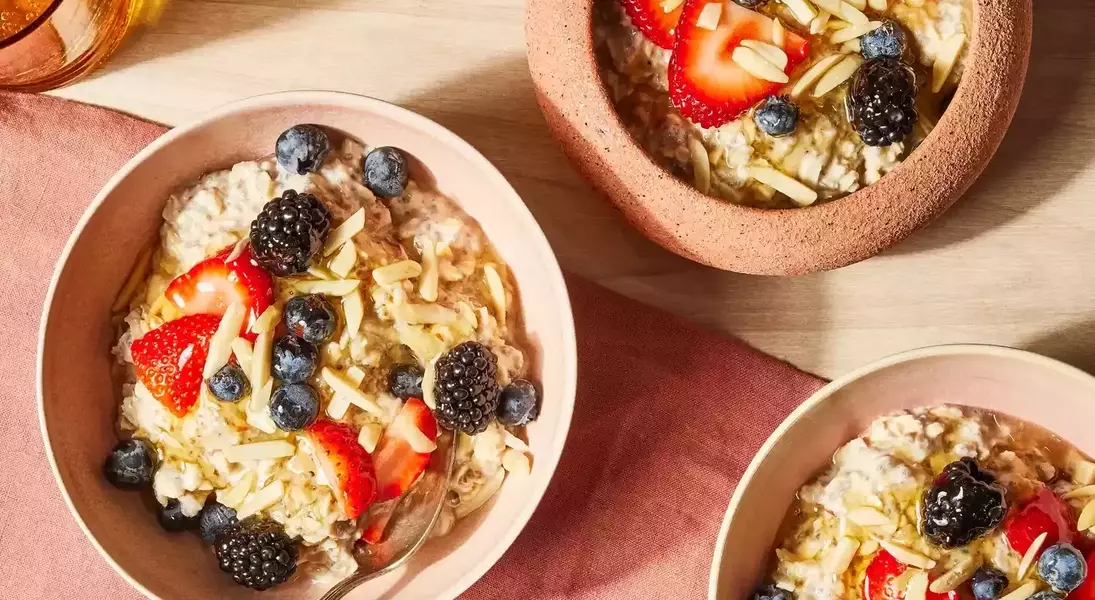
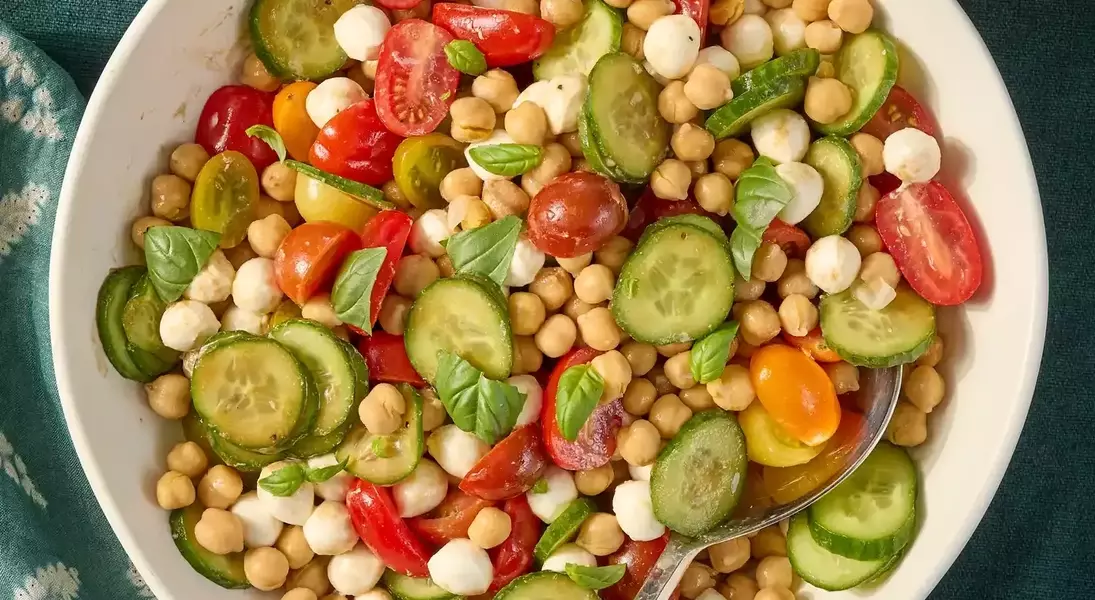
The plan also includes invaluable prep-ahead tips for each week, making it easier to maintain a consistent healthy eating routine. For example, in Week 1, participants are advised to prepare Bircher Muesli, High-Protein Anti-Inflammatory Veggie Soup, and Blueberry-Pecan Energy Balls in advance to save time during busy weekdays. Similarly, Week 2 suggests preparing Strawberry Chia Pudding, High-Protein Caprese Chickpea Salad, and Pizza Pistachios. These tips are designed to simplify meal preparation, encourage adherence to the plan, and prevent reliance on less healthy, convenient options. By front-loading some of the cooking, individuals can enjoy nutritious, anti-inflammatory meals and snacks throughout the week without the daily stress of extensive meal preparation. This strategic approach to meal planning not only supports health goals but also promotes a more organized and stress-free culinary experience, reinforcing the benefits of a well-planned anti-inflammatory diet.
