The 2027 Volkswagen Atlas heralds the arrival of its second generation, presenting a compelling blend of design innovation, upgraded interior amenities, and refined powertrain performance. This new iteration maintains the model's reputation for spacious three-row comfort and accessibility, while introducing a contemporary aesthetic characterized by advanced lighting elements. Inside, occupants will discover a more sophisticated cabin, featuring expansive digital displays and intuitive controls. Under the hood, a revised engine prioritizes fuel efficiency, even as acceleration figures see a slight adjustment. This comprehensive overview explores the significant transformations that define the latest Atlas, positioning it competitively within the demanding SUV landscape.
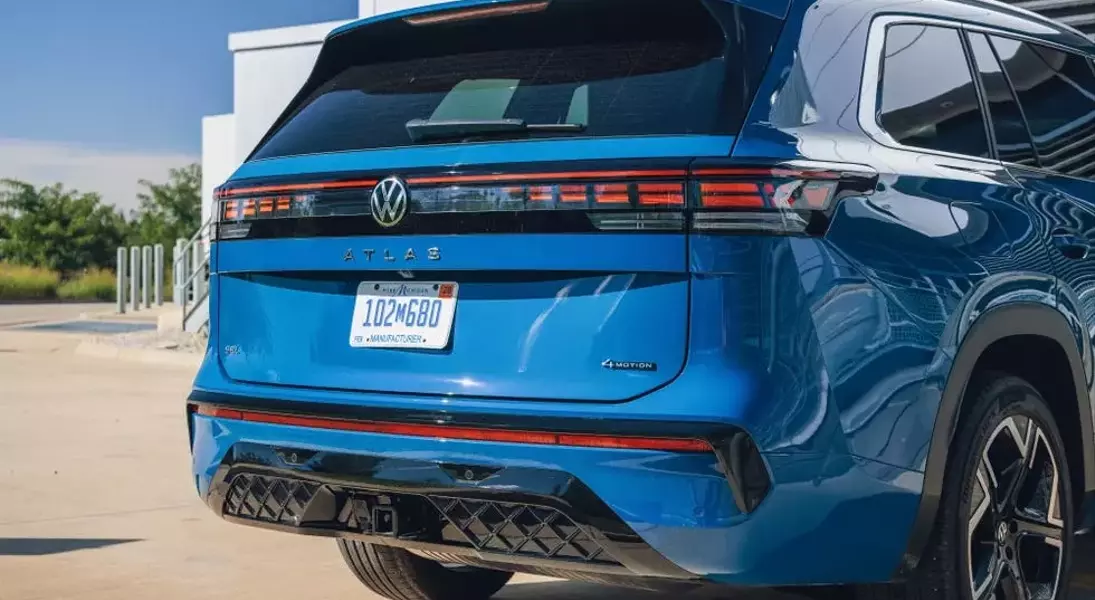
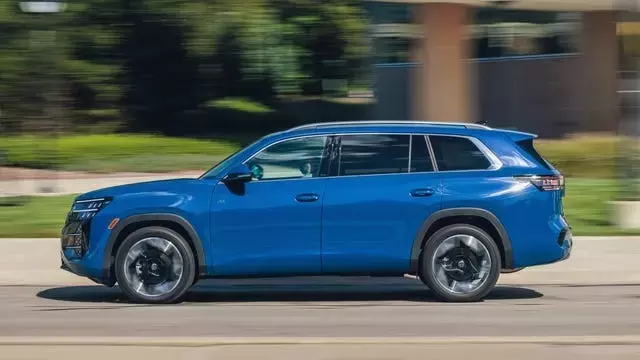
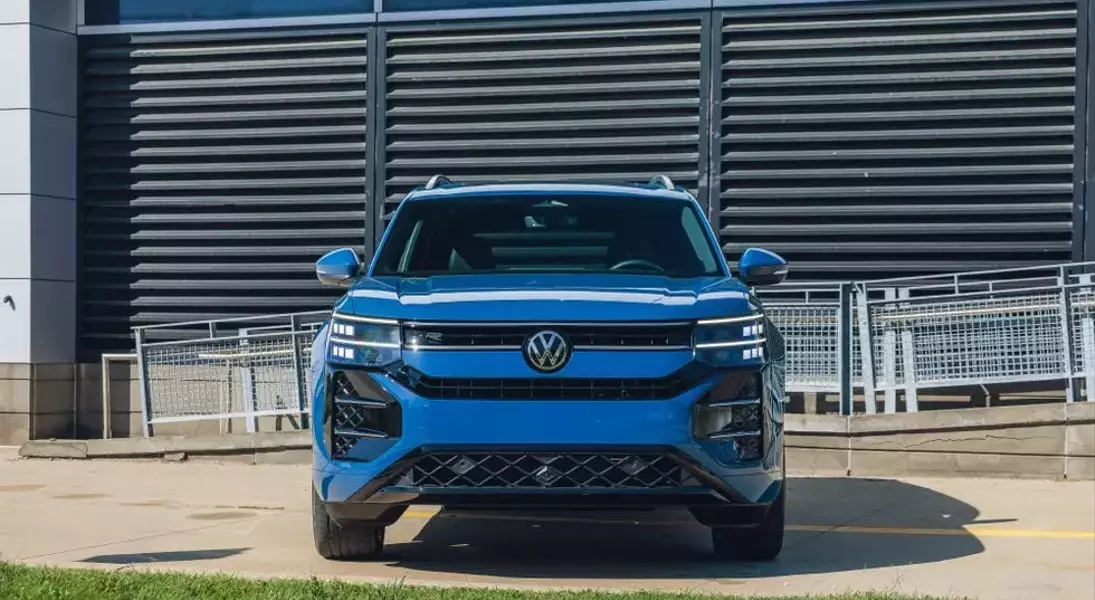
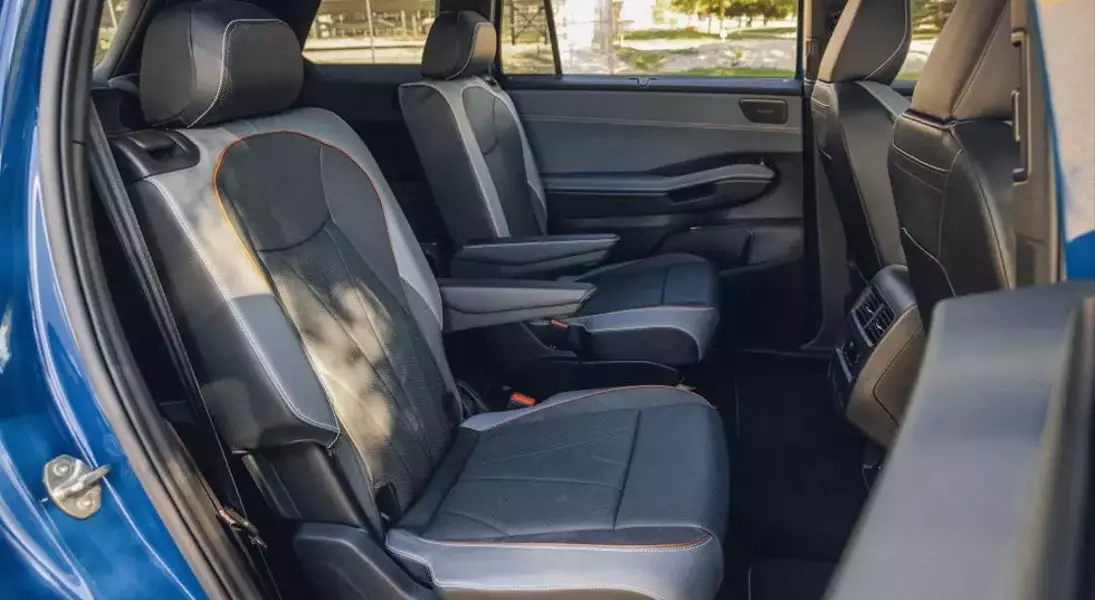
First introduced nearly a decade ago, the Volkswagen Atlas quickly established itself as a family-friendly SUV, particularly noted for its generous third-row access and overall passenger volume. The 2027 model, despite being only the second generation, builds upon this foundation with a design philosophy that emphasizes 'illumination as the new chrome.' While maintaining its established 117.3-inch wheelbase and similar width and height, the new Atlas features a subtly elongated body, extending by 2.4 inches. This modest increase contributes to a more streamlined profile, complemented by striking double-stacked headlights linked by illuminated lines at the front and a distinctive cross-body taillight signature at the rear. The exterior character lines have been softened, lending a more elegant and fluid appearance.
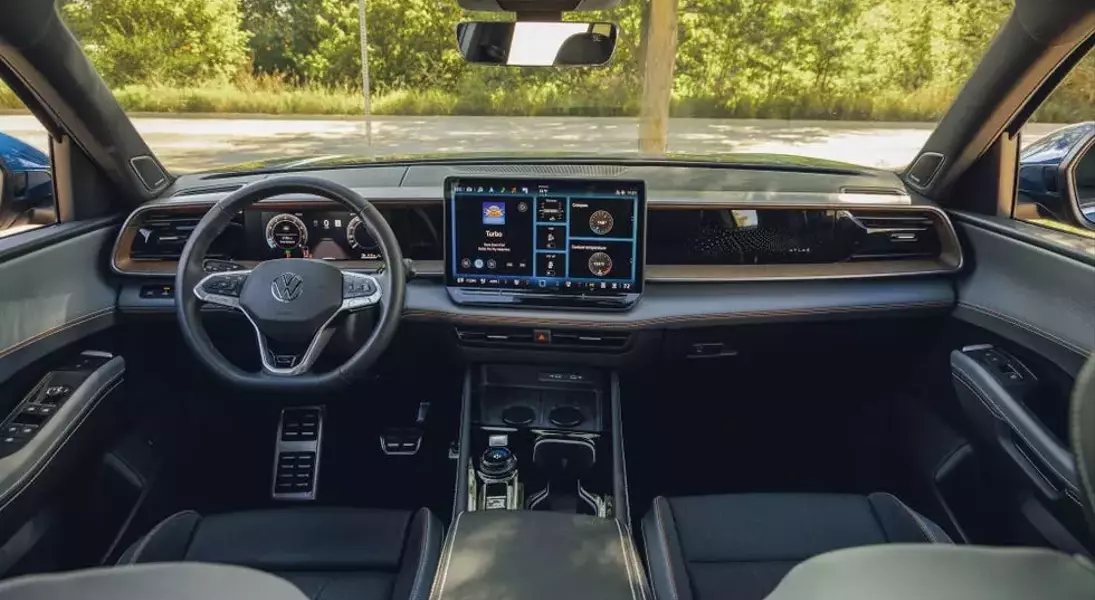
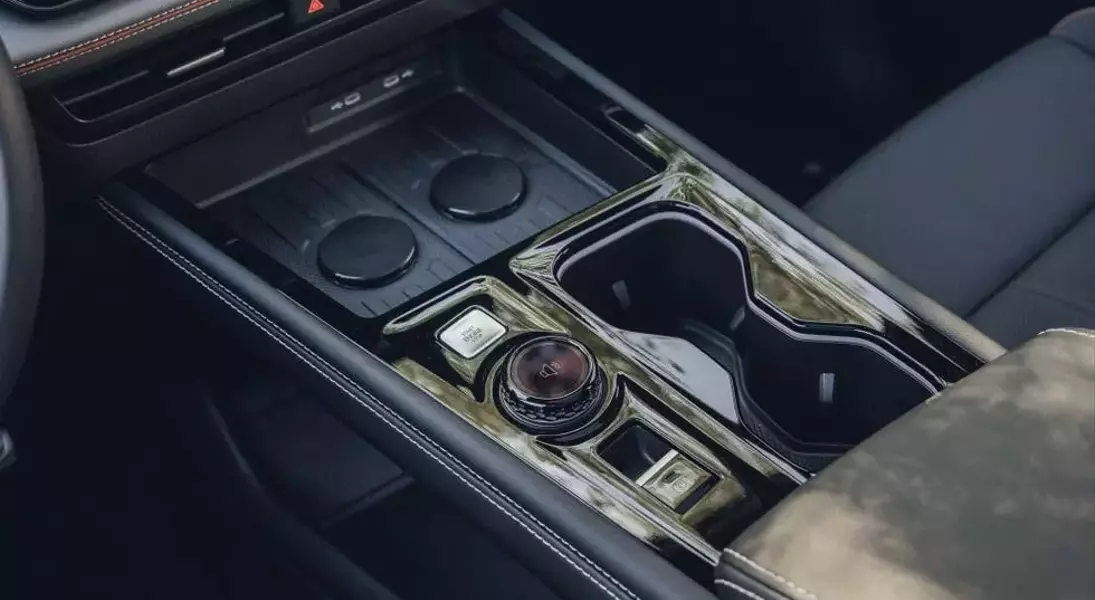
Stepping inside, the cabin exudes a greater sense of openness, largely attributed to a wide, uncluttered dashboard design. A prominent central feature is the enlarged touchscreen, measuring 12.9 inches in the base SE model and expanding to 15.0 inches in higher trims. Volkswagen's Digital Cockpit Pro is now standard, providing a configurable 10.3-inch digital instrument cluster. A notable ergonomic improvement is the relocation of the shifter to the steering column, freeing up console space for dual phone chargers with magnetic securing, alongside conventional cupholders. A new addition is the 'Driver Experience Dial,' a multi-function knob that primarily controls volume but can also switch between drive modes or activate the 'Atmospheres' ambient lighting system, which casts subtle illumination from the door panels and dashboard, synchronizing with the infotainment screen's color scheme. This thoughtful integration of controls aims to enhance user interaction and cabin ambiance.
The heart of the 2027 Atlas is its updated EA888 Evo5 engine, an evolution of its predecessor. This powerplant incorporates several enhancements, including a variable-geometry turbocharger, a high-pressure direct-injection fuel system, and an integrated intercooler. These technical refinements translate to improved fuel efficiency, with EPA combined estimates showing a 1 to 2 mpg increase. Output sees a modest boost to 282 horsepower, a 13-hp gain over the previous model, though torque is slightly reduced by 15 pound-feet to 258. While the engine delivers adequate power, test results indicate a marginal increase in 0–60 mph acceleration time compared to the 2026 model. Unlike some competitors, a hybrid variant is not yet available, which might be a consideration for eco-conscious buyers, although the Atlas achieved a commendable 30 mpg in highway fuel economy tests, surpassing its federal rating.
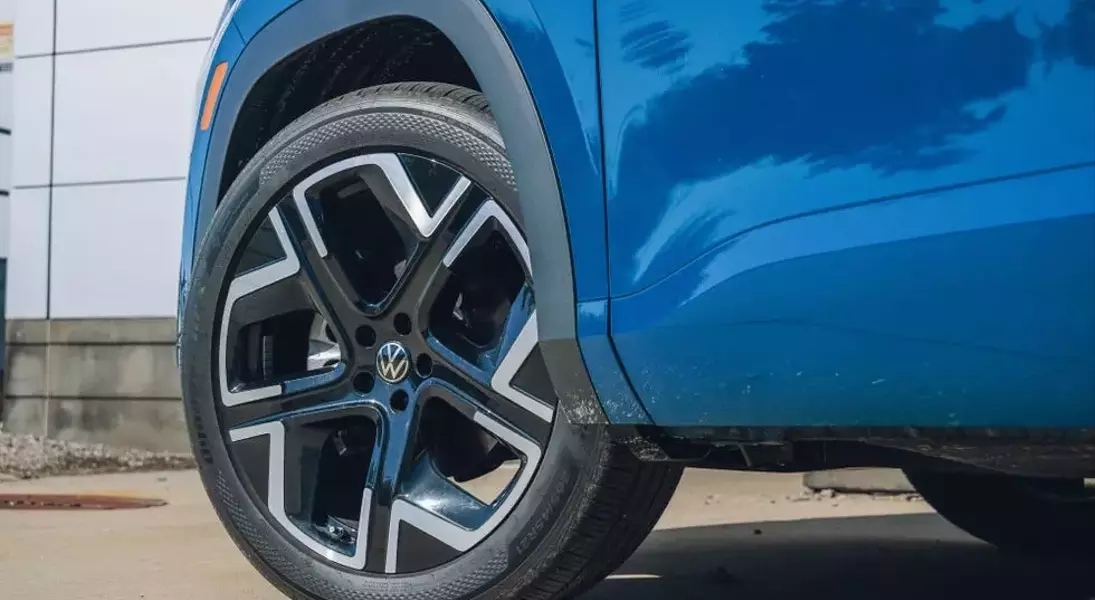
On the road, the new Atlas demonstrates a more composed and refined ride quality, absorbing road imperfections with greater sophistication. The steering provides accurate control, even if feedback to the driver is somewhat muted. The vehicle’s handling capabilities have seen slight improvements, evidenced by enhanced roadholding and a shorter 70–0 mph braking distance, possibly due to the new Hankook Dynapro HPX tires. Volkswagen's intention to elevate the Atlas into a more premium segment is evident in the cabin's improved material quality. The base SE model's price has increased to $43,135, reflecting a wealth of new standard features, including the 12.9-inch digital gauge cluster, Driver Experience Dial, power liftgate, advanced parking sensors, a nine-speaker sound system, dual wireless chargers, and sophisticated wood trim accents. Higher trims, such as the SEL R-Line and Premium R-Line, offer additional luxuries like a 15.0-inch touchscreen, illuminated exterior elements, 4Motion AWD, a 14-speaker Harmon/Kardon audio system, Nappa leather upholstery, massaging front seats, and a panoramic sunroof, further enhancing the Atlas's appeal as a refined and well-equipped three-row SUV.
The second generation of the Volkswagen Atlas successfully builds upon its core strengths, offering an expanded array of features and a more premium feel. While retaining its exceptional interior volume and ease of access, Volkswagen has significantly invested in elevating the cabin's design and technological offerings. The updated engine, despite a minor trade-off in acceleration, delivers improved fuel economy—a key consideration for many consumers today. Although a hybrid option is still on the horizon, expected during a future mid-cycle refresh, the current enhancements position the Atlas as a formidable contender in its class, ready to rival the best three-row SUVs available.
