Tesla has unveiled a more accessible iteration of its popular Model Y, aiming to broaden its appeal with a new entry-level variant for 2026. Priced at a more attractive $41,630, this version, previously known as the "Standard" model, represents a significant $5,000 reduction compared to its predecessor. While this cost-saving comes with certain modifications in features and design, the core performance and Tesla experience remain largely intact, making it an intriguing option for consumers seeking an electric SUV without the premium price tag.
This revised Model Y showcases a strategic move by Tesla to capture a wider audience, demonstrating that a lower price point doesn't necessarily mean a compromise on quality or the innovative spirit of the brand. Despite adjustments to exterior aesthetics, battery capacity, and interior amenities, the vehicle maintains its robust performance, offering quick acceleration and a notably comfortable ride. The inclusion of essential driver-assistance features, even with a subscription model for advanced functionalities, underscores Tesla's commitment to technology and safety, ensuring the base Model Y continues to be a competitive contender in the evolving electric vehicle market.
Design and Performance Adjustments in the Base Model Y
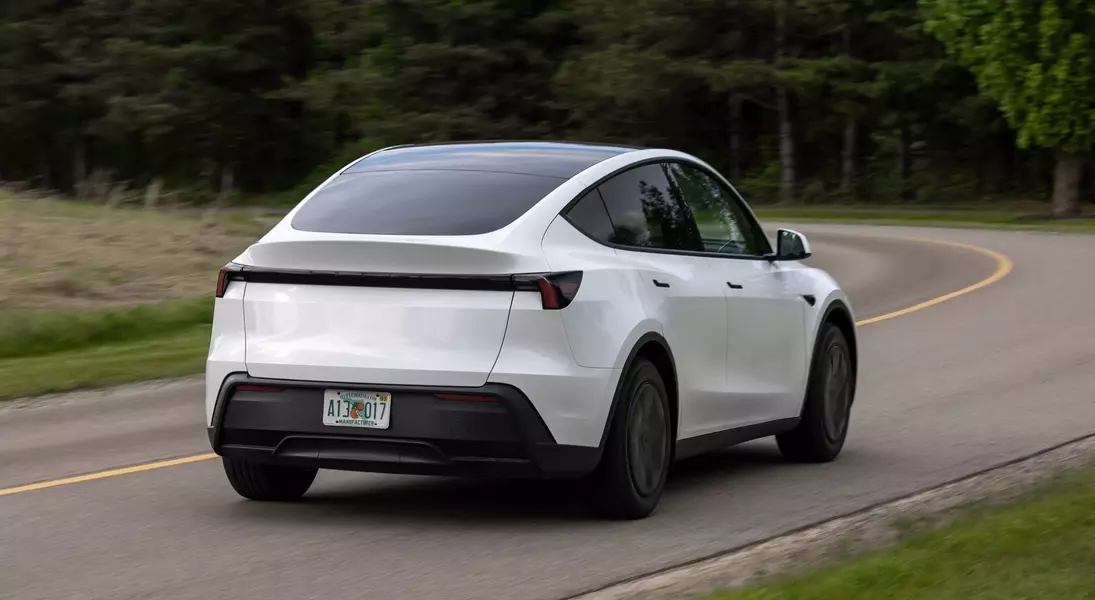
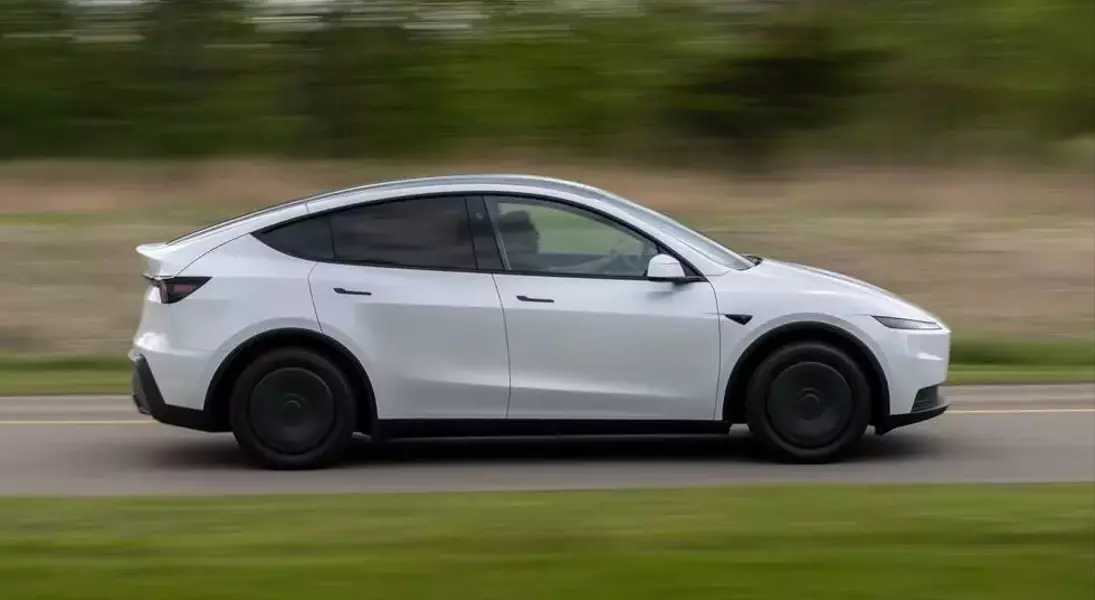
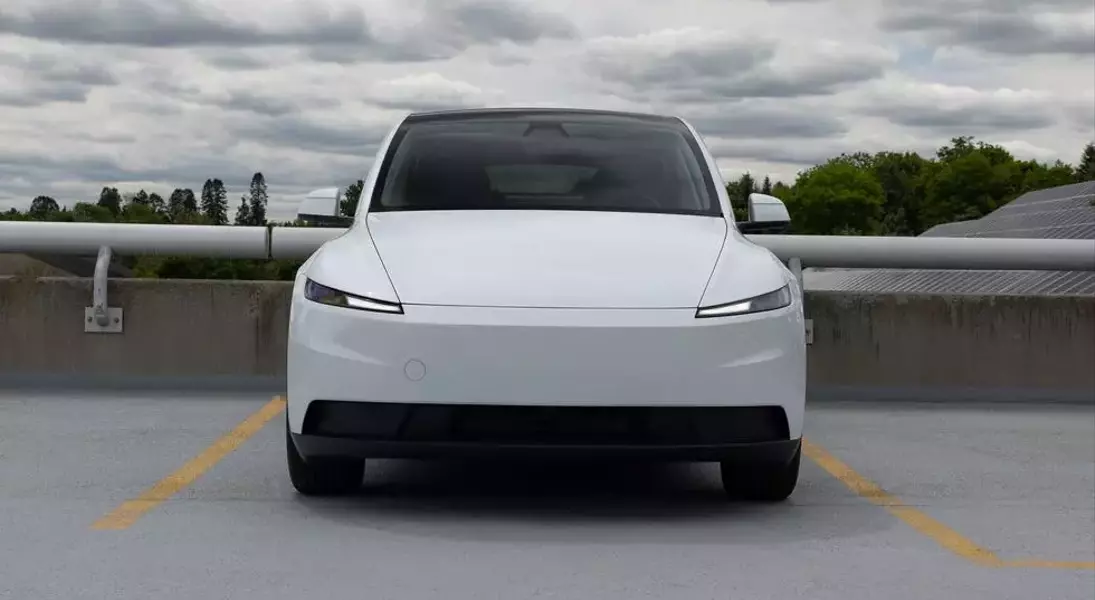
The 2026 Tesla Model Y base variant undergoes several notable changes to achieve its lower price point. Externally, the vehicle features a simplified lighting design, replacing the integrated light bars with more compact head and tail lights, and comes standard with 18-inch wheels, with 19-inch options available. Color choices are limited to gray, black, or white, reflecting a streamlined offering. Under the hood, the battery capacity is reduced to 70 kWh, impacting the EPA-estimated range, which stands at 321 miles for the RWD with 18-inch wheels. Despite these modifications, the RWD model still impresses with a 0-60 mph acceleration time of 5.9 seconds, while the AWD variant achieves an even faster 4.4 seconds, proving its dynamic capabilities.
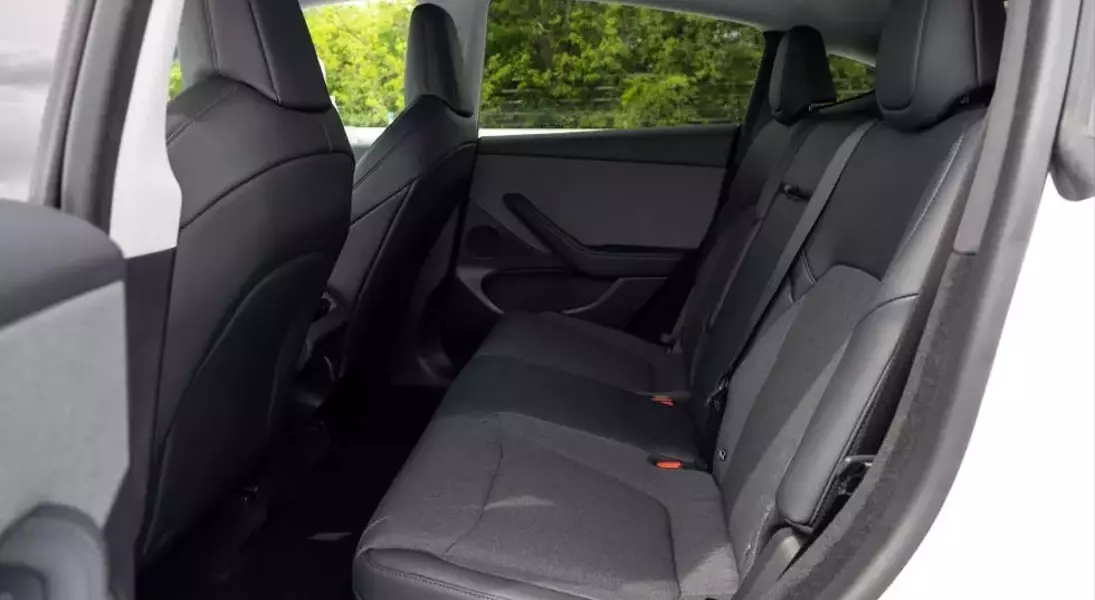
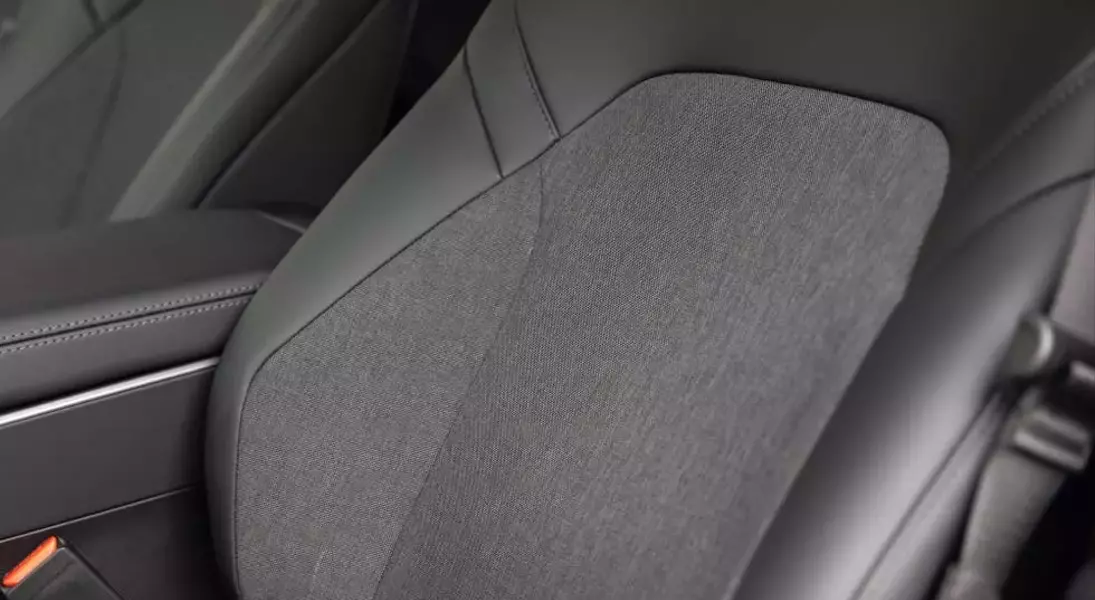
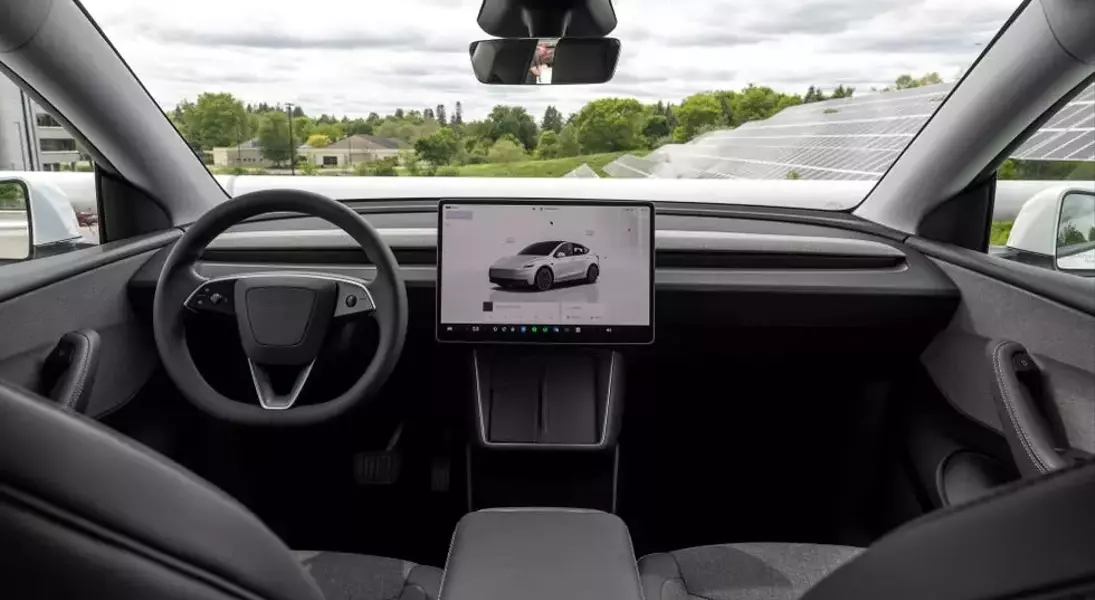
Inside, the cost-conscious approach is evident with changes such as a blend of vegan leather and textile for seating, repositioned seat controls to the central touchscreen, and the removal of front seat ventilation and rear seat heating. The rear passengers also lose their dedicated touchscreen, necessitating manual climate adjustments. Speaker count is reduced, and the HEPA filter is absent. A significant design alteration is the panoramic glass roof being covered by a headliner, a cost-effective measure that also helps with noise reduction. However, a redesigned center console, offering improved storage and device charging, along with a steering wheel that now features manual adjustability and a traditional turn signal stalk, are perceived as functional upgrades.
Driving Experience and Technology Integration
Despite the various feature adjustments, the base Model Y delivers a remarkably smooth and refined driving experience. The ride quality is excellent, with the vehicle tuned for comfort, effectively absorbing road imperfections, whether equipped with the standard 18-inch or optional 19-inch wheels. Its modest road adhesion, measured at 0.86 g on a skidpad, doesn't detract from an engaging driving feel, characterized by responsive steering and minimal body roll. The acceleration, while initially appearing subtle, quickly becomes robust, highlighting its potent powertrain. The lighter curb weight of 4004 pounds for the RWD and 4204 pounds for the AWD model contributes to its agile handling and acceptable braking performance, stopping from 70 mph in around 175 feet.
The vehicle retains its central 15.4-inch touchscreen, offering Tesla's comprehensive in-house technology stack. While smartphone mirroring is not available, most essential applications are integrated as native Tesla apps. The navigation system proved highly effective in managing heavy traffic, demonstrating its practical utility. Crucially, Tesla has maintained the full hardware and software for its "Full Self-Driving" (FSD) assisted driving mode. Although FSD requires a subscription after a free trial, adaptive cruise control is a standard feature. The absence of autosteer without the FSD subscription is a notable point, reflecting Tesla's strategy of offering advanced functionalities through a tiered access model, yet the vehicle's inherent capabilities remain robust.
