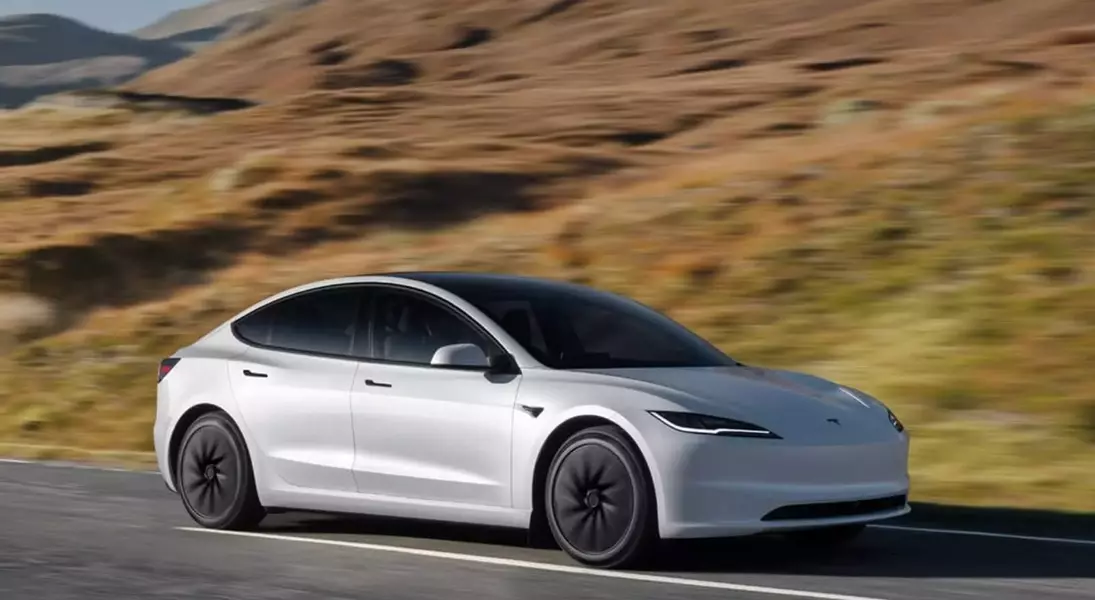
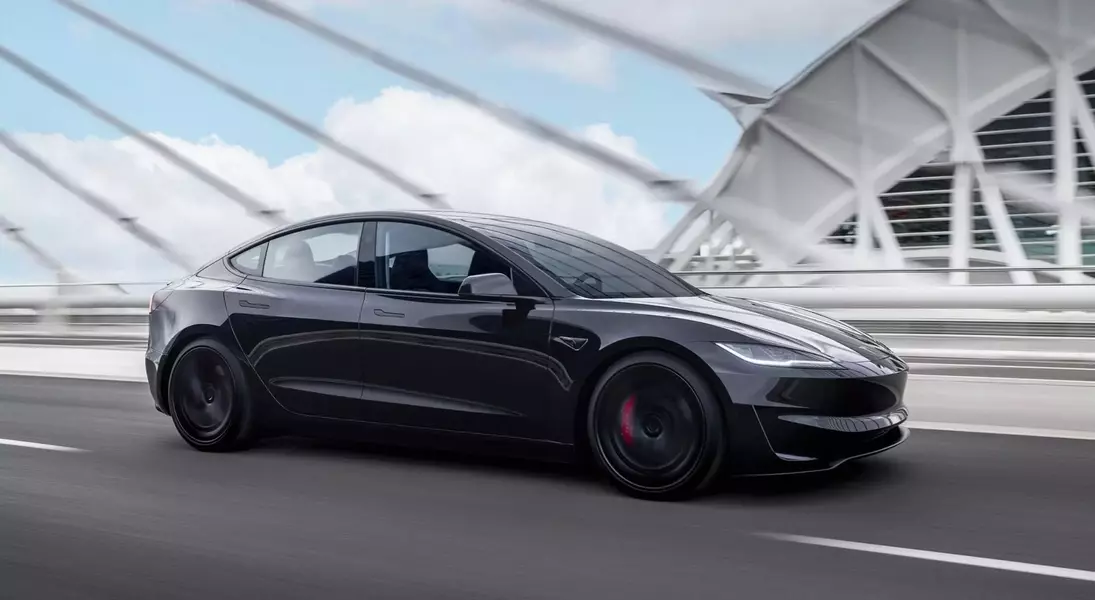
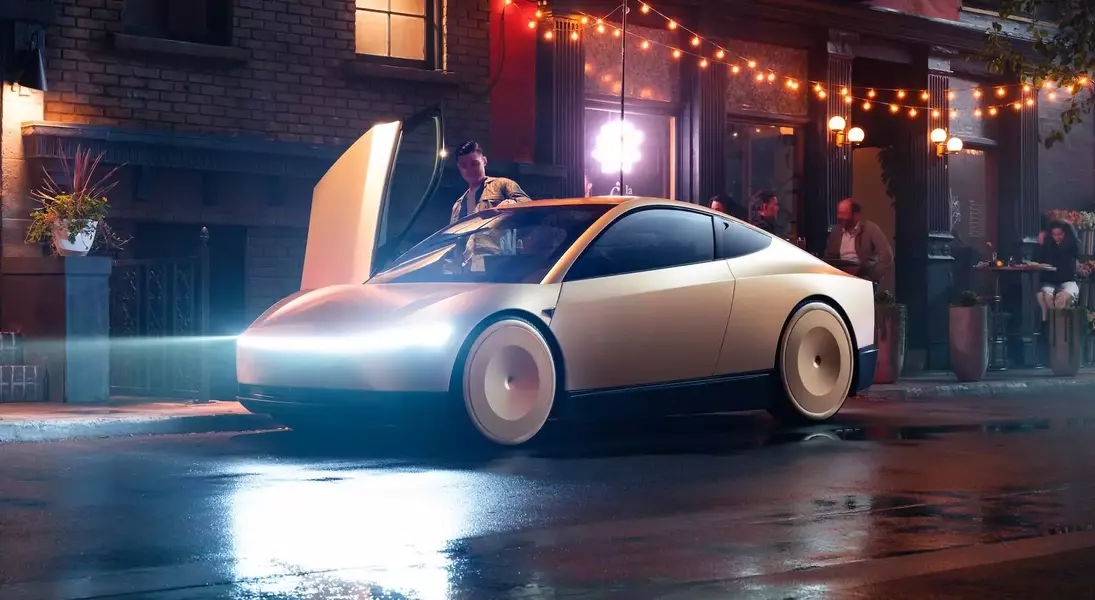
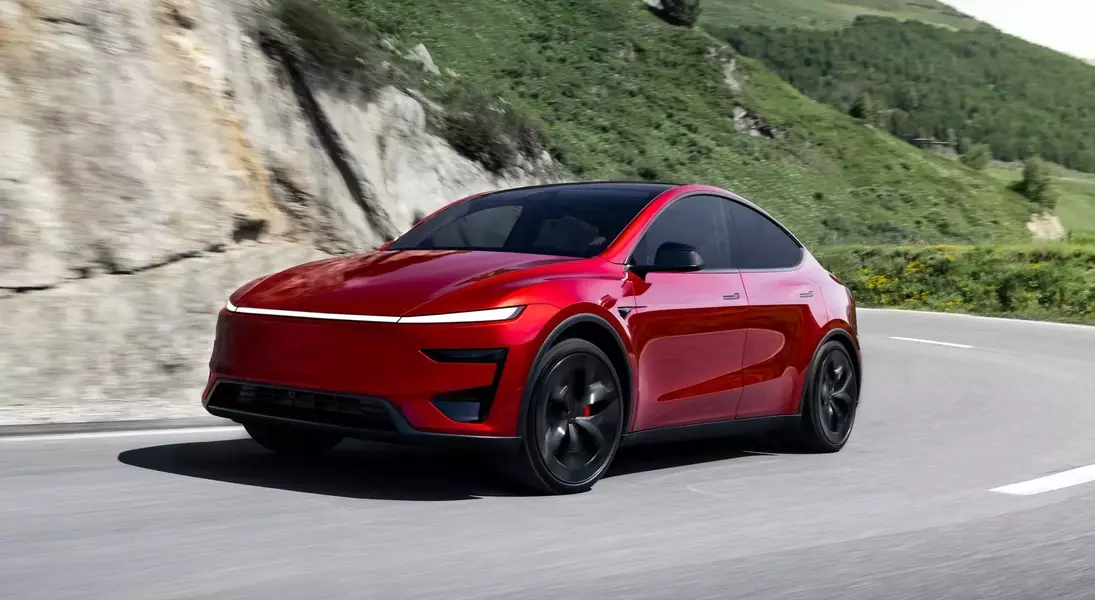
Tesla is poised to integrate components developed for its innovative Cybercab robotaxi into its consumer vehicle lineup, starting with the 2026 Model 3. This strategic move aims to streamline vehicle construction and power management by incorporating a simplified inverter design. This new inverter, featuring fewer electronic parts and compatibility with multiple suppliers, is intended to enhance manufacturing efficiency and mitigate risks associated with supply chain fluctuations. While the primary benefits are operational, these technological advancements underscore Tesla's continuous efforts to optimize its production ecosystem.
Integration of Cybercab's Advanced Inverter in Model 3
Tesla plans to equip its 2026 Model 3 with a new printed circuit board assembly and power stage, directly derived from the inverter technology developed for the Cybercab. This development was shared by Nick Verzini, Tesla’s head of drive unit engineering, during a factory tour with Munro Live. The inverter's crucial role is to convert the battery's DC power into the AC power needed to drive the motor, directly influencing both the vehicle's efficiency and manufacturing cost. The newly designed inverter boasts a significant reduction in electronic components compared to the current Model 3 inverter, although specific figures for this reduction were not disclosed. This design also accommodates parts from various suppliers, enhancing production flexibility.
The adoption of Cybercab's inverter technology in the Model 3 represents a significant step towards streamlining Tesla's manufacturing processes. By reducing the number of components and diversifying supplier options, Tesla aims to make its vehicles simpler and more economical to produce. This strategy also provides a buffer against supply chain disruptions, a common challenge in the automotive industry. While these enhancements are primarily focused on production efficiency, their potential long-term benefits for consumers could include more stable pricing and improved vehicle availability, although no immediate changes to range or price have been announced. The Cybercab itself targets an impressive efficiency of at least 6.1 miles per kWh, essential for its intended all-day operation as a robotaxi.
Implications for Tesla Owners and Future Developments
For prospective Tesla Model 3 owners, the integration of Cybercab's inverter technology is not projected to yield direct improvements in range or affect the vehicle's price. Instead, the benefits are primarily internal, revolving around a more resilient and efficient manufacturing process. By using fewer components and sourcing parts from multiple vendors, Tesla can reduce production complexity and its vulnerability to supply chain issues. Although there is no official confirmation for a similar update to the Model Y, the new inverter's design was confirmed to maintain full interface compatibility, suggesting potential future adaptations across the lineup. The true test of these innovations will be their tangible impact on vehicle reliability, overall cost-effectiveness, and real-world efficiency.
Furthermore, not all aspects of the Cybercab's drive system will be immediately transferred to passenger cars. For example, the Cybercab's front motor utilizes an 11:1 gear ratio, differing from the approximately 9:1 ratio found in many other Tesla models. It also replaces the electric oil pump with a mechanical one and integrates motor cooling channels into a more cost-effective aluminum housing. These specific changes are not yet confirmed for other Tesla models. The long-term success of these technological transfers will be measured by their ability to enhance the overall value proposition for Tesla owners, potentially through improved vehicle longevity and sustained performance, rather than immediate, drastic changes in specifications.
