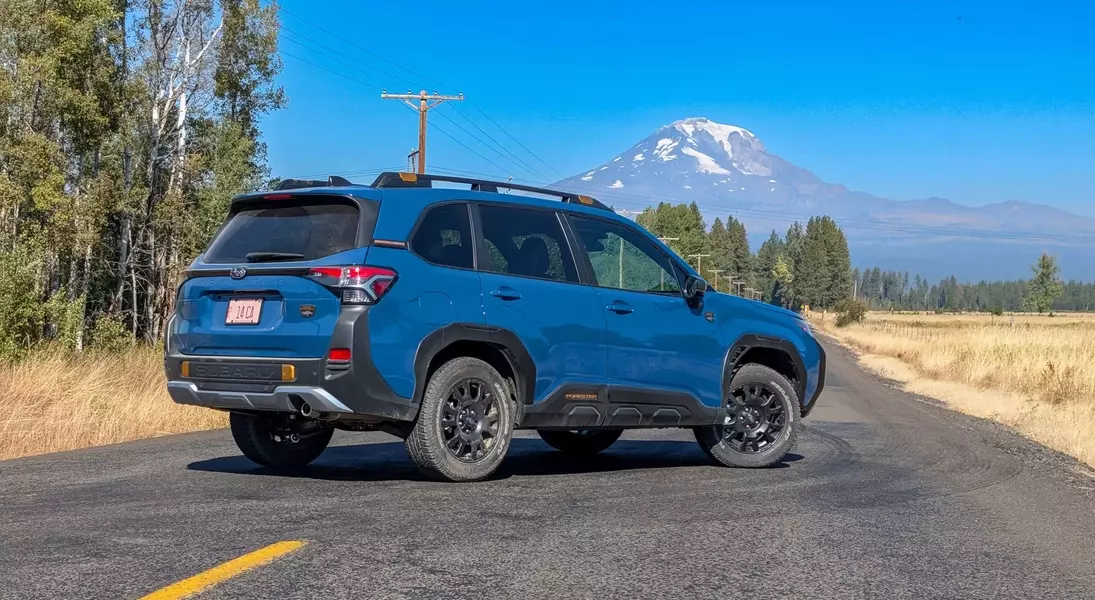
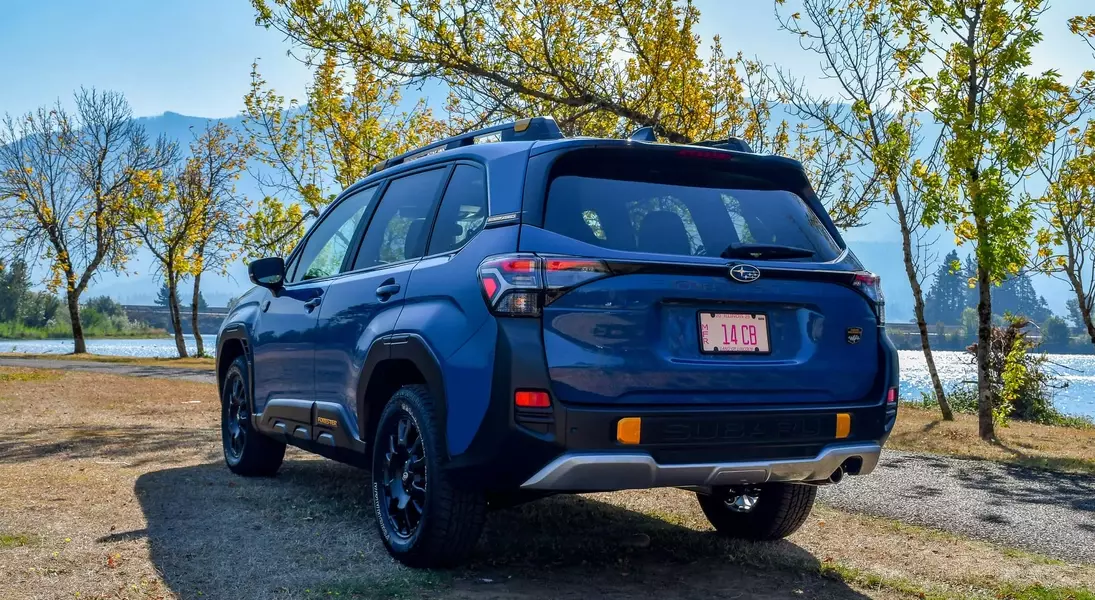
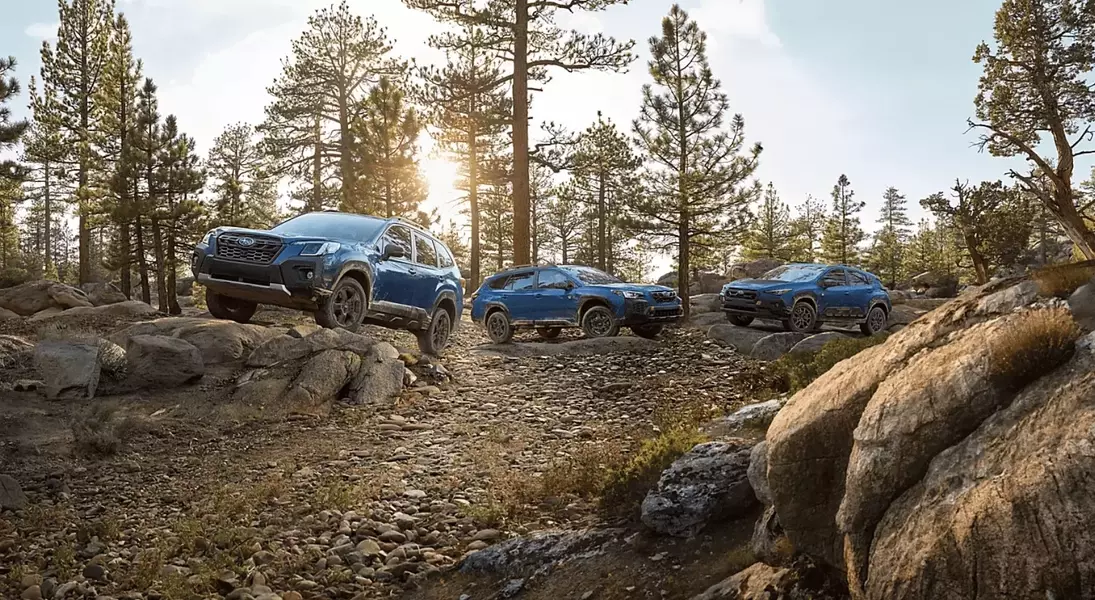
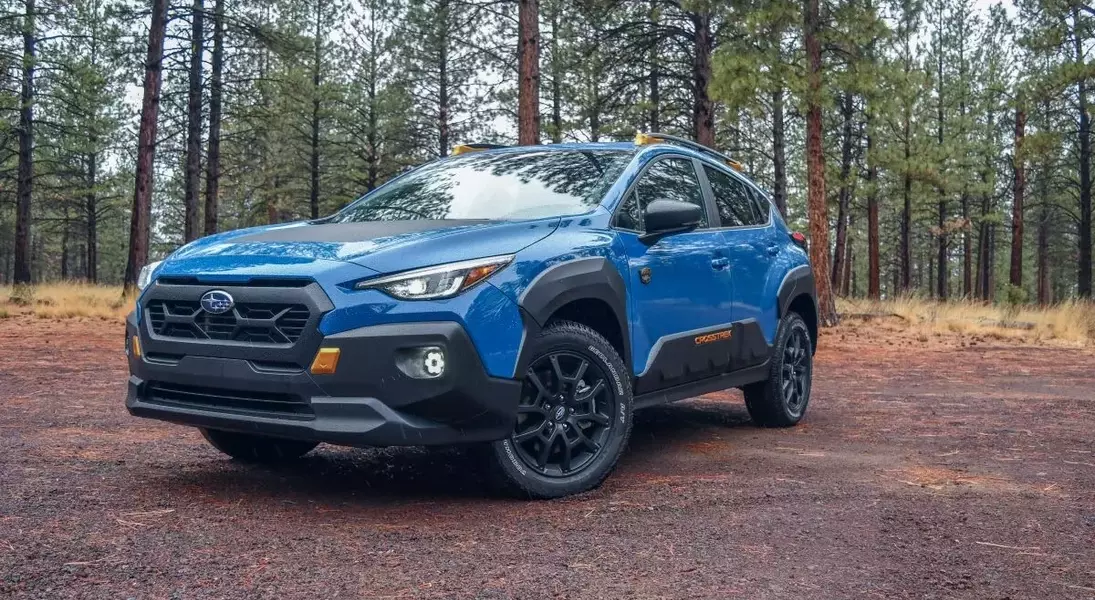
When considering Subaru's Wilderness lineup, each model presents unique advantages. The Outback Wilderness boasts impressive power and generous cargo capacity, making it suitable for those prioritizing performance and space, though it comes at a premium. Conversely, the Crosstrek Wilderness offers an economical entry into off-road adventures, excelling in maneuverability and fuel efficiency, but its compact size may not suit growing families. The 2026 Forester Wilderness, however, distinguishes itself by harmonizing these aspects, providing a well-rounded option that meets diverse needs without compromising on utility or value. This strategic positioning makes it an ideal selection for everyday use, comfortably accommodating family life and weekend excursions alike.
The Ideal Balance: Why the Forester Wilderness Excels for Families
The 2026 Subaru Forester Wilderness emerges as the most pragmatic choice within the Wilderness series, particularly for families seeking a versatile vehicle. While its siblings, the Outback and Crosstrek, cater to specific preferences—the Outback for sheer power and expansive room, and the Crosstrek for budget-conscious off-roading—the Forester seamlessly blends the most desirable attributes of both. It offers a spacious and comfortable cabin, essential for daily commutes and family trips, without the bulkiness or higher price tag of the Outback. Equipped with Subaru’s signature off-road enhancements, it confidently tackles varied terrains, ensuring reliability and safety for all adventures. Its thoughtful design prioritizes passenger comfort, visibility, and cargo management, making it an everyday hero.
Unlike the Outback Wilderness, which might be overkill for many families due to its turbocharged engine and elevated cost, or the Crosstrek Wilderness, which can feel constrained with car seats and additional gear, the Forester Wilderness finds the sweet spot. It provides ample cargo space, nearly matching the Outback's practicality, and its unique tall roofline significantly enhances interior airiness and ease of access, especially when installing child safety seats. The standard panoramic sunroof further elevates the passenger experience, creating an open and enjoyable environment. Moreover, its naturally aspirated 2.5-liter engine delivers efficient and dependable performance, outperforming the Outback in city mileage. The Forester's manageable dimensions and excellent visibility make it particularly user-friendly on challenging trails, inspiring confidence even for novice off-roaders. With a starting price that is considerably more accessible than a fully-loaded Outback, the Forester Wilderness presents a compelling value proposition, offering robust features, advanced safety systems, and modern technology without a premium price tag.
Understanding the Wilderness Lineup: Outback and Crosstrek
Each model in the Subaru Wilderness family—the Outback, Crosstrek, and Forester—is designed with distinct characteristics that appeal to different segments of the adventure market. The Outback Wilderness, positioned as the powerhouse, boasts a formidable turbocharged engine delivering 260 horsepower, making it unmatched for towing and rapid acceleration. Its expansive interior and largest cargo capacity also cater to those who frequently embark on extensive road trips or carry substantial equipment. However, these benefits come at a higher financial investment, with top-tier models approaching $50,000, which might be a deterrent for cost-conscious buyers. The Crosstrek Wilderness, on the other hand, embodies agility and affordability, serving as an entry-level option for light off-roading enthusiasts. Its compact footprint, impressive fuel economy, and lower starting price make it attractive for singles, couples, or pet owners. Nevertheless, its smaller dimensions pose significant challenges for families, especially when accommodating multiple child seats or bulky items, limiting its practicality for everyday family use.
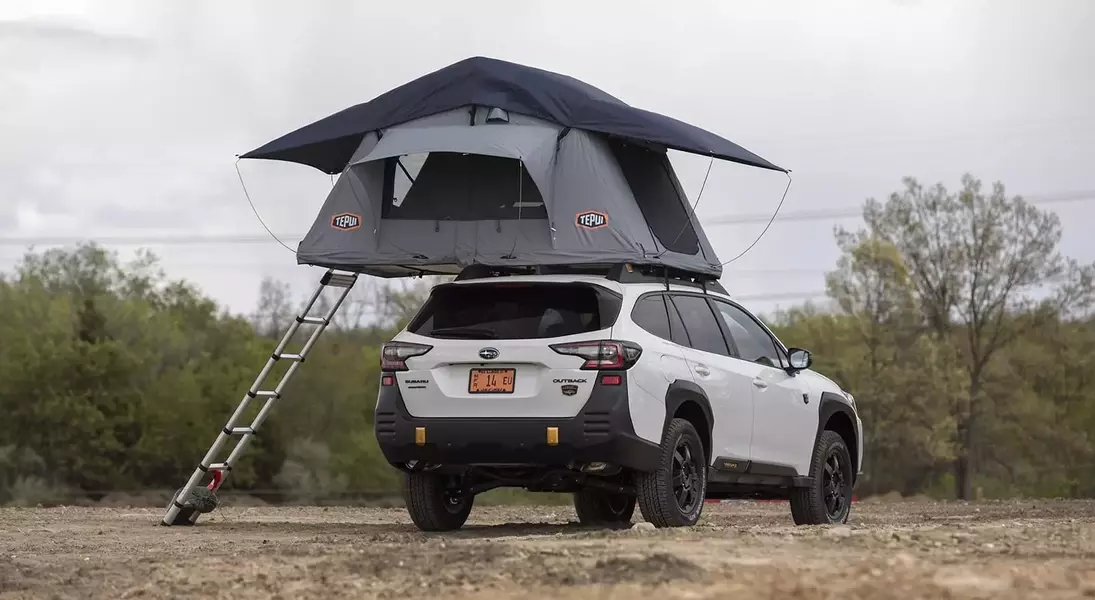
The Outback Wilderness stands out with its potent 2.4-liter turbo Boxer engine, shared with performance models, ensuring seamless merging and confident passing capabilities. Its spacious cabin, generous wheelbase, and 32.6 cubic feet of cargo volume are perfect for large families or those needing to transport considerable gear like rooftop tents or multiple kayaks. Despite its advantages, the Outback's premium pricing, reaching upwards of $49,000 for a fully equipped model, reflects its enhanced power and size. In contrast, the Crosstrek Wilderness offers exceptional off-road prowess due to its short wheelbase and superior approach/departure angles, complemented by all-terrain tires. Priced starting at a more modest $33,795, it also delivers commendable fuel efficiency, averaging around 28 mpg. Yet, its practical application for families is constrained; the narrow trunk opening and tight rear seating—especially with car seats—can quickly become inconvenient. The absence of a sunroof, standard in its larger counterparts, can also make the cabin feel less open. While ideal for individuals or small groups, the Crosstrek's limited space makes it less suitable for the evolving demands of a family, particularly when considering long-term use and the need for adaptable cargo solutions.
