

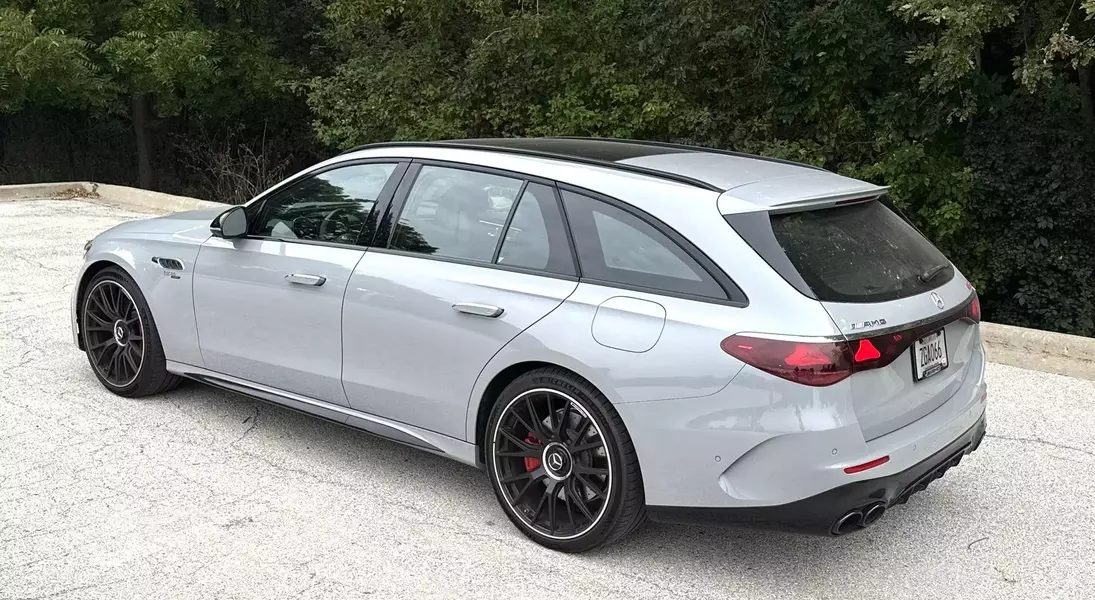
While the 2026 Mercedes-AMG E 53 Hybrid Wagon stands as a marvel of engineering, combining formidable power with luxury, its practical application reveals several frustrating aspects. This vehicle, positioned among elite performance wagons, delivers exhilarating drives thanks to its hybrid powertrain, adaptive suspension, and all-wheel drive. Yet, its advanced technology, particularly the MBUX Superscreen, introduces complexities that hinder user experience. Furthermore, its design choices compromise interior space and ergonomic functionality, raising questions about its suitability as a versatile family car. These issues collectively detract from what could otherwise be an unparalleled driving machine.
The Mercedes-AMG E 53 Hybrid Wagon boasts a combined output of 577 horsepower from its 3.0-liter inline-six engine and electric motor, enabling it to accelerate from 0 to 60 mph in a mere four seconds. This plug-in hybrid electric vehicle also offers an electric-only range of 41 miles. Its performance is further enhanced by adaptive suspension, rear-axle steering, and all-wheel drive, ensuring dynamic handling across various driving conditions. However, the author's hands-on experience revealed that these impressive specifications do not translate into an entirely flawless ownership experience.
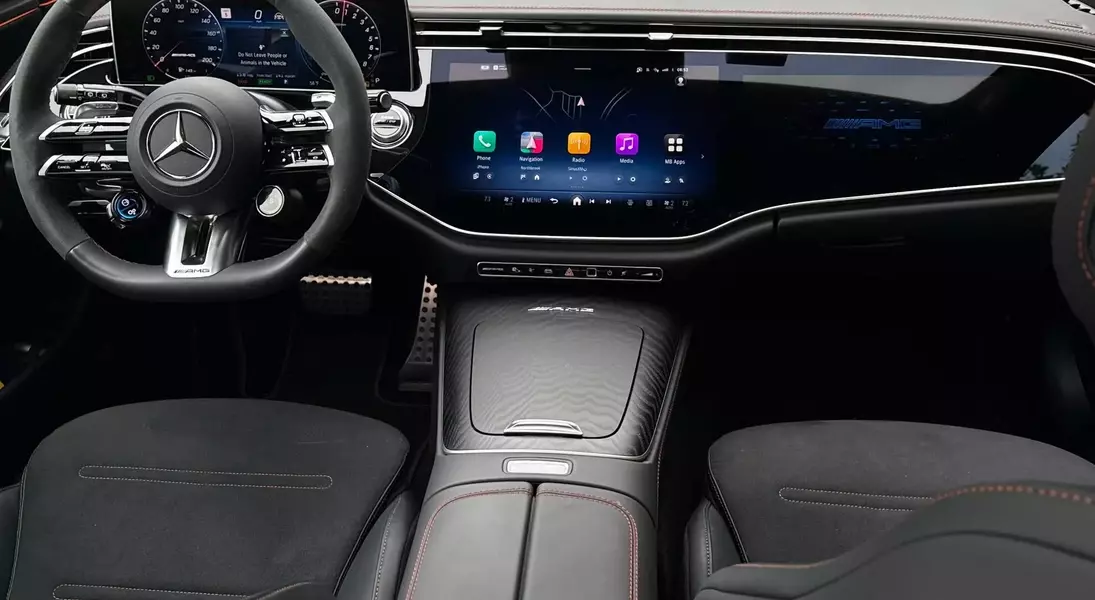
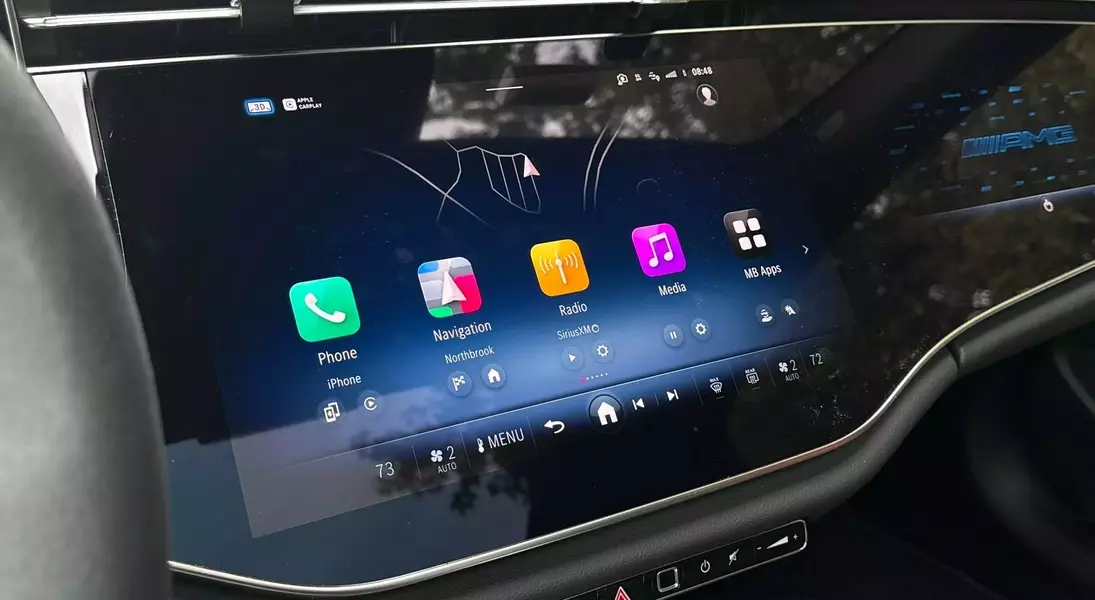
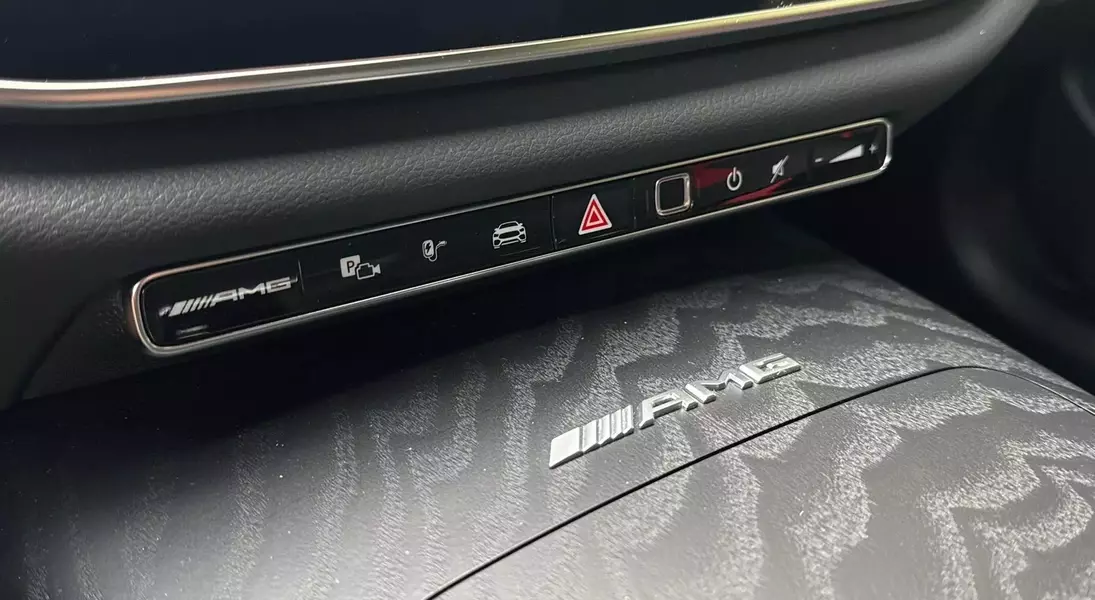
One of the primary sources of dissatisfaction stems from the vehicle's highly advanced but overly complex MBUX Superscreen. This optional feature integrates a 12.3-inch digital instrument cluster, a 14.4-inch central multimedia touchscreen, and an additional 12.3-inch display for the front passenger. While the 3D instrument cluster offers a visually striking effect, it's largely deemed an unnecessary luxury that adds to the system's complexity. The author found the interface to be unintuitive, with crucial functions like climate control buried deep within multiple menu layers, requiring drivers to divert their attention from the road—a significant safety concern. Adjusting audio settings also proved cumbersome, relying on an imprecise touchpad slider and haptic feedback controls on the steering wheel that often failed to register desired inputs accurately. This over-reliance on touch-based controls, abandoning traditional physical knobs, makes everyday adjustments a source of frustration rather than convenience.
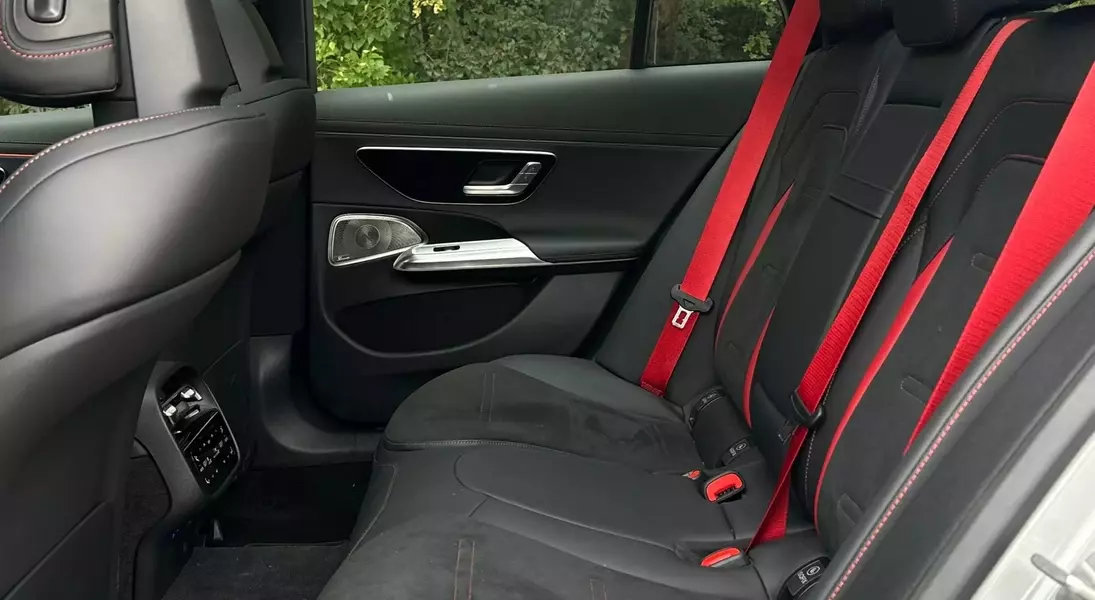
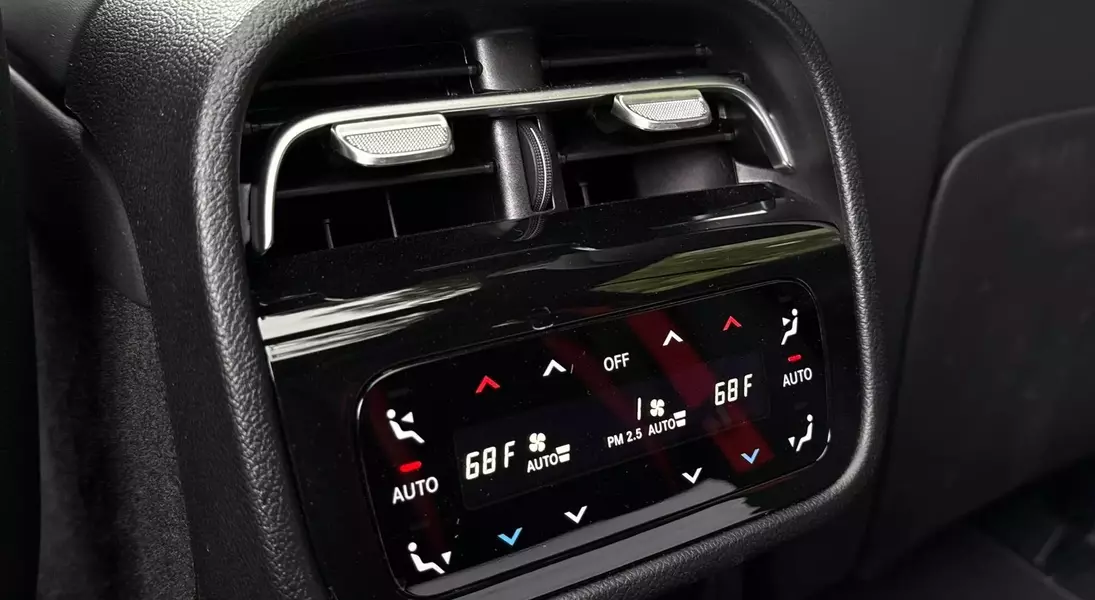
Despite its luxurious appeal, the E 53 Hybrid Wagon falls short in terms of practicality, particularly for a vehicle marketed as a station wagon. Rear passenger comfort is compromised by limited legroom and headroom, especially for taller occupants seated behind 6-foot-tall drivers. The middle rear seat is notably uncomfortable, featuring a large transmission tunnel and rear climate console that severely restricts legroom, making it unsuitable even for a child on short journeys. This spatial limitation is stark when compared to competitors like the Audi RS 6 Avant, which offers superior rear passenger dimensions. Compounding the issue, the early production 2026 models lacked heated rear seats—a surprising omission for a vehicle with a starting price exceeding $112,000. While Mercedes-Benz has rectified this for the 2027 model year by offering heated rear seats as a no-cost option, its initial absence highlights a puzzling oversight in a high-end family vehicle.
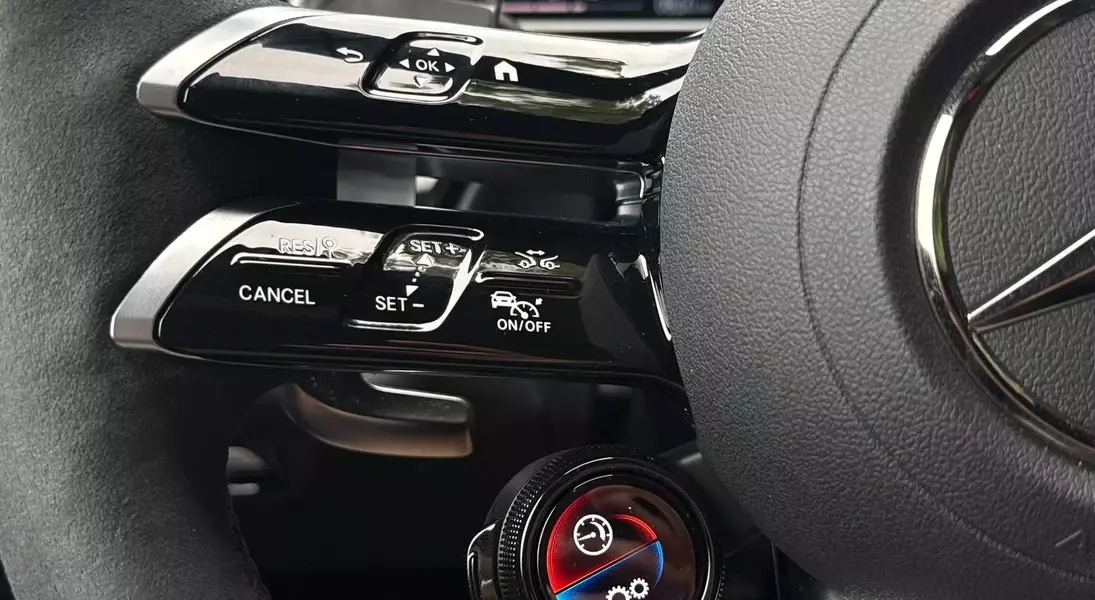
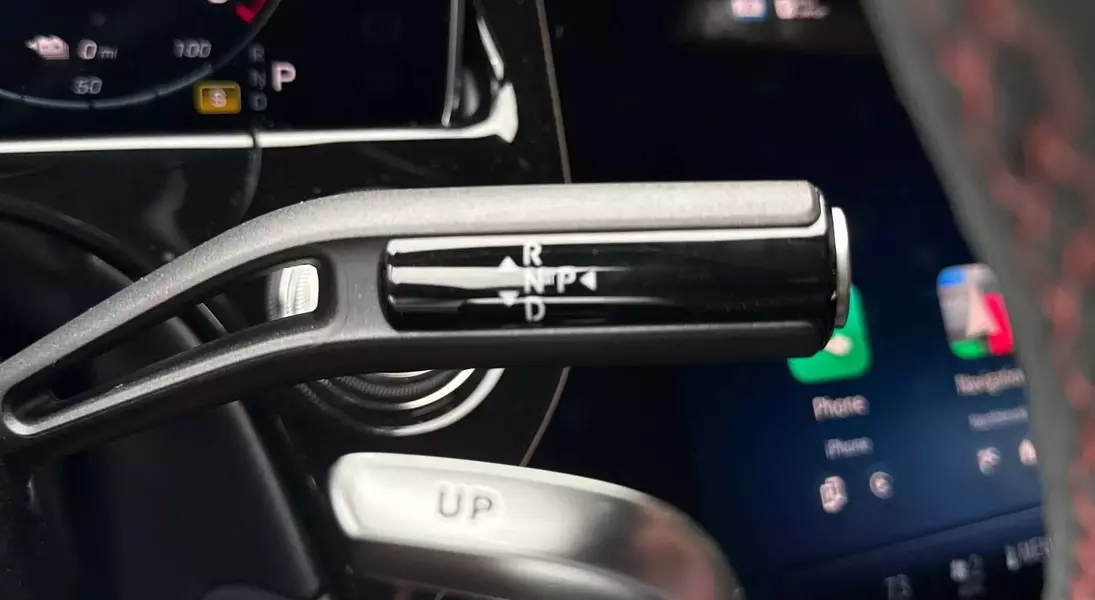
The steering wheel controls and shifter mechanism further contribute to the car's ergonomic woes. The steering wheel features four horizontal spokes with capacitive touch controls for managing various vehicle functions, including the instrument cluster, adaptive cruise control, driver assistance systems, and infotainment. While designed to be comprehensive, these controls are criticized for their imprecision and the necessity of visual confirmation for operation, undermining the benefits of muscle memory. The column-mounted shifter stalk, another point of contention, operates with a noticeable delay and frequently defaults to neutral when attempting quick three-point turns, leading to operational inefficiencies and driver frustration. The author argues that a more traditional electronic shifter on the center console would offer a more natural and responsive experience.
Ultimately, the 2026 Mercedes-AMG E 53 Hybrid Wagon, while impressive in its performance capabilities and sophisticated design, is plagued by user-interface and practicality issues that diminish its appeal as a daily driver and family vehicle. The intricate screen system, inadequate rear passenger space, and flawed control mechanisms create a disconnect between its luxurious promise and its real-world usability. These elements, though seemingly minor, coalesce into significant deterrents for potential buyers who expect a seamless and comfortable experience from a premium-segment automobile. Such considerations are crucial for a vehicle that commands a six-figure price tag, especially when cross-shopping with other high-performance wagons and even more affordable SUVs that offer superior practicality.
