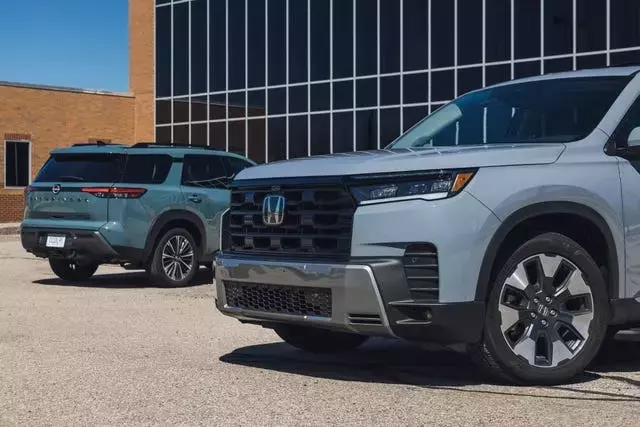
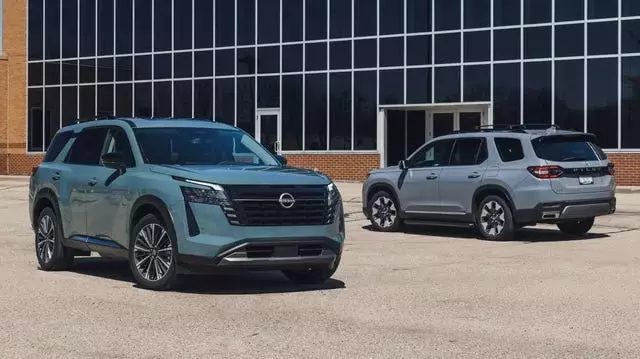

In the competitive landscape of three-row SUVs, the Honda Pilot and Nissan Pathfinder stand out as consistently popular choices. Both models, recently updated for 2026, forgo flamboyant designs and cutting-edge hybrid powertrains in favor of a straightforward, family-oriented approach. This comprehensive analysis pits the top-tier 2026 Pilot Elite against the 2026 Pathfinder Platinum to identify which vehicle delivers a more compelling proposition to discerning buyers.
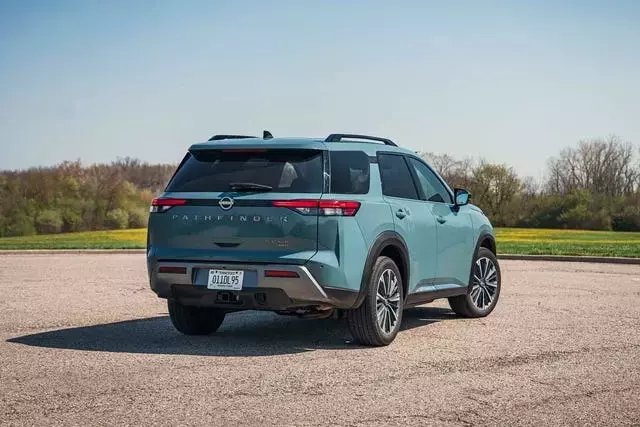
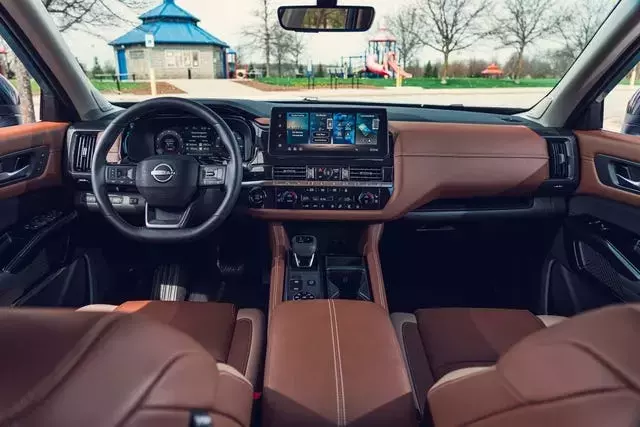
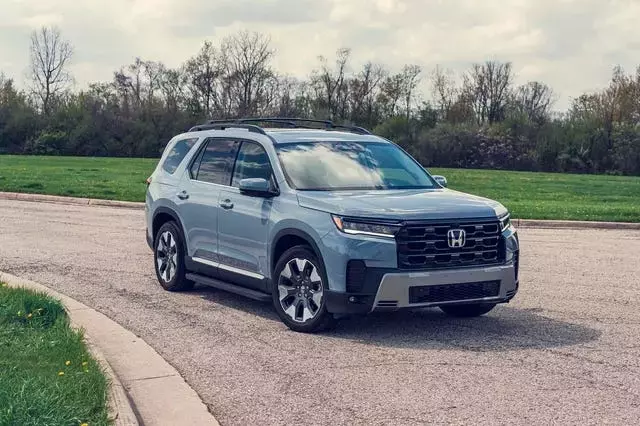
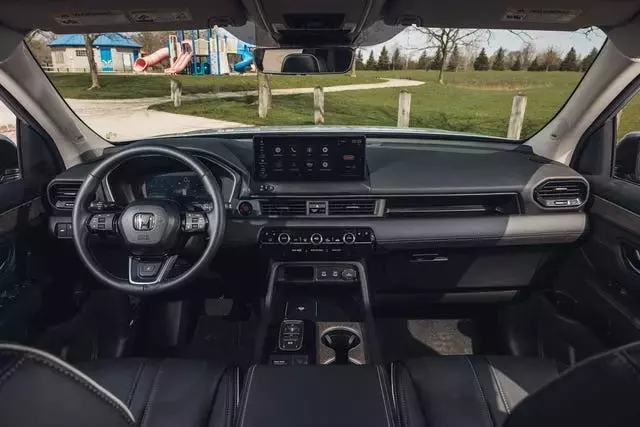
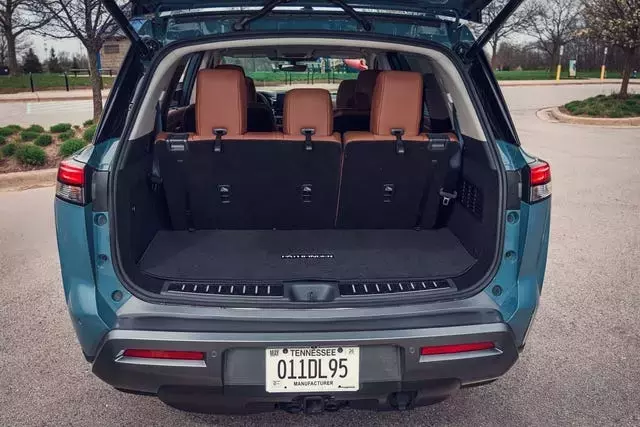
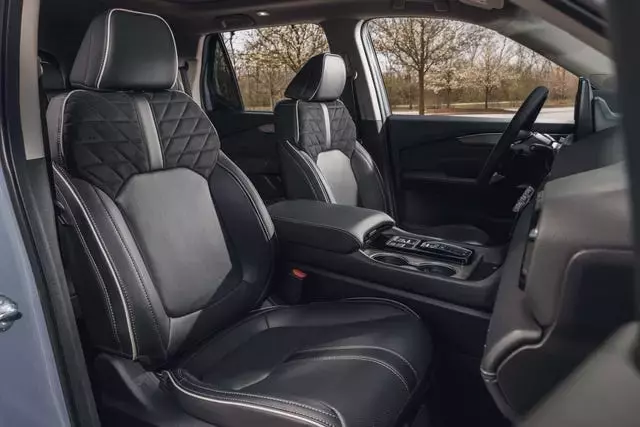
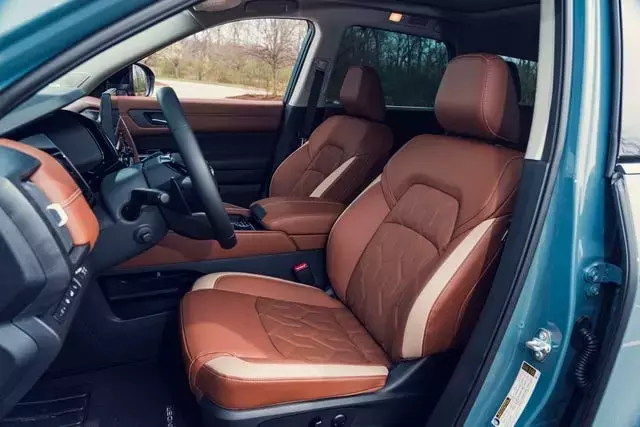
When examining the external aesthetics, the Pathfinder, with its distinctive blue hue, exudes more character than the Pilot. The Nissan's design language leans towards a more defined, angular profile, contrasting with the Honda's softer, more rounded appearance, which, despite a refreshed grille for 2026, still projects a less assertive image. Inside the cabin, the Pathfinder's thoughtful material selection, including premium brown leather in the Platinum variant, creates a more visually engaging environment. However, the Pilot excels in practical ergonomics and interior layout, crucial considerations for families. It offers superior storage solutions within the center console and door panels. While the Pathfinder's dashboard controls are intuitive, its infotainment system suffers from responsiveness issues and small on-screen buttons, unlike the Pilot's more user-friendly interface, despite its omission of SiriusXM satellite radio.
Passenger accommodation further highlights the Pilot's strengths. While the Pathfinder offers an eight-passenger configuration with a bench seat, its second-row captain's chairs were found to be less spacious and comfortable. The Pilot's three-across second-row bench provides greater width and a more open feel. Although the Pathfinder offers slightly better third-row comfort, both SUVs' rearmost seating is best suited for children on shorter journeys, with limited space for adults on extended trips.
Under the hood, both SUVs feature reliable, naturally aspirated V-6 engines. The Pilot's engine offers a smoother operation, but the Pathfinder demonstrates better acceleration, reaching 60 mph in 6.8 seconds compared to the Pilot's 7.3 seconds. On highways, the Pilot's 10-speed automatic transmission provides a more immediate response than the Pathfinder's nine-speed unit, compensating for its slightly slower acceleration. Fuel efficiency figures are closely matched, with the Pathfinder rated at 22 mpg combined and the Pilot at 21 mpg. However, in real-world highway driving tests at 75 mph, the Pilot achieved 27 mpg, surpassing the Pathfinder's 25 mpg. For towing needs, the Pathfinder has a higher capacity, capable of pulling up to 6000 pounds, whereas the Pilot is limited to 5000 pounds.
The driving dynamics also differentiate these two vehicles. The Pilot offers a more composed and reassuring ride, particularly on winding roads, with light and precise steering and a smoother overall ride quality. The Pathfinder, conversely, exhibits a bouncier ride, akin to a truck, and its less communicative steering can diminish driver confidence. Despite the Pilot's occasional slight floatiness on highways, its comfortable compliance is generally preferred over the Pathfinder's stiffer suspension. Both vehicles are well-suited for long road trips, with the Pathfinder providing a notably quieter cabin, registering 66 decibels at 70 mph, just one decibel less than the Pilot, which experiences slightly more wind noise but remains a pleasant environment.
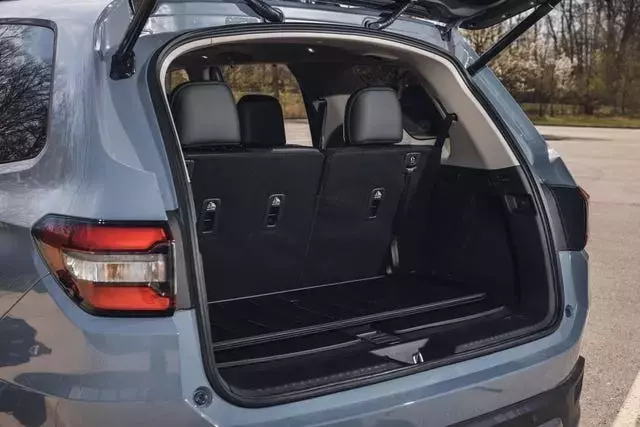
Ultimately, while the Nissan Pathfinder boasts a more attractive exterior and interior design, the Honda Pilot emerges as the victor in this comparison due to its superior practicality and refined driving experience. It delivers a more adaptable interior, a more comfortable everyday drive, and greater fuel efficiency in real-world conditions, alongside a more intuitive infotainment system and increased cargo capacity. These advantages collectively outweigh its minor shortcomings in acceleration and towing. For those seeking a well-rounded and family-friendly three-row SUV, the Honda Pilot represents the more advantageous investment.
