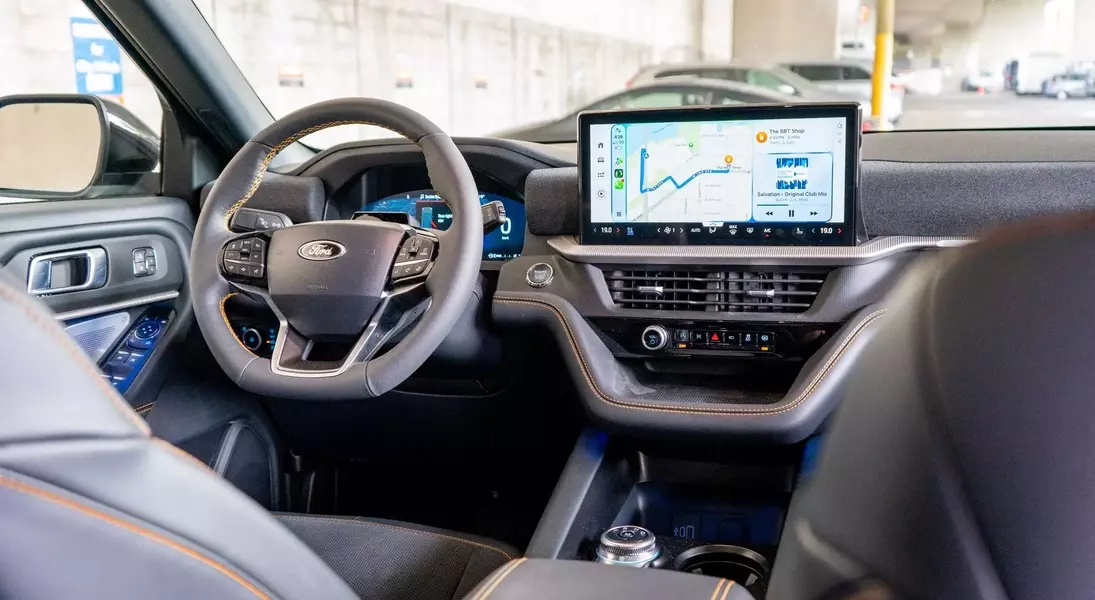

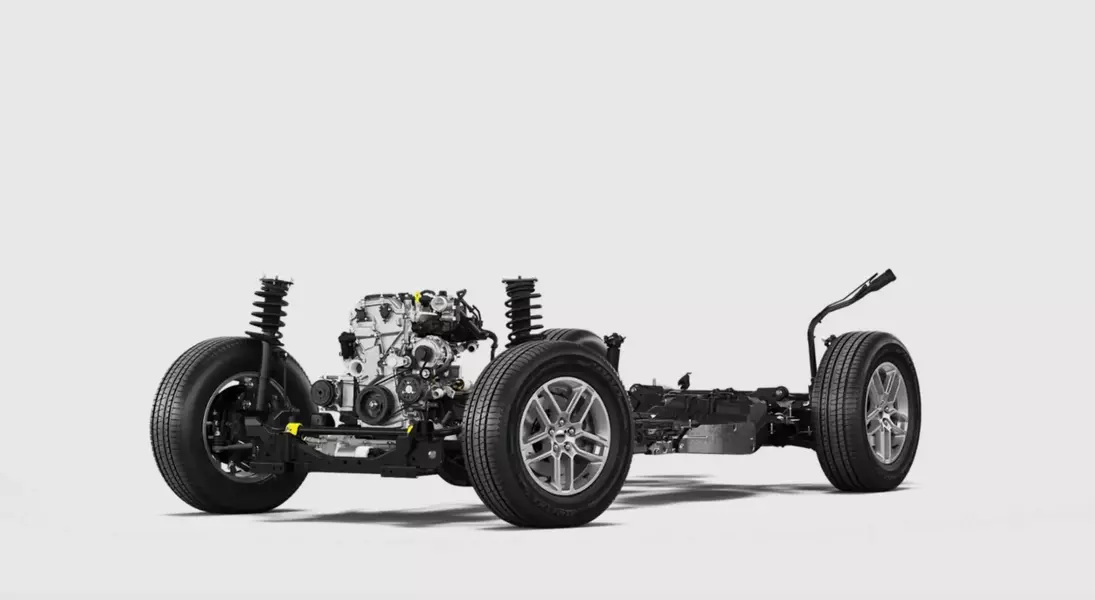

Ford, a prominent automotive manufacturer, has recently announced its 64th recall for the year, focusing on a select group of its 2026 Explorer models. This particular recall targets vehicles equipped with the 2.3-liter EcoBoost four-cylinder turbocharged engine, which is the standard power plant for the SUV, delivering 300 horsepower and 310 lb-ft of torque. The urgency of this recall stems from the potential for engine failure caused by seizing connecting rod bearings, a serious mechanical flaw that could lead to a loss of propulsion and, in severe cases, an engine block breach posing a fire risk. Remarkably, Ford's swift identification and containment of the problem to a very limited production timeframe highlight their proactive approach to vehicle safety, aligning with prior commitments from CEO Jim Farley to address issues promptly.
The investigation into this critical defect began on July 23, 2026, when Ford's Internal Combustion Engines Propulsion Thermal Systems Engineering (IPTSE) Quality team alerted the Automotive Safety Office (ASO) about ten replaced Explorer engines displaying signs of seized #2 connecting rod bearings. Further analysis revealed that all affected engines were manufactured within a specific 30-minute window at the Dearborn Engine Plant. This narrow timeframe was linked to a polishing shoe replacement in the production process, which caused a measurable shift in the crankshaft's #2 crank pin dimensions. Although the precise root cause of this mean-shift is still under investigation, Ford's immediate action to issue a recall on August 13, 2026, demonstrates a dedication to minimizing potential risks for consumers.
Given the severity of the defect, owners of the affected 2026 Ford Explorer models should remain vigilant for any unusual knocking sounds from their engines, as these could signify impending failure. Ford plans to notify all registered owners by August 26, 2026, and will facilitate complimentary engine long block replacements for all recalled vehicles. While the company's EcoBoost engine lineup has seen some historical reliability concerns, this current recall involves a minuscule number of vehicles relative to the 126,925 Explorer units sold in the first half of 2026 alone. This limited scope suggests that the issue is not indicative of widespread problems with the 2.3L EcoBoost engine, reinforcing confidence in the model's overall reliability.
This incident serves as a reminder of the continuous dedication required from manufacturers to ensure the safety and reliability of their products. Ford's transparent and rapid response to this manufacturing anomaly, identifying the issue within a confined production period and promptly initiating a recall, exemplifies a responsible corporate ethos. By taking decisive action and offering no-cost remedies, Ford not only protects its customers but also upholds its reputation for quality and safety in the automotive industry. This proactive stance is essential in fostering consumer trust and ensuring that even isolated manufacturing defects are addressed with the utmost care and efficiency.
