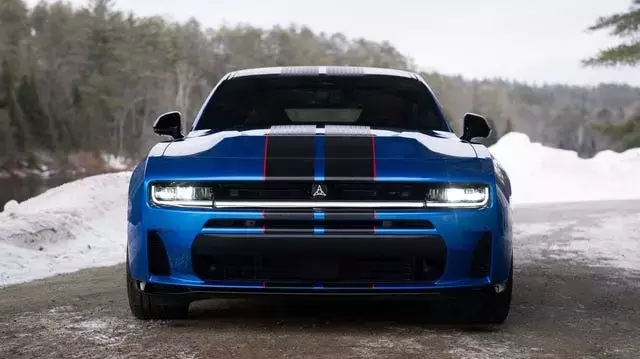
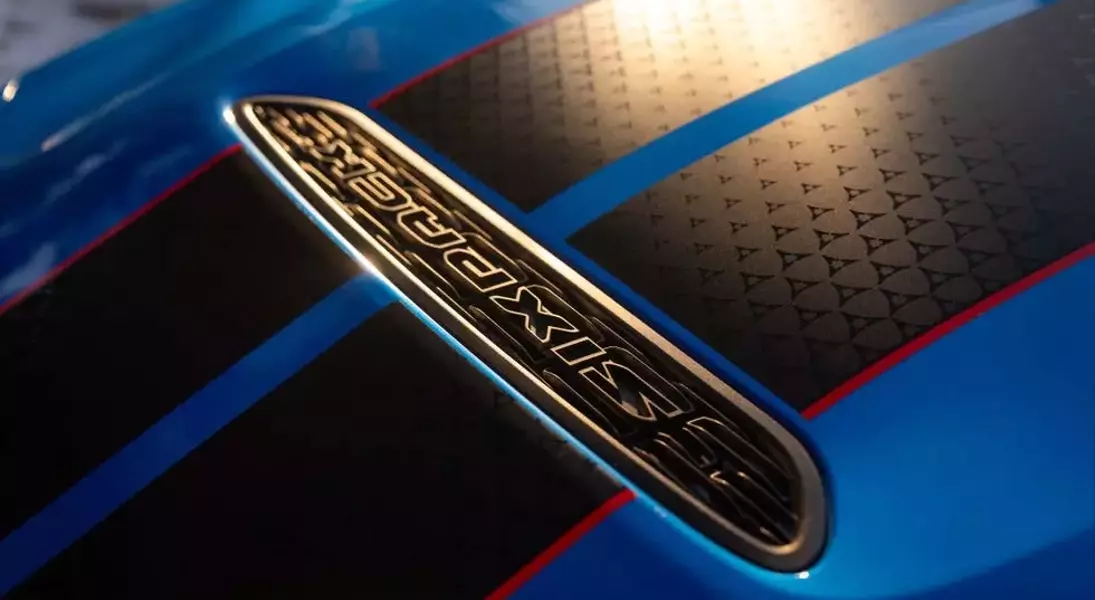
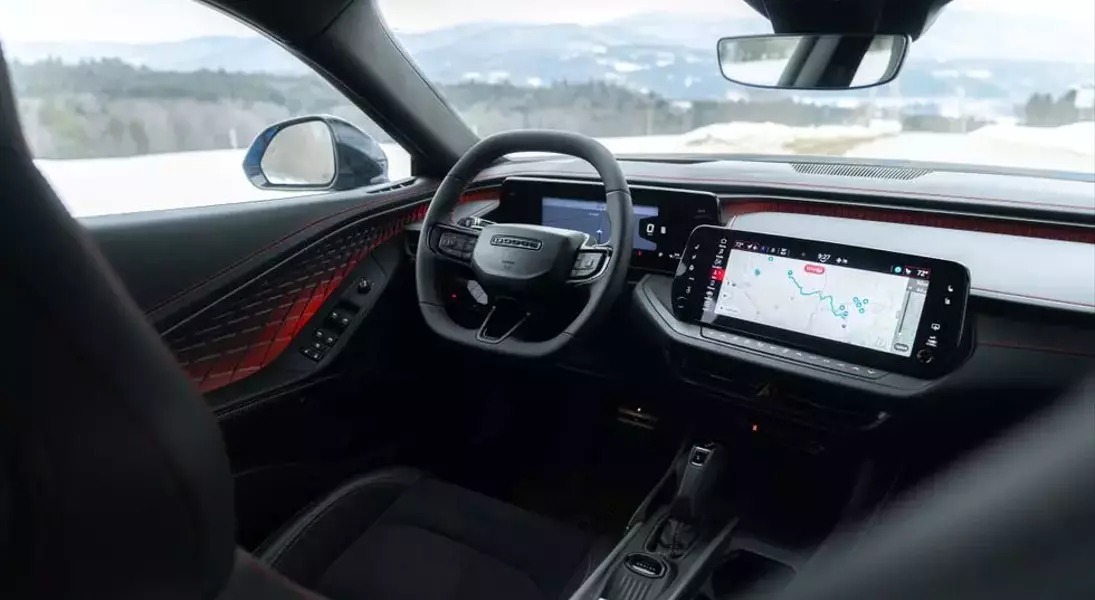
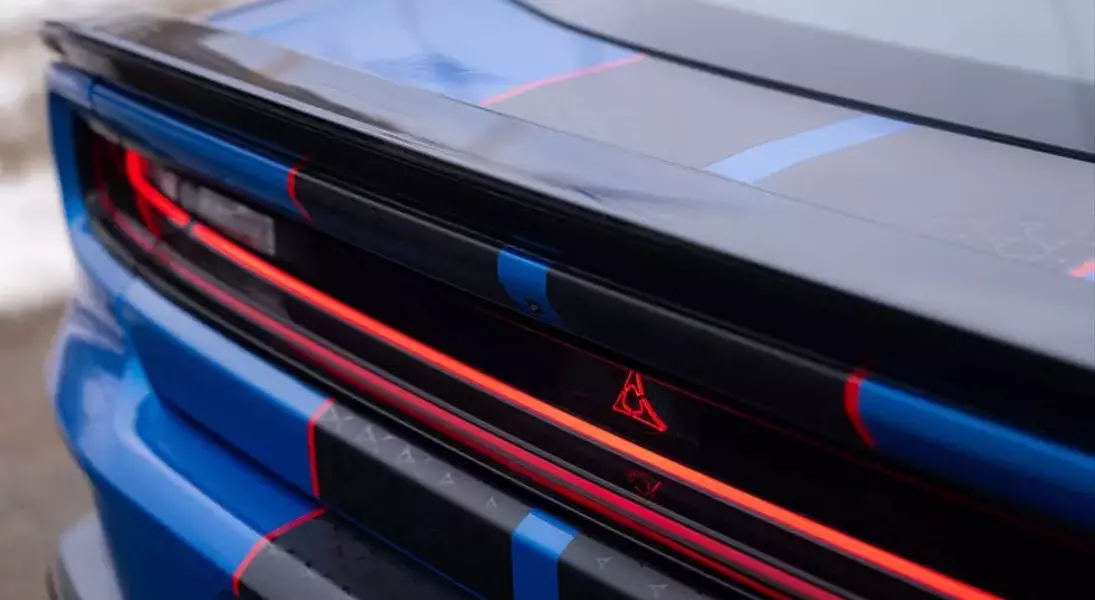
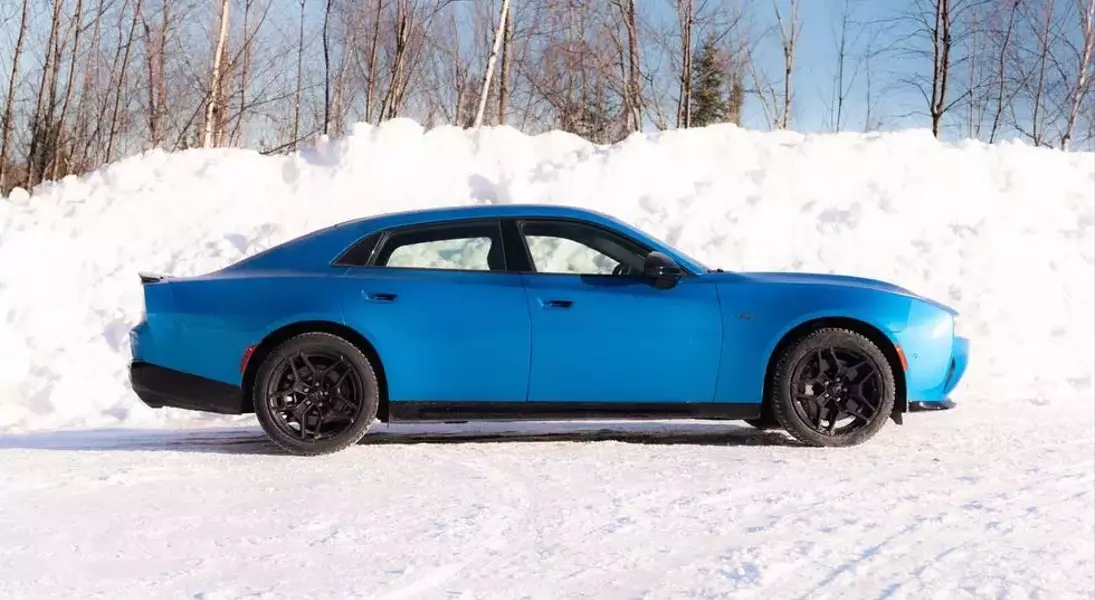
Dodge has unveiled a new version of its 2026 Charger, the Sixpack R/T, equipped with a standard-output twin-turbocharged 3.0-liter inline-six engine. This model delivers 420 horsepower, positioning it as a more affordable option than the higher-performing Sixpack Scat Pack. Despite offering a significant power increase over the previous generation's R/T, which featured a 5.7-liter Hemi V-8, the new R/T's pricing and capabilities invite comparison with both its potent Scat Pack sibling and rivals like the Ford Mustang GT. The choice between the R/T and its more powerful counterparts ultimately depends on a buyer's priorities regarding performance versus cost.
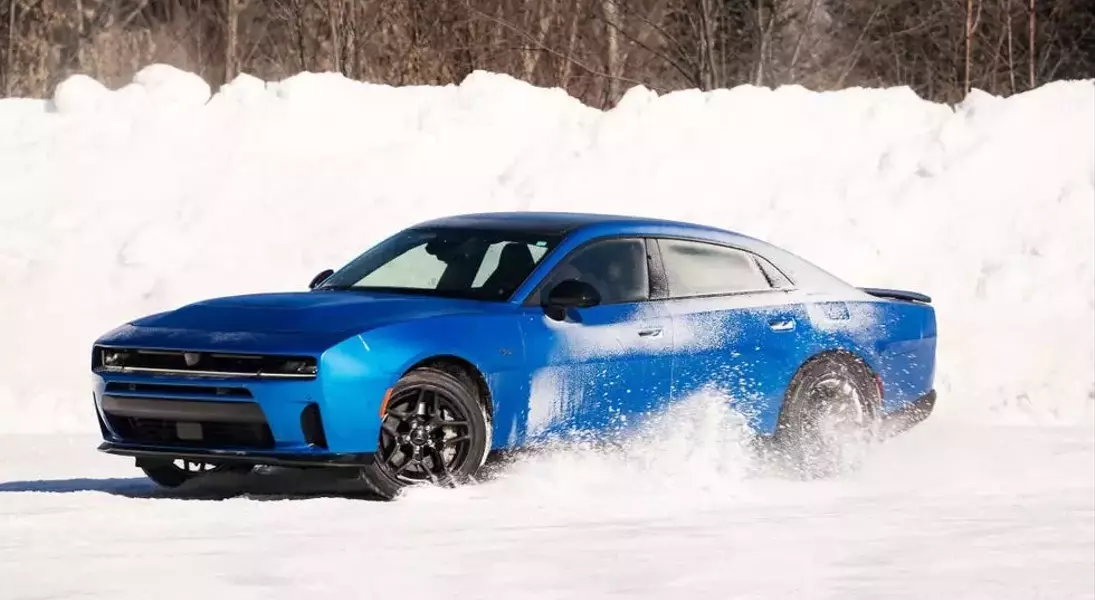
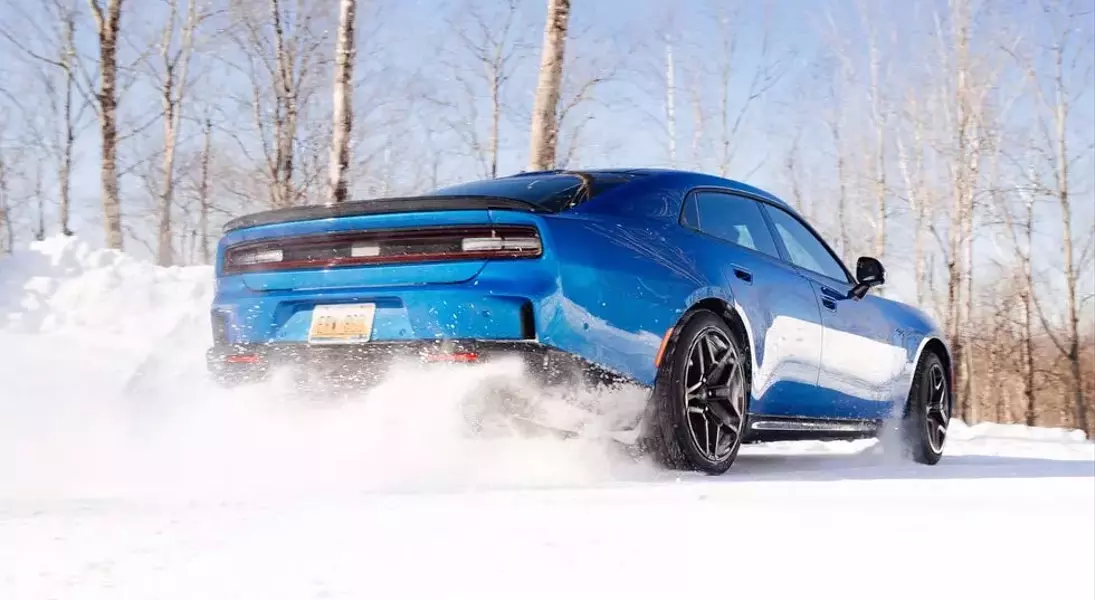
Driving impressions from Vermont and New Hampshire highlight the R/T's commendable handling, particularly its all-wheel-drive system's effectiveness in varied conditions. The car proves capable of quick acceleration and manages well through curves, although its steering responsiveness and body roll are noted as areas for potential improvement. Testing on a skidpad revealed the R/T's standard-output engine, with its quicker-spooling turbos, allows for easier throttle modulation and sustained drifts compared to the Scat Pack. However, the vehicle's considerable size and weight remain apparent during dynamic maneuvers.
New 2026 Dodge Charger R/T: Engine Specs and Performance
Dodge has officially launched the 2026 Charger Sixpack R/T, powered by a standard-output variant of its twin-turbocharged 3.0-liter Hurricane inline-six engine. This powertrain generates 420 horsepower and 468 pound-feet of torque, placing it below the high-output Scat Pack model's 550 horsepower. The engine differences extend beyond tuning, with the R/T featuring smaller turbochargers that provide 22 psi of peak boost, compared to the Scat Pack's larger turbos, reinforced internal components, enhanced cooling, and higher-flow fuel system. Despite these distinctions, the R/T's smaller turbines spool up faster, achieving peak torque at 2500 rpm, a thousand rpm sooner than the Scat Pack, contributing to its responsive feel. Power is directed through an eight-speed automatic transmission to an all-wheel-drive system that allows for front axle disconnection, enabling rear-wheel-drive dynamics when desired.
The 2026 Charger R/T marks a considerable upgrade from its predecessor, which featured a 5.7-liter Hemi V-8 delivering 370 horsepower and 395 pound-feet of torque. This new model is projected to accelerate from 0 to 60 mph in 4.6 seconds and complete a quarter-mile in 12.9 seconds, representing approximately a half-second improvement over the previous R/T. While these figures are impressive, the R/T faces stiff competition, especially when considering its starting price of $51,990 for the two-door version, with an additional $2000 for the four-door. The Ford Mustang GT, for instance, offers more power, a lighter build, and a V-8 engine at a lower starting price of $48,555. Moreover, the Scat Pack, with its 130 additional horsepower, is only $5000 more expensive, making it a more compelling value proposition for those prioritizing raw power. This comparison highlights the R/T's challenge in carving out a distinct niche within the muscle car segment.
Driving Dynamics and Value Proposition
The driving experience of the 2026 Dodge Charger R/T, as tested on the snowy roads of Stowe, Vermont, and the rally school in Dalton, New Hampshire, showcased the effectiveness of its variable all-wheel-drive system. The system provided ample confidence for spirited driving, and the R/T's 420 horsepower felt more than adequate for engaging highway runs. Its ability to navigate off-ramp cloverleafs at speed underscored its solid dynamic capabilities. Switching to Sport mode enhanced the driving dynamics by channeling more torque to the rear axle, which effectively mitigated the inherent understeer typically associated with all-wheel-drive vehicles. However, pushing the car to its limits revealed certain limitations, such as a less precise steering feel and noticeable body roll on winding roads. Despite these minor drawbacks, the standard suspension setup proved comfortable for daily driving, while the optional sport-tuned suspension, part of the $2995 Performance Handling Group, offered a firmer ride that sacrificed comfort on less-than-perfect surfaces.
At the Team O'Neil Rally School, the Charger R/T demonstrated its playful side on a frosty skidpad, where its smaller, quicker-spooling turbos allowed for easier maintenance of boost and more controlled drifts compared to the high-output Scat Pack. Although capable of quick direction changes on an autocross course, the R/T's substantial size and weight were consistently felt. Priced at $51,990 for the two-door model, the R/T offers the most accessible entry into a gas-powered Charger. However, its value proposition becomes complex when juxtaposed with competitors and its own lineup. The Ford Mustang GT, at a lower price point, offers more power and a traditional V-8 engine experience, albeit with less passenger room. More critically, the Scat Pack, with its significant power advantage, is only $5000 more, leading many to question if the R/T truly offers a compelling enough package given the marginal price difference for substantial performance gains. While enjoyable on its own terms, the R/T's position is somewhat overshadowed by the mightier thrust-to-cost ratio of the Scat Pack.
