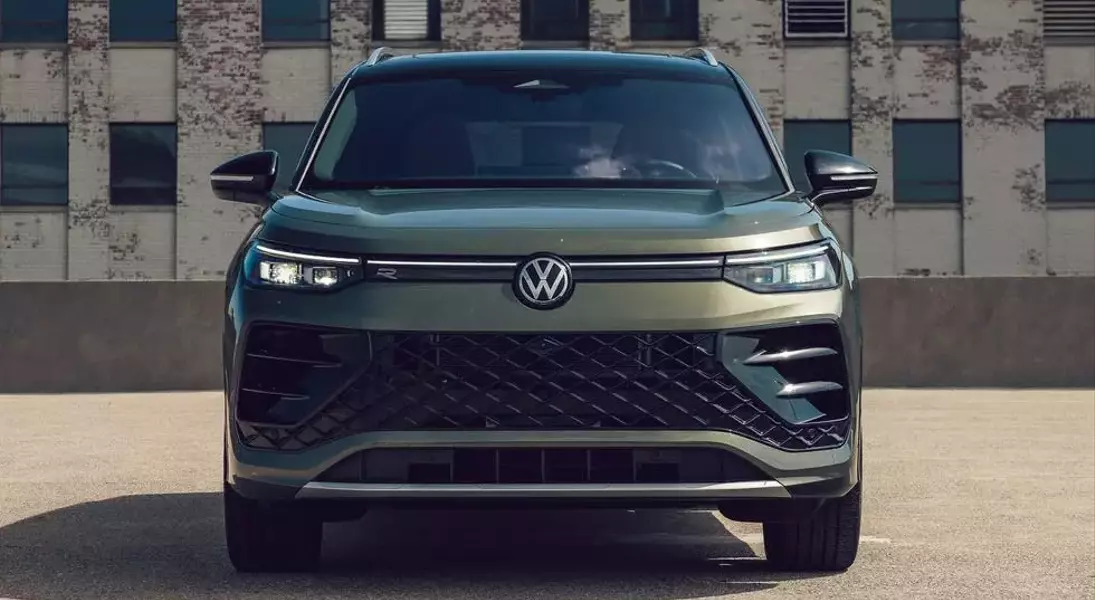
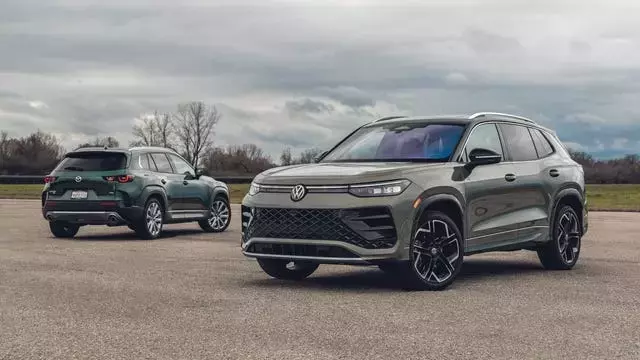
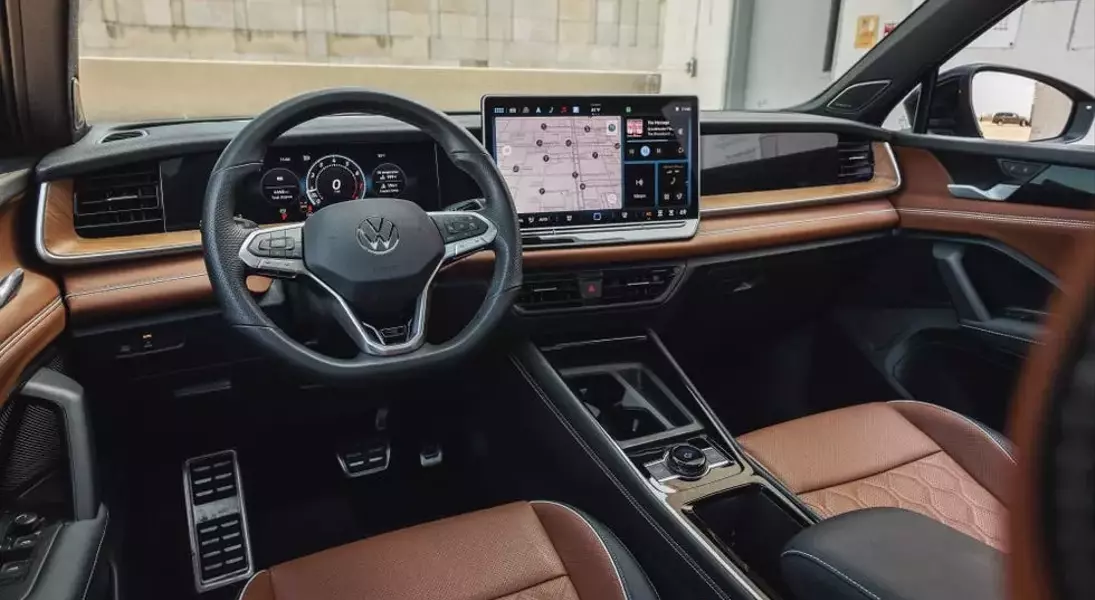
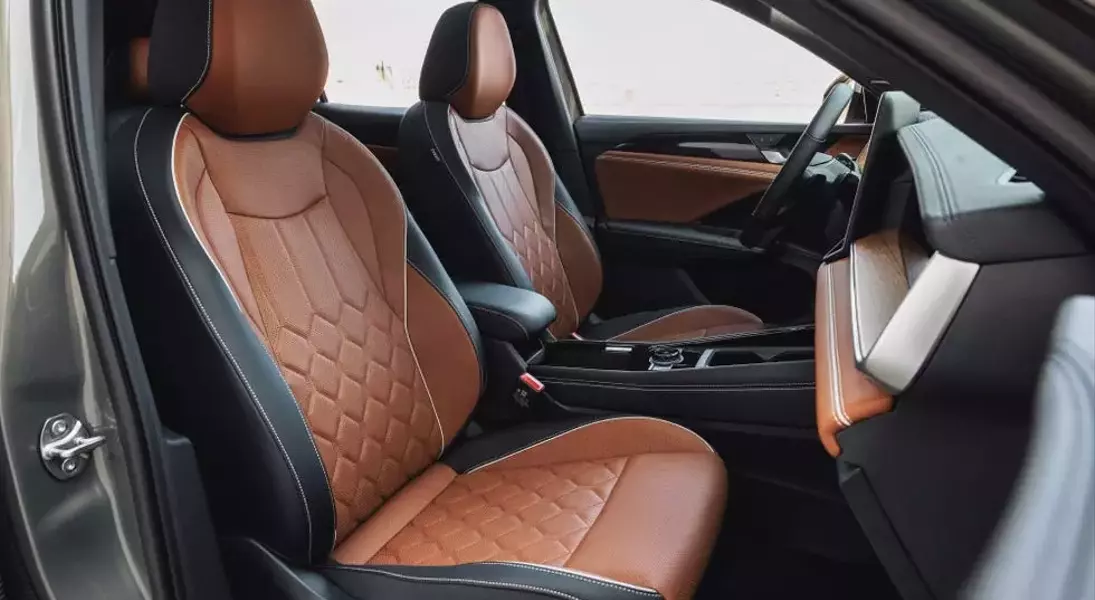
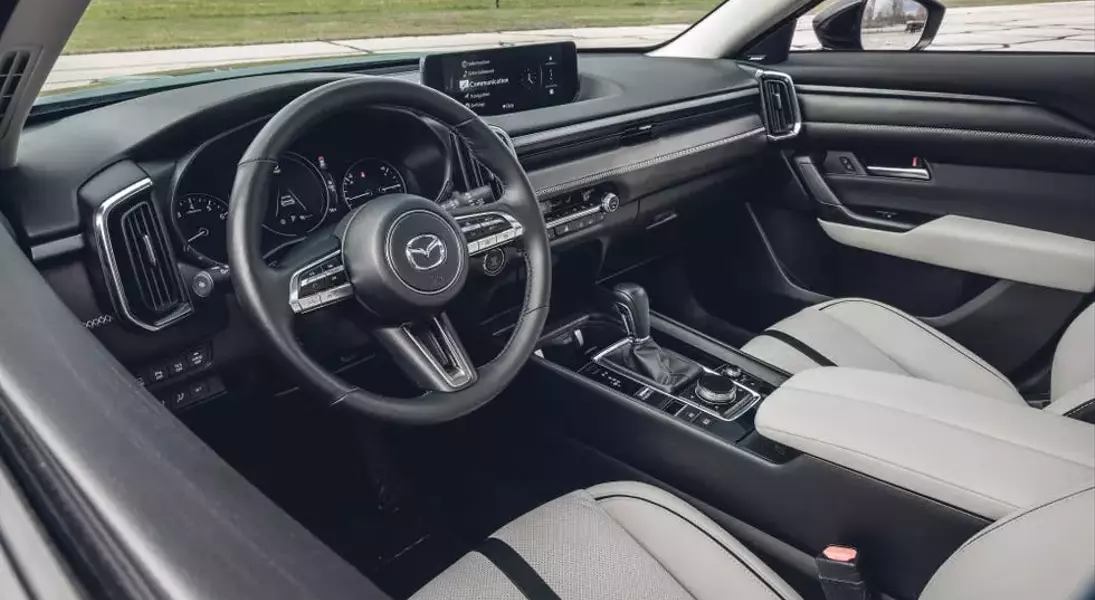
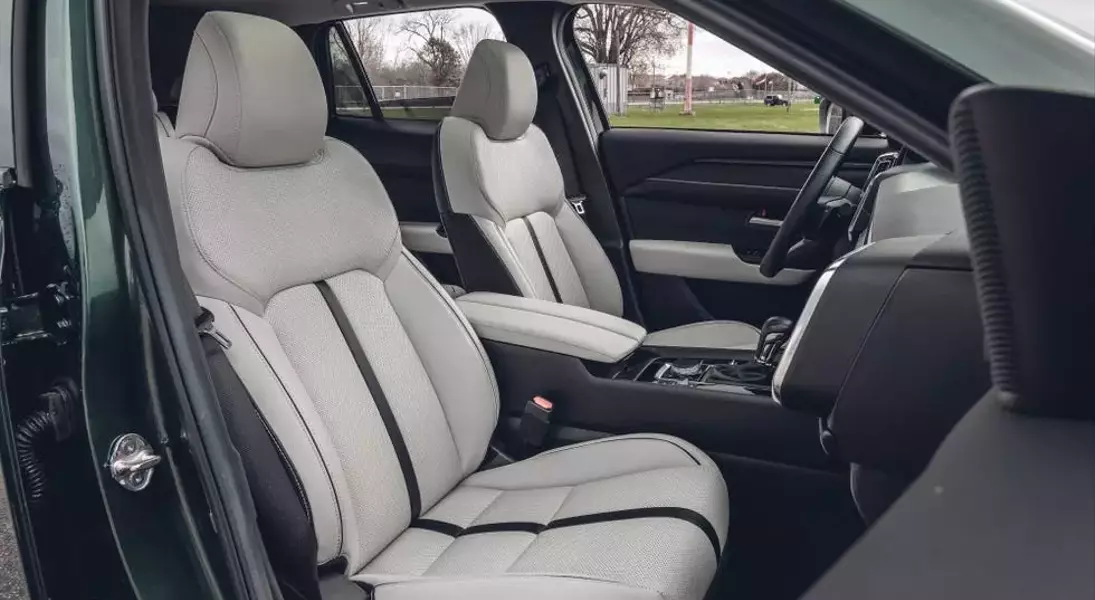
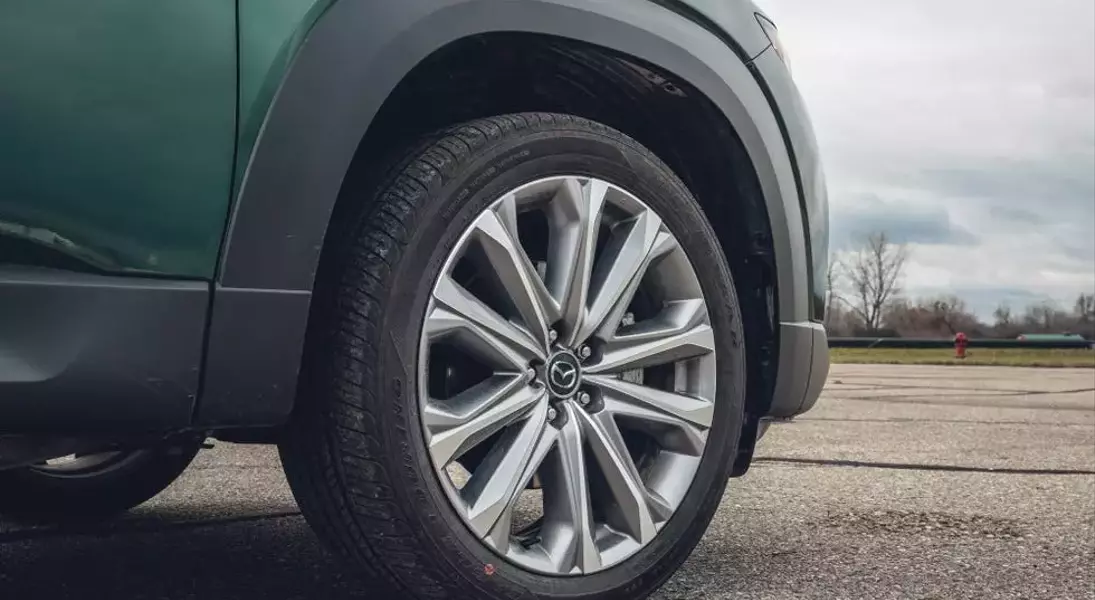
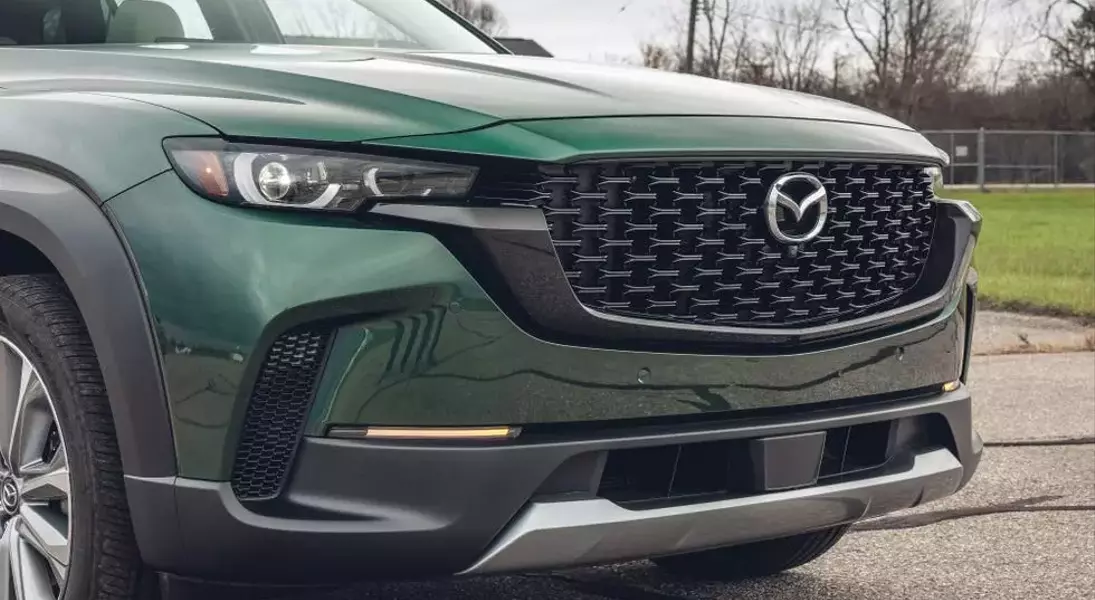
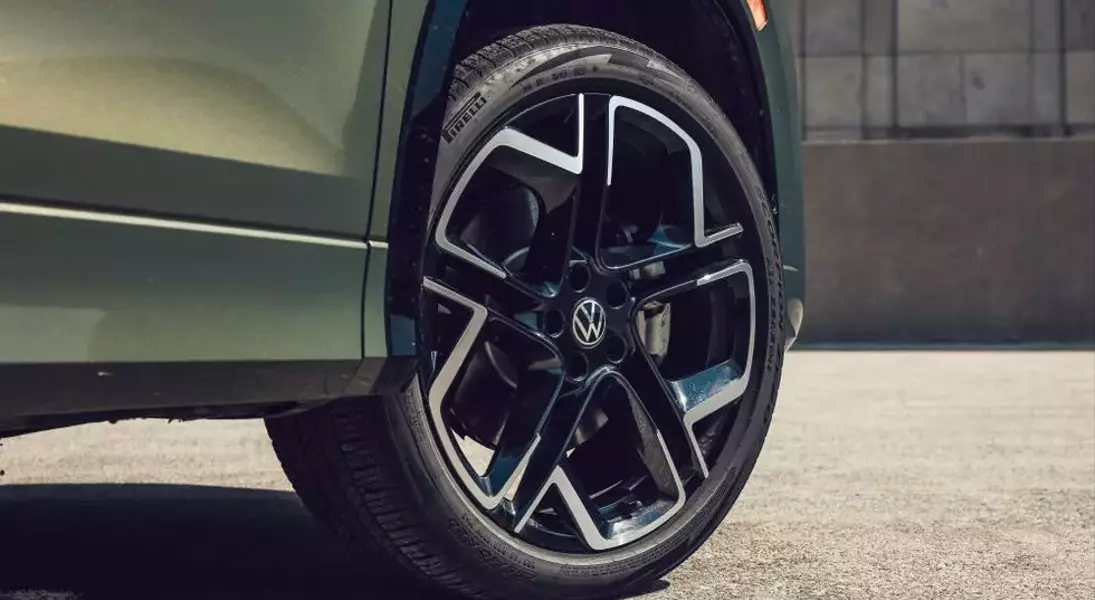
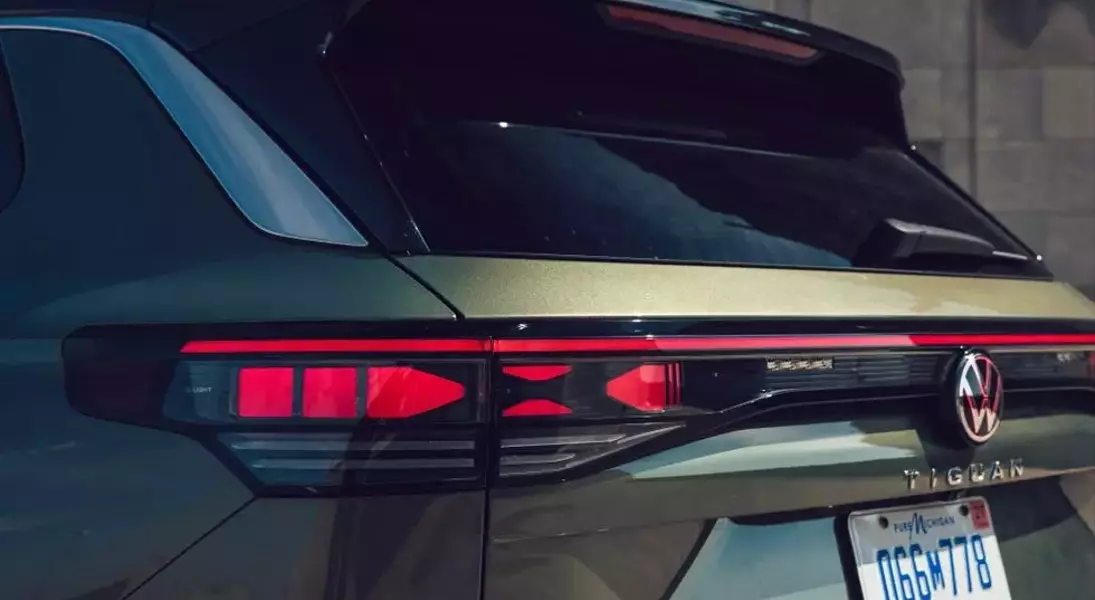
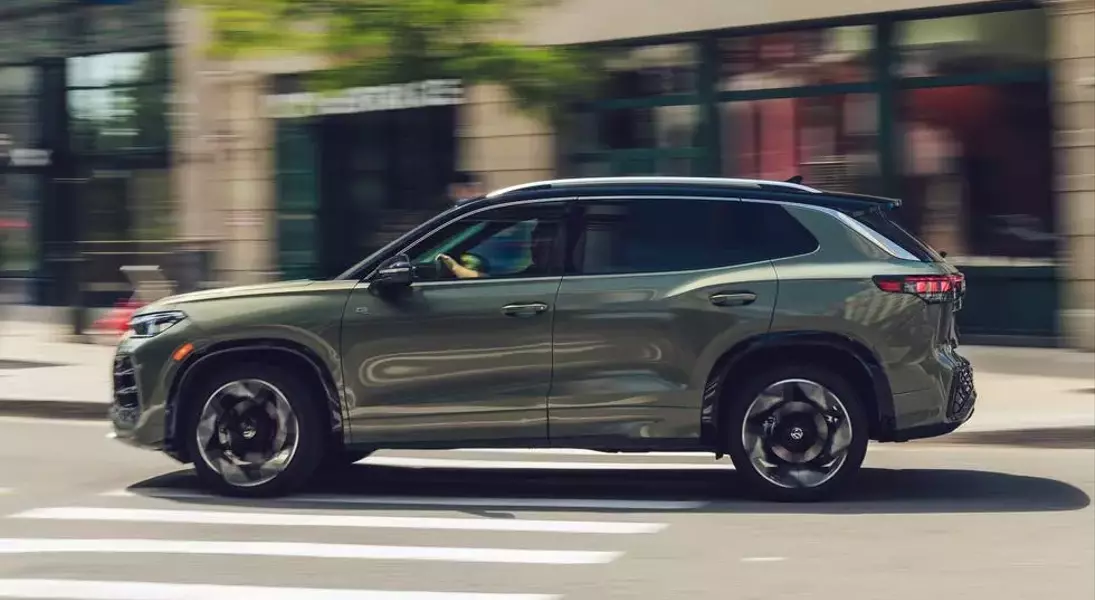
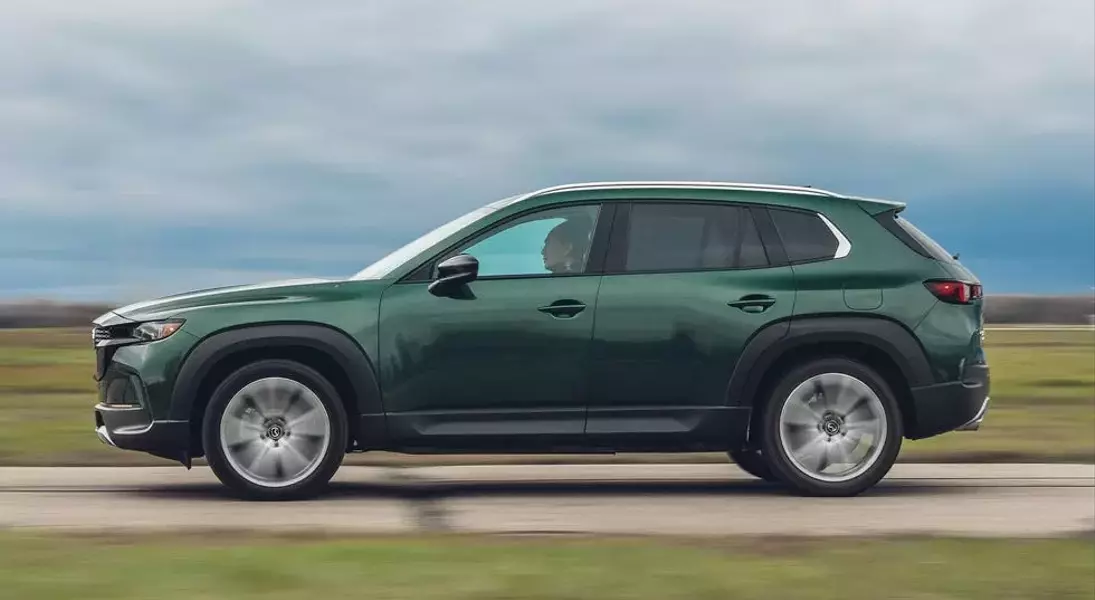
The contemporary automotive market is witnessing an arms race for power, even within the practical family SUV category, with manufacturers increasingly equipping vehicles with powerful, turbocharged engines. This comprehensive review focuses on two prominent models: the 2026 Volkswagen Tiguan SEL R-Line and the 2026 Mazda CX-50 Premium Plus. These compact SUVs, representing the highest trims available, blend potent gasoline engines with turbocharging to deliver spirited performance. However, a truly exceptional family vehicle necessitates more than just raw power; it demands a harmonious balance of diverse elements to satisfy all occupants. The evaluation extends to crucial aspects such as pricing, sophisticated interior features, and spatial utility. While the Mazda CX-50 initially presents as a slightly more budget-friendly option with its refined cabin, the Tiguan distinguishes itself with luxury amenities like massaging front seats and an assertive R-Line aesthetic, highlighting that a compelling family car requires both driver engagement and passenger contentment.
A deeper dive into the vehicles' dynamic characteristics reveals a close contest in performance metrics, despite variations in engine displacement and torque output. The CX-50, with its robust torque and lighter construction, often exhibits swifter acceleration and more immediate braking. Yet, the Tiguan demonstrates its prowess in various other tests and surprisingly achieves better-than-estimated highway fuel economy. Interior dimensions reveal the Tiguan’s superior cargo capacity, contrasting with the CX-50's generous front legroom. Both models are celebrated for their upscale cabin materials and design, though the Tiguan’s advanced infotainment system and more thoughtfully designed heated steering wheel receive special commendation. Ultimately, the 2026 Volkswagen Tiguan secures the top spot in this comparative analysis, thanks to a series of substantial improvements in interior design, overall spaciousness, fuel efficiency, and refined driving dynamics, marking a significant evolution that reestablishes its competitive advantage.
High-Performance Family SUVs: A Detailed Comparison
The current trend in the automotive world sees an increasing focus on performance across all vehicle classes, including compact family SUVs, where models like the 2026 Volkswagen Tiguan SEL R-Line and the 2026 Mazda CX-50 Premium Plus now feature advanced turbocharged powertrains. This comprehensive article undertakes an in-depth comparison of these two formidable contenders, scrutinizing their various attributes from a consumer perspective. The analysis aims to delineate which of these high-trim SUVs provides a more complete and satisfying ownership experience for families. Both vehicles, representing the top specifications of their respective ranges, promise an engaging driving experience coupled with practical utility, utilizing cutting-edge gasoline and turbocharging technologies. The evaluation transcends the mere discussion of engine power, delving into the nuances of pricing structures, the luxuriousness of interior appointments, and the practicality of cabin dimensions. The Mazda CX-50, for instance, might appeal to those seeking a slightly more accessible price point with its upscale interior, while the Tiguan offers distinct advantages such as innovative massaging front seats and a more aggressive R-Line visual package. This examination highlights that for a vehicle to be truly appealing to families, it must expertly balance exhilarating driving dynamics with unparalleled comfort and convenience for all passengers.
Further dissecting the vehicles, the review explores their physical dimensions, revealing how the Tiguan’s boxier profile contributes to superior cargo volume with both rear seats up or down, offering a practical edge over the CX-50, which prioritizes front-seat legroom. Both cabins are lauded for their premium aesthetics and tactile materials, creating an atmosphere of sophistication and comfort that belies their compact SUV classification. However, the Tiguan distinguishes itself with a more modern and integrated infotainment interface, featuring a prominent digital display, and a more effective design for its heated steering wheel, which provides uniform warmth. The article meticulously details how these top-tier trims, despite their elevated price points, justify their cost through a comprehensive array of standard features, including sophisticated driver assistance systems. These meticulous considerations of design philosophy, functional amenities, and advanced technological integrations are pivotal in shaping the overall user experience and determining the ultimate winner in this highly competitive segment.
Driving Dynamics and Redesigned Excellence
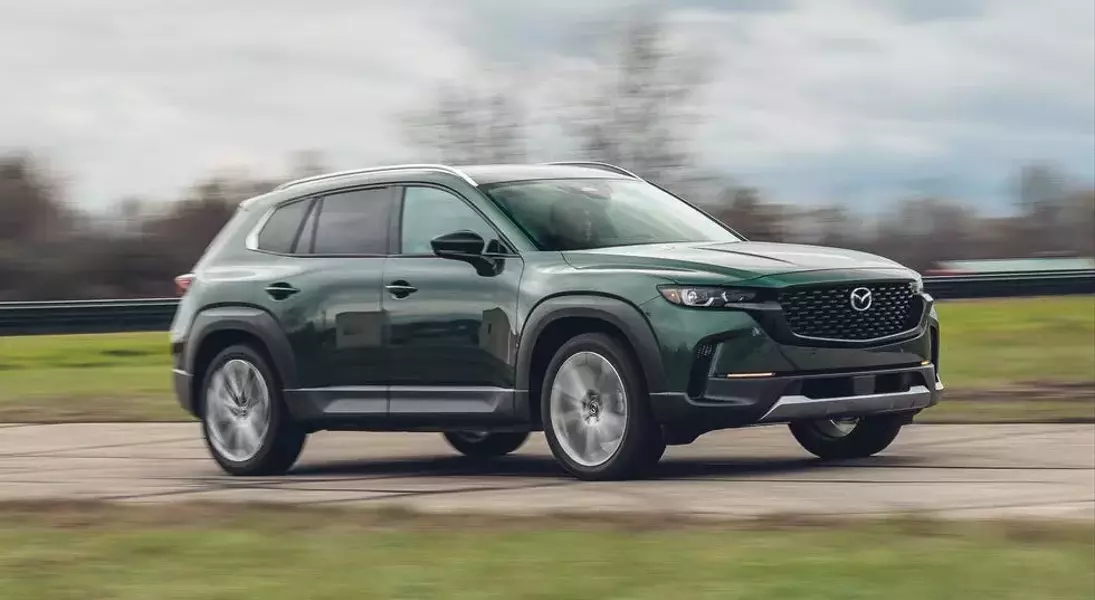
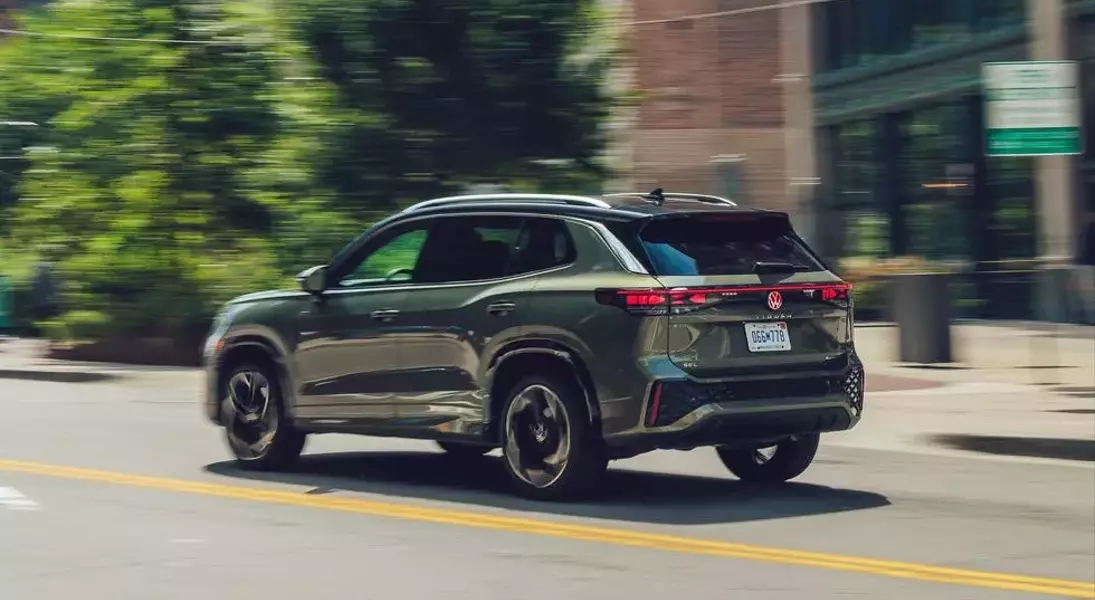
When assessing the driving characteristics, both the 2026 Volkswagen Tiguan and the Mazda CX-50 deliver commendable and enjoyable experiences, albeit with individual strengths. The CX-50, equipped with a larger 2.5-liter turbocharged engine, boasts a considerable advantage in torque output and benefits from a slightly lighter curb weight. This combination results in quicker acceleration, allowing it to reach 60 mph in 6.4 seconds, a notable two-tenths faster than the Tiguan. Furthermore, the Mazda demonstrates superior braking performance, coming to a halt nine feet shorter from 70 mph. Despite these accelerative and braking advantages, the Tiguan proves to be highly competitive in other performance metrics, particularly in rolling acceleration scenarios. Intriguingly, the Tiguan also outperforms its EPA estimates in real-world highway fuel economy tests, showcasing its efficiency. The CX-50’s six-speed automatic transmission, while effective, is perceived as less advanced compared to the Tiguan’s more contemporary eight-speed automatic, which contributes to its overall efficiency gains. The Volkswagen also impresses with a more substantial and direct steering feel, offering a driving connection that many enthusiasts appreciate, reminiscent of classic German engineering principles.
The exploration of driving dynamics further illuminates the nuanced differences between these two compact SUVs. The Mazda CX-50 garners praise for its exceptional bump absorption capabilities, which translate into a remarkably quieter and more refined ride, especially noticeable on less-than-perfect road surfaces. Its brake pedal, offering a firm and progressive feel, is also highlighted as a preferred characteristic. In contrast, the Volkswagen Tiguan's suspension setup, though described with terms like "flinty," provides a distinct sense of solidity and composed handling, a hallmark of its European design heritage. This divergence in ride and handling philosophy caters to distinct driver preferences: some may favor the CX-50's plush comfort, while others will gravitate towards the Tiguan's tauter, more engaging ride. The 2026 Tiguan's recent overhaul has significantly elevated its standing, not only enhancing its interior sophistication and practical utility but also sharpening its dynamic capabilities. This extensive generational improvement is key to why the Tiguan ultimately triumphs in this rigorous head-to-head comparison, reclaiming its lead in a competitive market segment.
