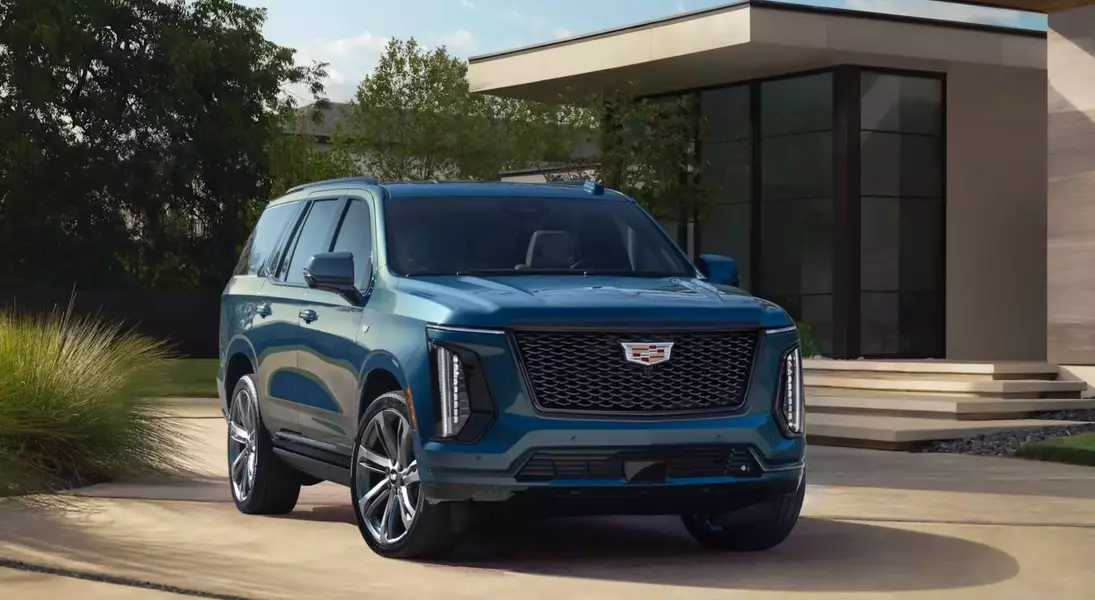
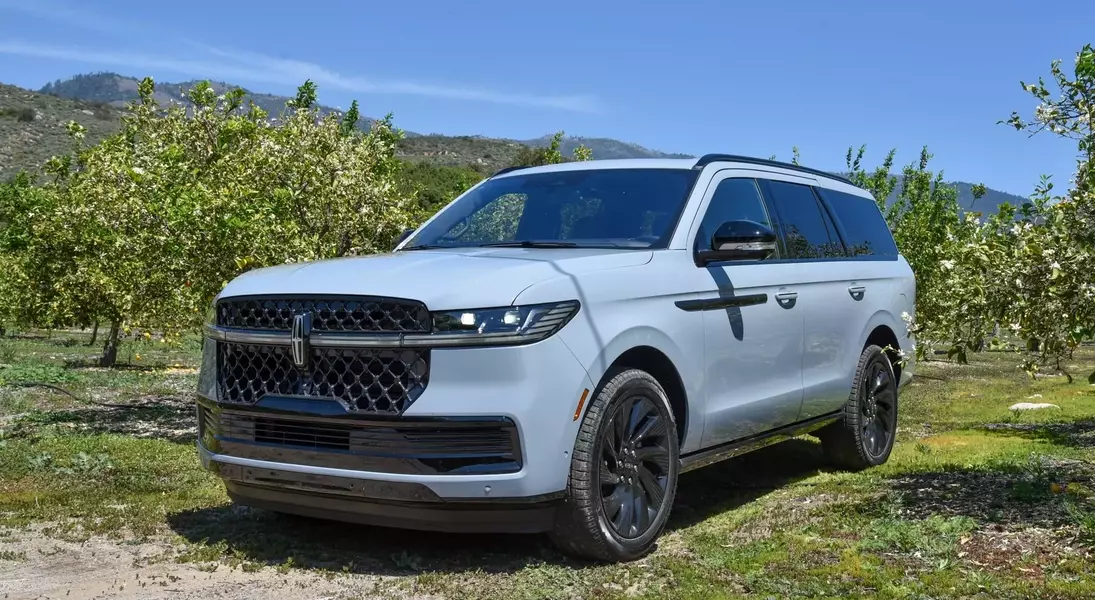
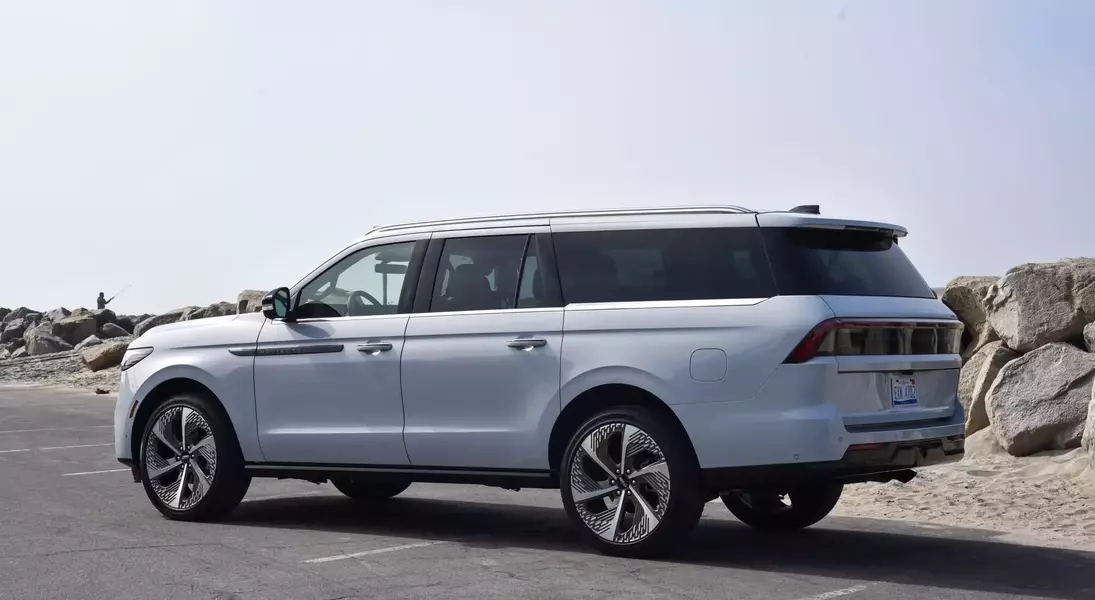
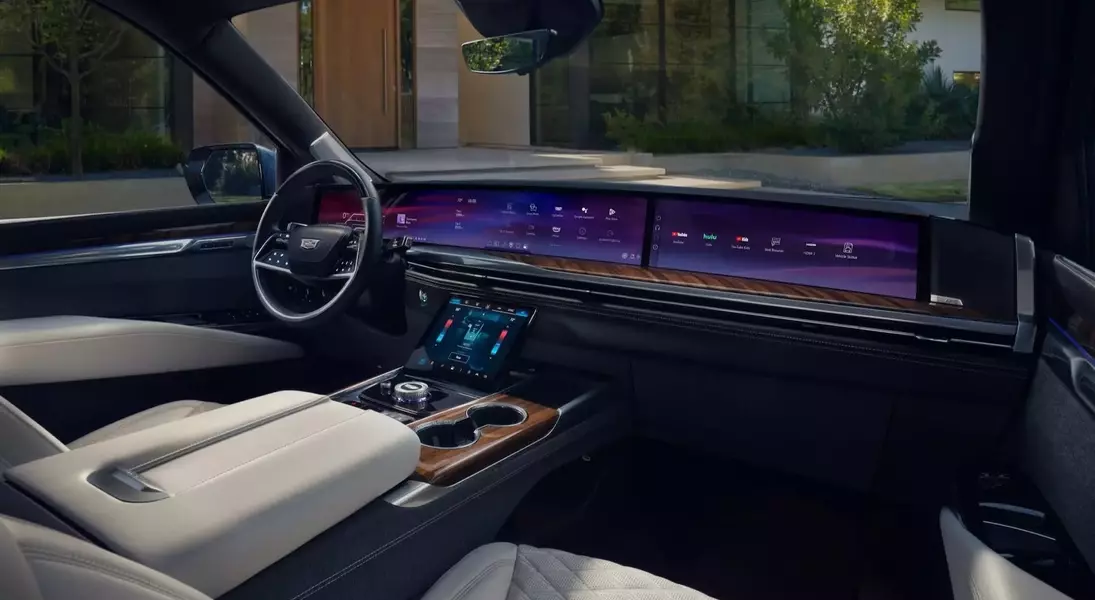
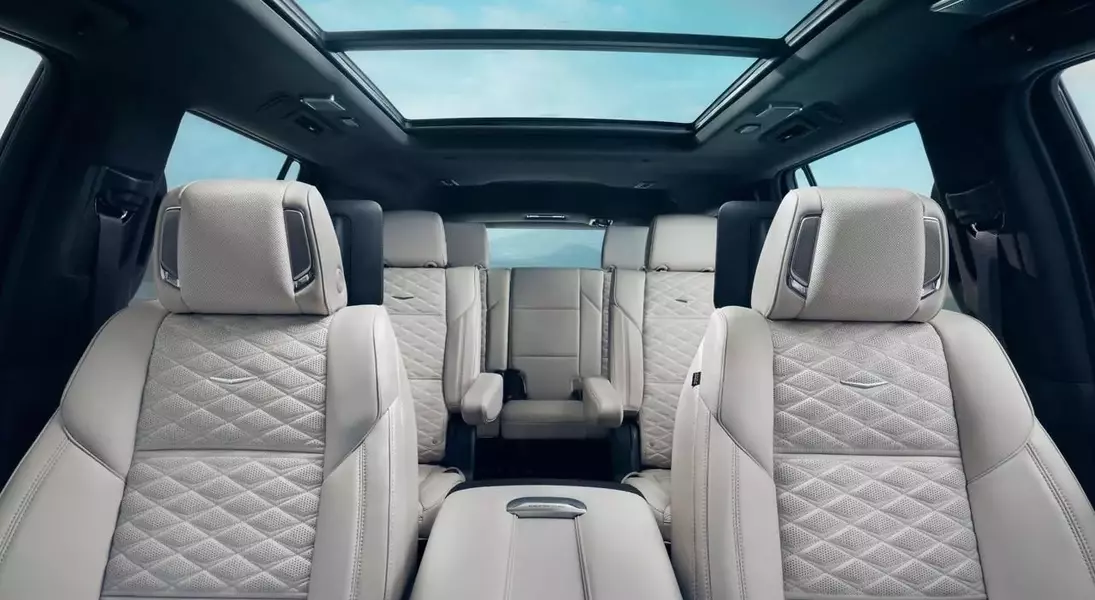
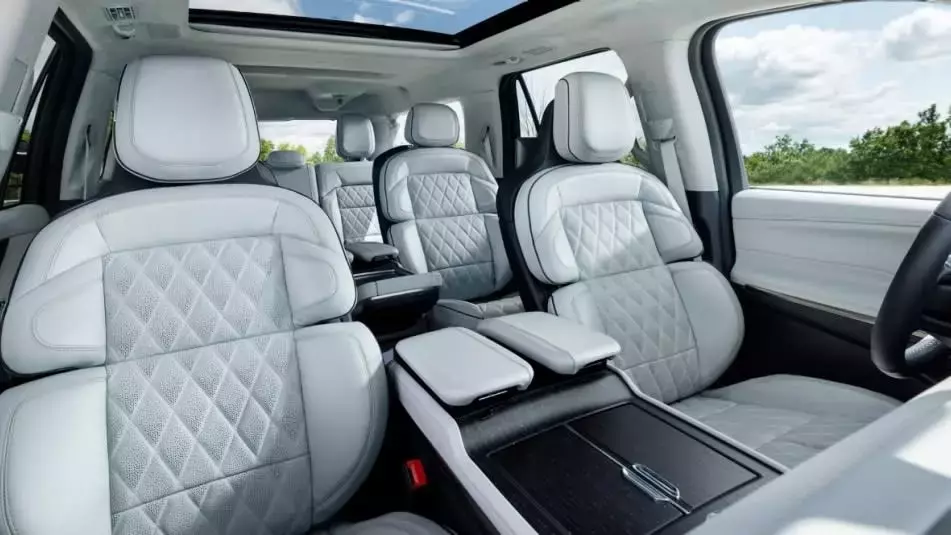
When considering top-tier, full-size luxury SUVs, the 2026 Cadillac Escalade and 2026 Lincoln Navigator stand out as formidable contenders. Both vehicles offer expansive interiors, robust performance, and a plethora of high-end features designed to provide an unparalleled driving and passenger experience. However, beneath their shared segment dominance, crucial differences emerge in their engineering and design philosophies. This analysis will explore these distinctions in detail, covering powertrain choices, interior space utilization, and the intrinsic luxury of their standard offerings, guiding potential buyers through the nuances that define each magnificent machine.
A primary point of divergence between these two luxury titans lies in their engine configurations. The Cadillac Escalade maintains its tradition with a potent 6.2-liter V8 engine, delivering a substantial 420 horsepower and 460 lb-ft of torque. This engine, paired with a 10-speed automatic transmission, propels the SUV from 0 to 60 mph in approximately six seconds. For those craving even greater power, the Escalade-V variant boasts a supercharged 6.2L V8, unleashing an impressive 682 horsepower, accompanied by a distinct exhaust roar. In contrast, the Lincoln Navigator, while forgoing a V8, leverages modern forced induction technology. Its 3.5-liter twin-turbocharged V6 engine generates 440 horsepower and a commanding 510 lb-ft of torque, surpassing the standard Escalade's output in both metrics. This enables the Navigator, which includes all-wheel drive as standard, to achieve a quicker 0-60 mph time and a superior towing capacity of up to 8,700 pounds, compared to the Cadillac's 8,100 pounds. It's noteworthy, however, that Lincoln does not offer a performance-oriented model that directly competes with the Escalade-V.
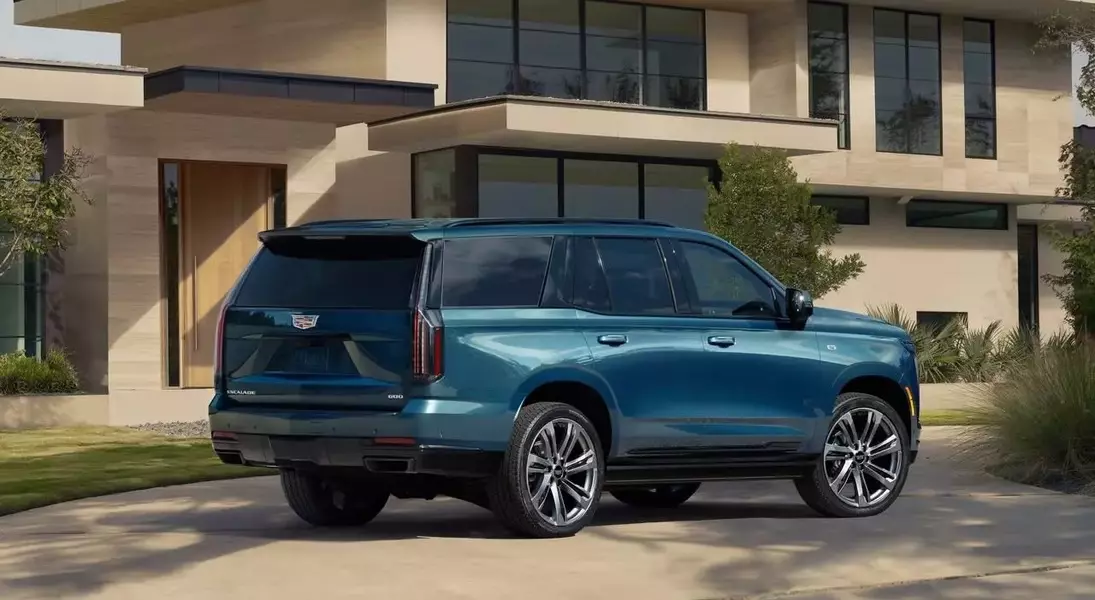
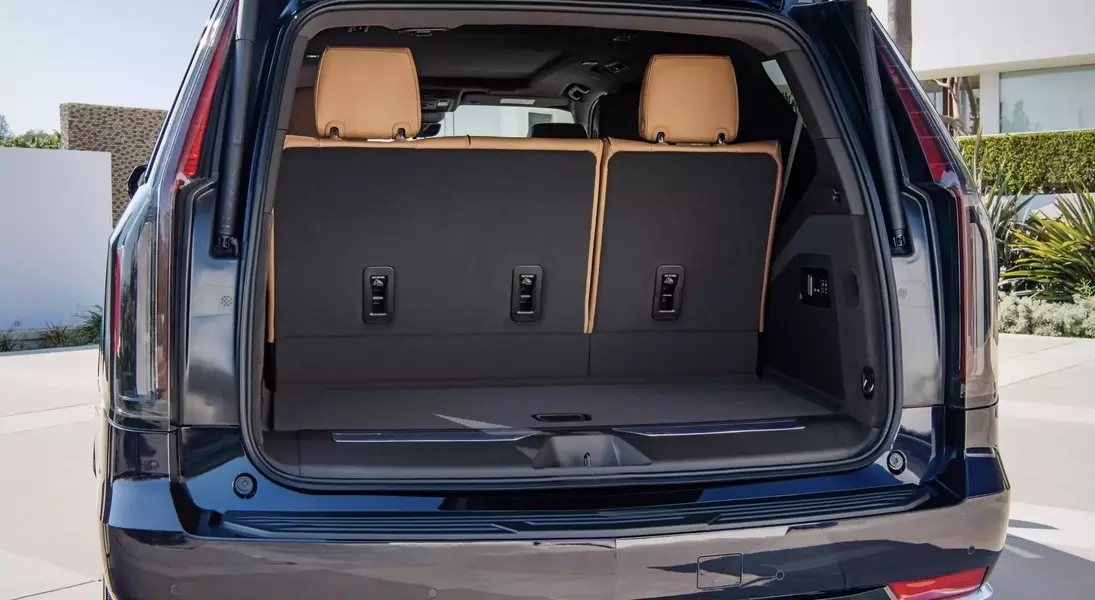
Another significant area of comparison is how these large SUVs manage their voluminous interiors, particularly concerning cargo space and third-row passenger comfort. The Cadillac Escalade generally offers more cargo volume across its configurations. The standard Escalade provides 121 cubic feet behind the first row, 72.9 cubic feet behind the second, and 25.5 cubic feet behind the third. Its extended-length Escalade ESV model further expands these figures to 142.8, 94.1, and 41.5 cubic feet, respectively. While the Lincoln Navigator's cargo space is slightly less, at 107/69.9/22.9 cubic feet for the standard version and 121.6/84.5/37.4 cubic feet for the Navigator L, it distinguishes itself in third-row passenger legroom. The Navigator offers a generous 43.5 inches of legroom in its third row, matching the comfort of its front seats, a considerable advantage over the Escalade's 34.9 inches (and 36.6 inches in the ESV).
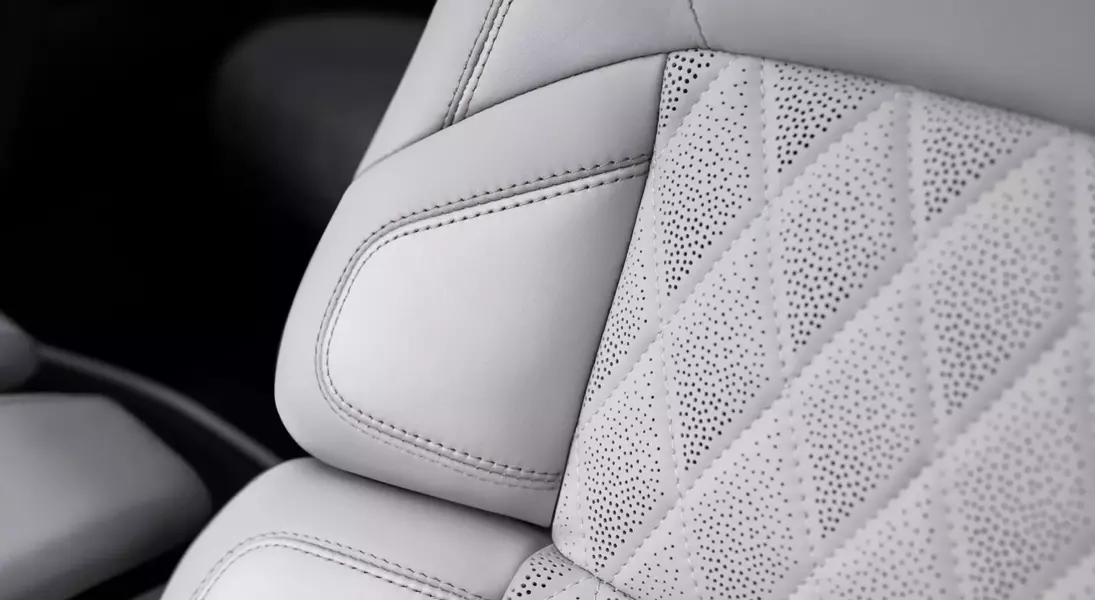
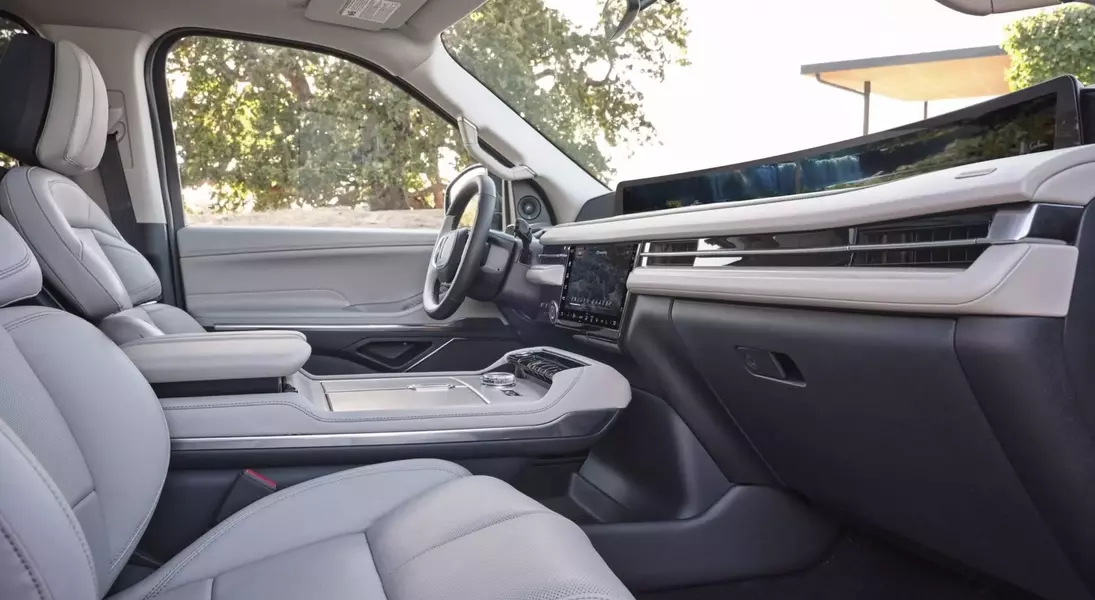
Finally, the level of luxury in standard seating appointments sets these two vehicles apart. The Lincoln Navigator provides a more indulgent experience from its base model. First-row occupants in the Navigator benefit from "Perfect Position" seats, offering 24-way power adjustment for the driver and 22-way for the passenger, along with standard heating and ventilation. The base Escalade, however, features 12-way adjustable front seats, with only heating as standard, and comes equipped with Inteluxe imitation leather rather than genuine leather upholstery. Both vehicles offer heated second-row seats with power-folding functionality. For the third row, both provide power-folding, but Lincoln adds a power recline feature, further enhancing passenger comfort. While both manufacturers offer ultra-luxurious, higher-trim levels with an extensive array of advanced features, the initial impression of luxury in the standard models leans towards the Navigator.
In the realm of full-size luxury SUVs, both the Cadillac Escalade and Lincoln Navigator deliver commanding presence and exceptional capabilities for transporting families and their belongings in supreme comfort. Each model brings its unique strengths to the forefront, creating a compelling choice for discerning buyers. The Escalade excels with its powerful V8 engine options and superior cargo capacity, while the Navigator impresses with its twin-turbo V6's robust performance, more accommodating third-row legroom, and enhanced standard seating luxury. Ultimately, the decision between these two grand vehicles will hinge on individual preferences for powertrain characteristics, priority for passenger comfort in the rearmost seats, and the baseline level of interior opulence desired. A direct comparison through test drives is highly recommended to fully appreciate the distinct advantages each offers.
