
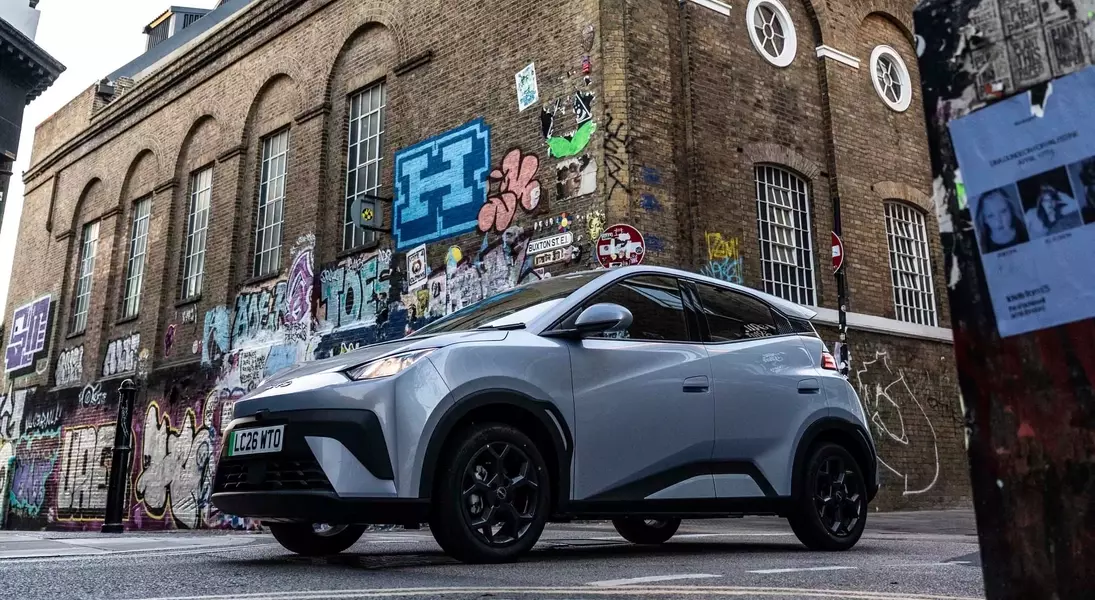
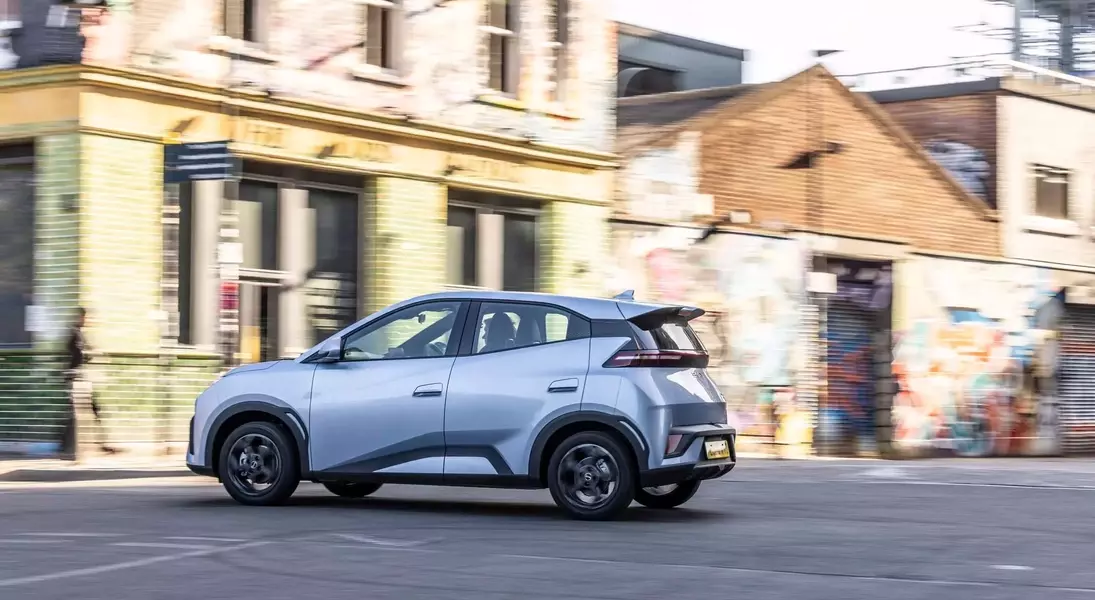
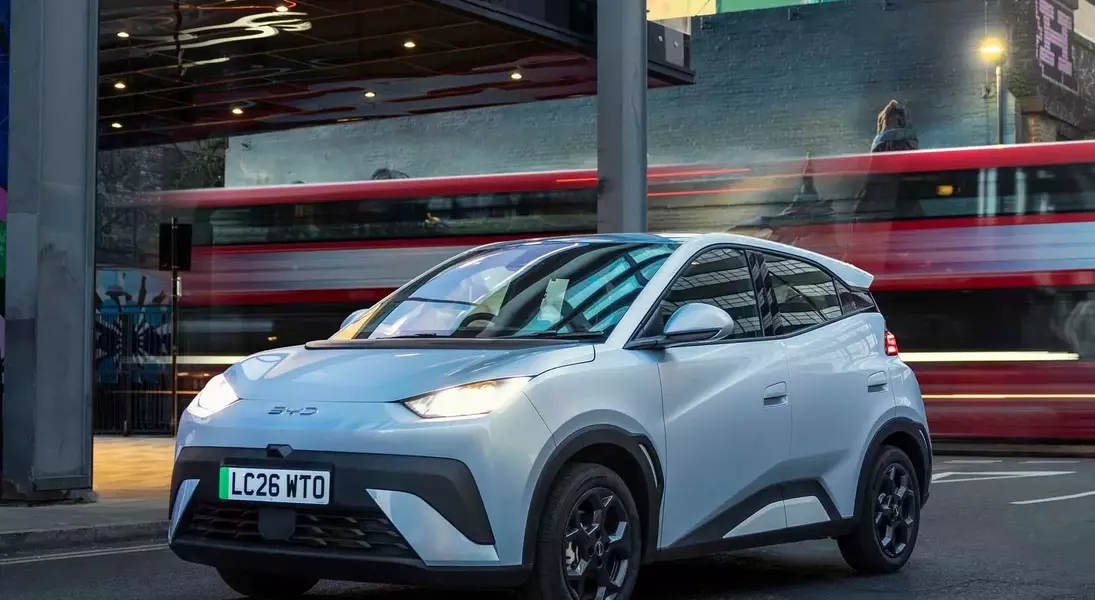
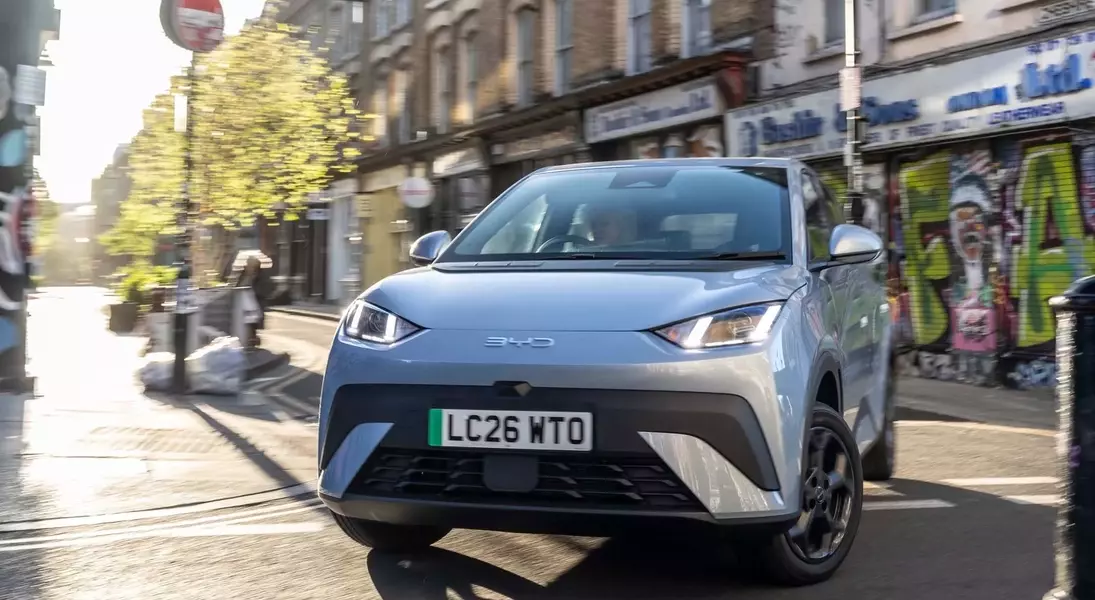
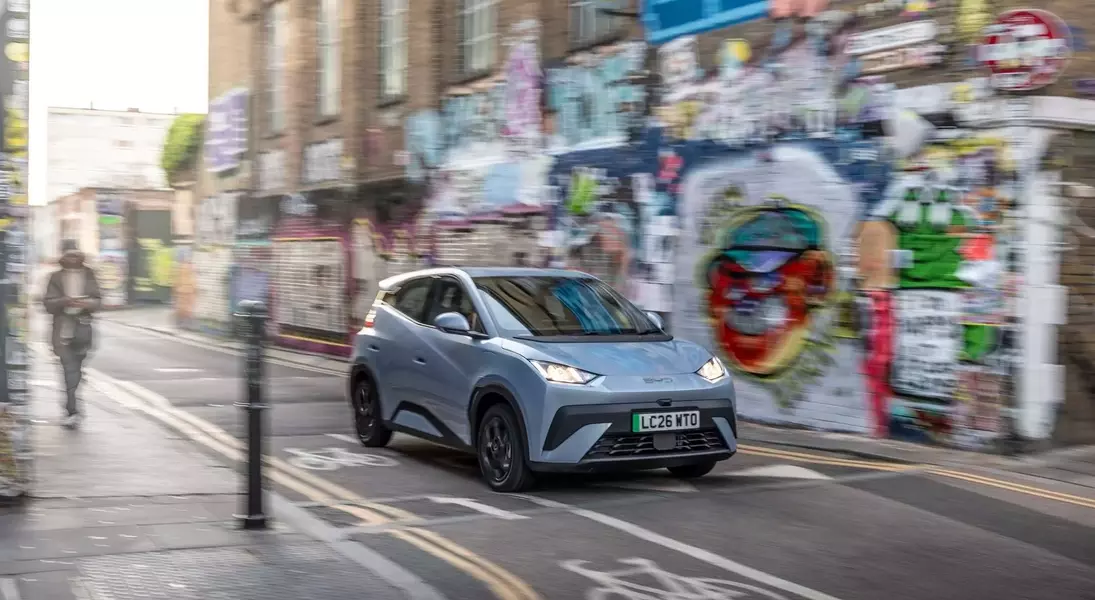
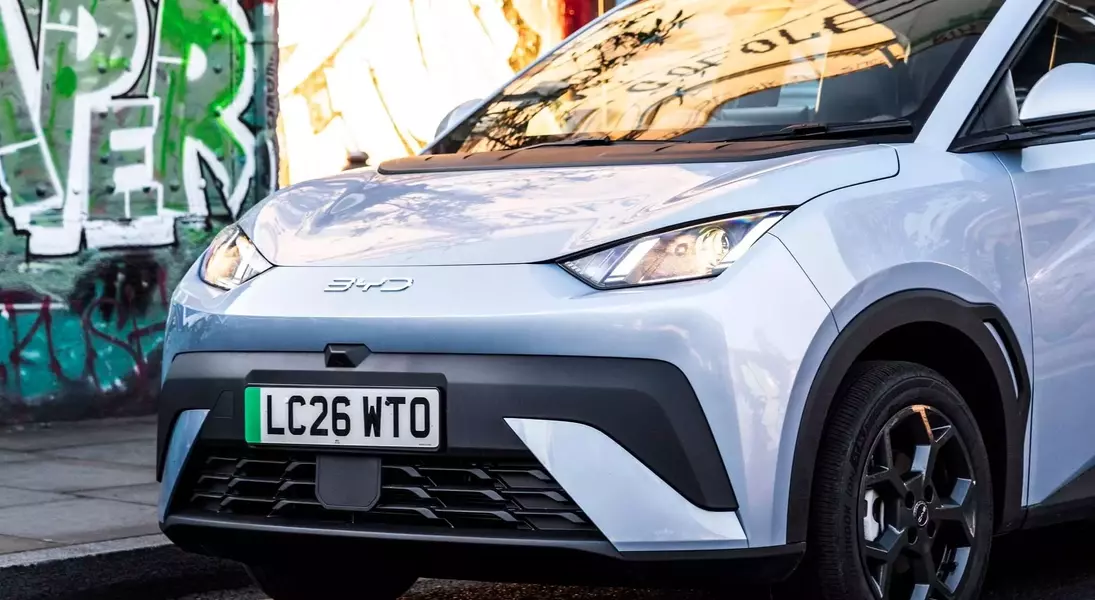
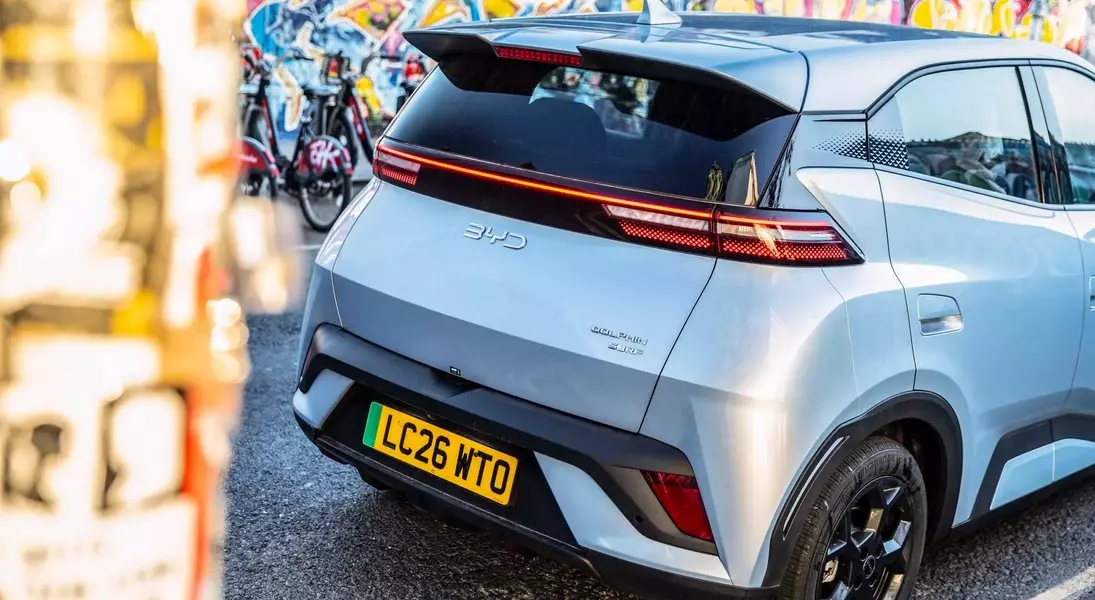
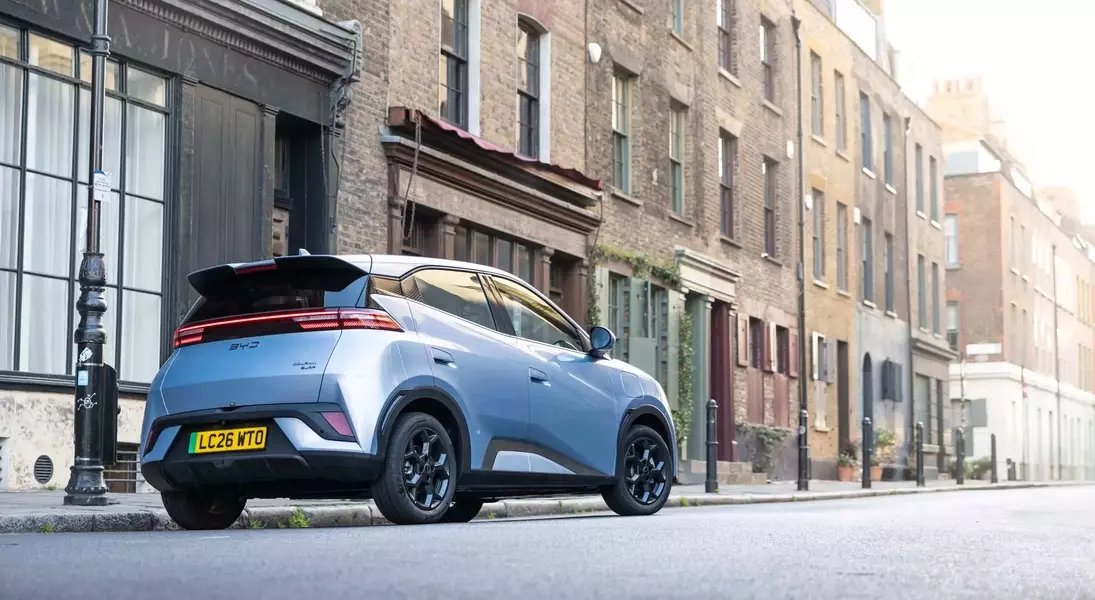
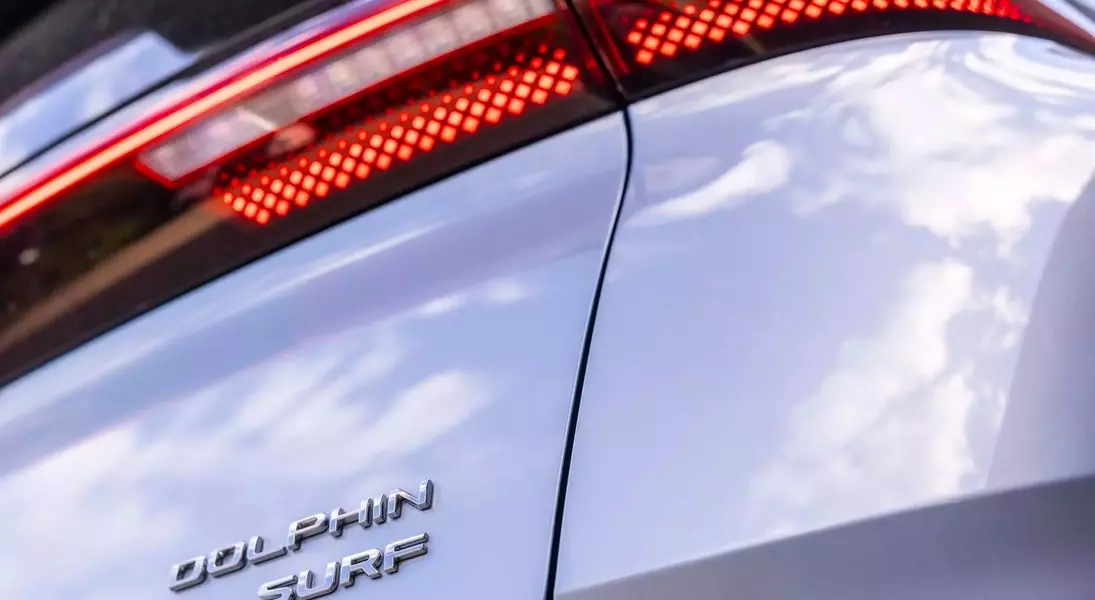
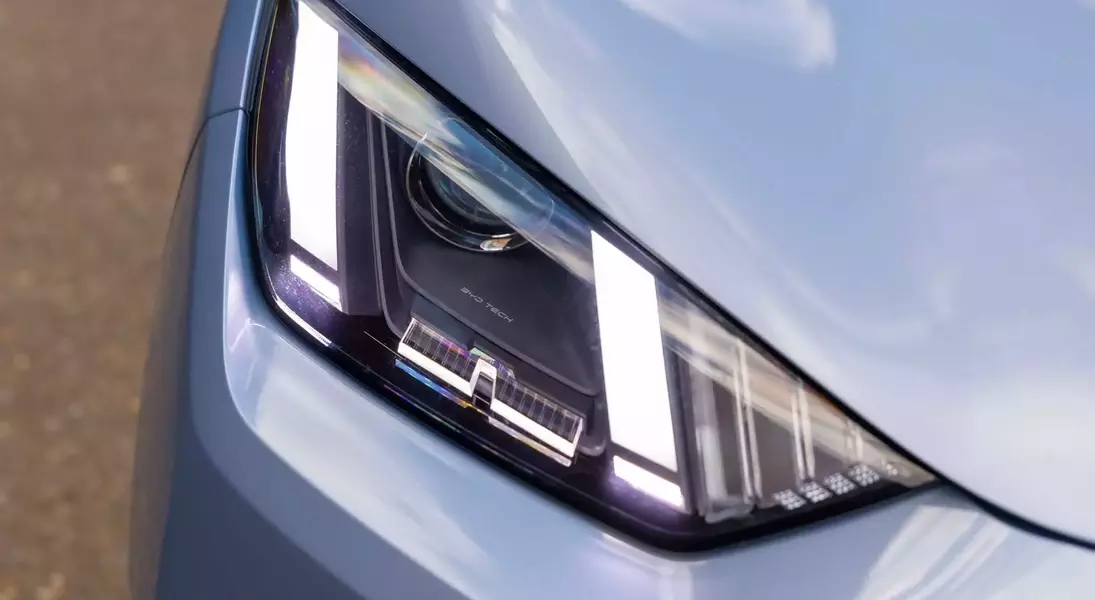
The Chinese automotive giant BYD has officially launched its 2026 Dolphin Surf electric vehicle in the European market. This subcompact EV is positioned to make a significant impact in the supermini category, offering a blend of compact design and efficient electric performance. With various power options and battery sizes, the Dolphin Surf caters to a diverse range of urban drivers seeking an eco-friendly and practical commuting solution.
BYD Dolphin Surf: A Closer Look at the New European EV
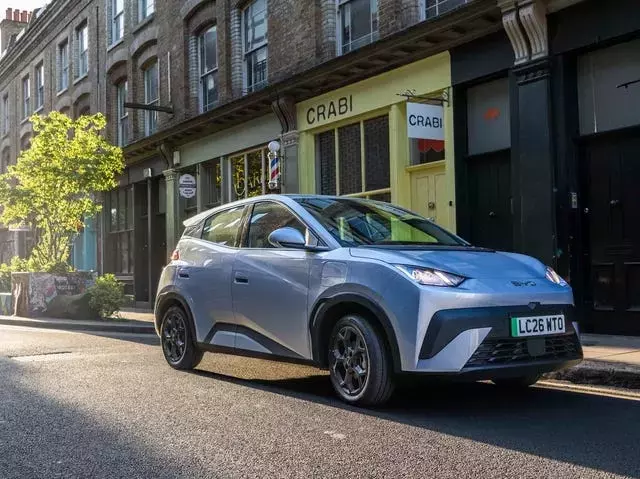
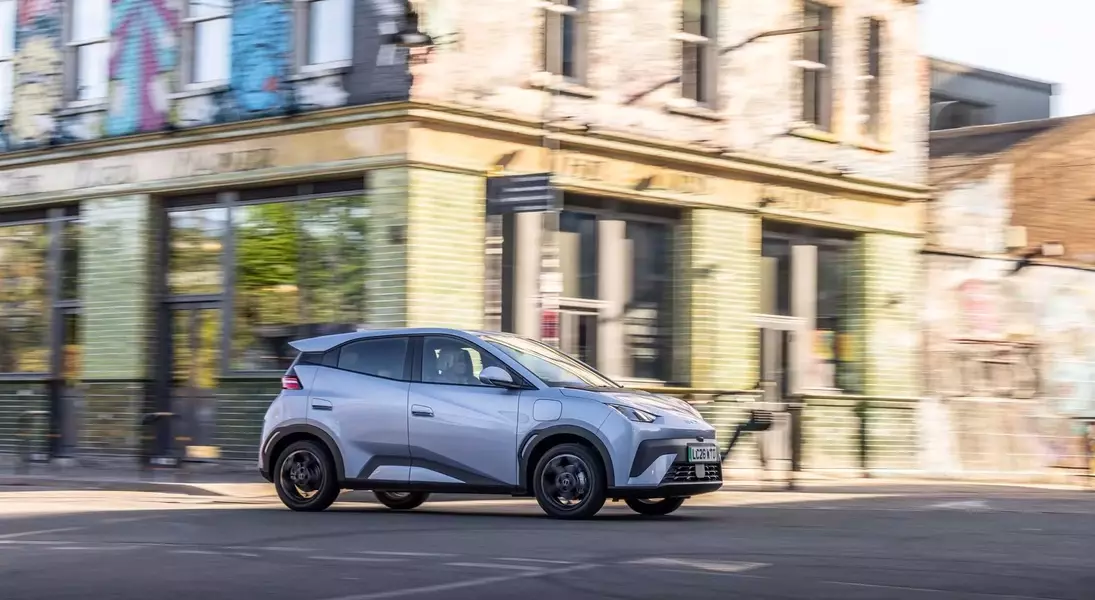
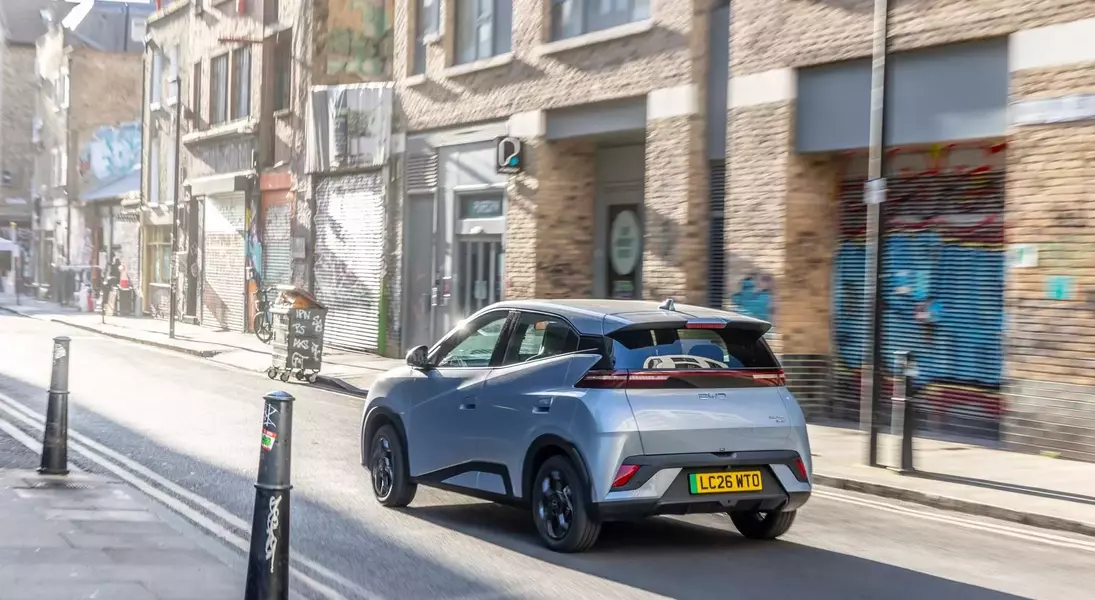
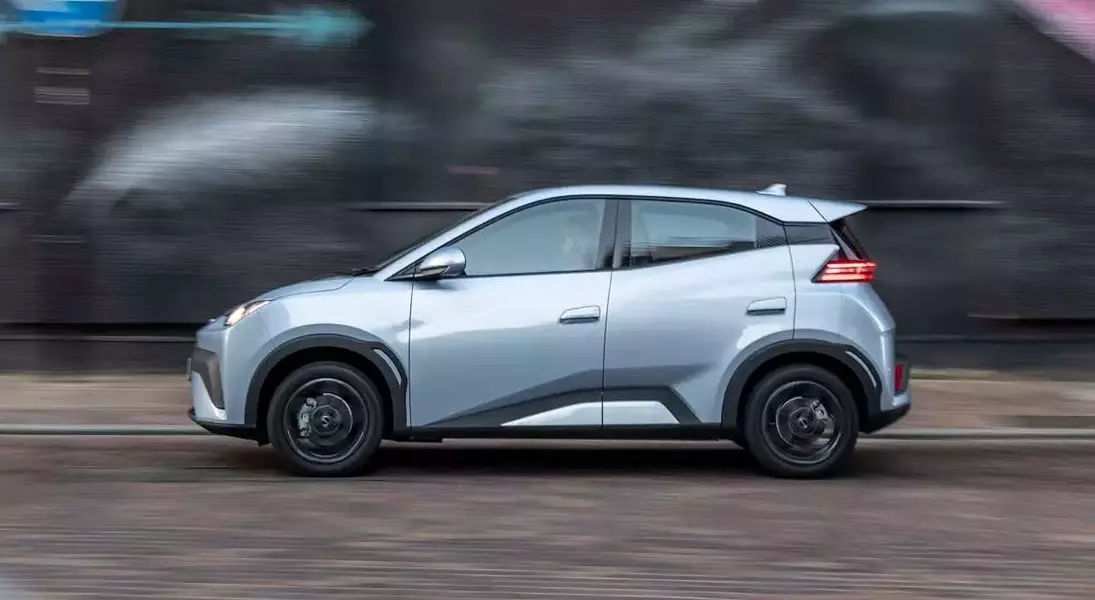
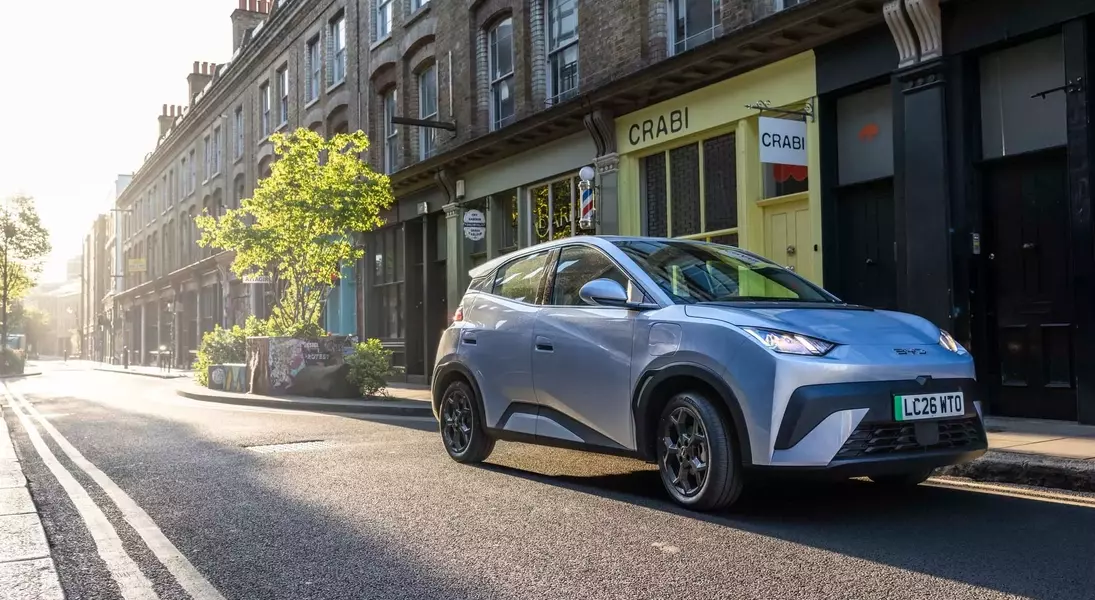
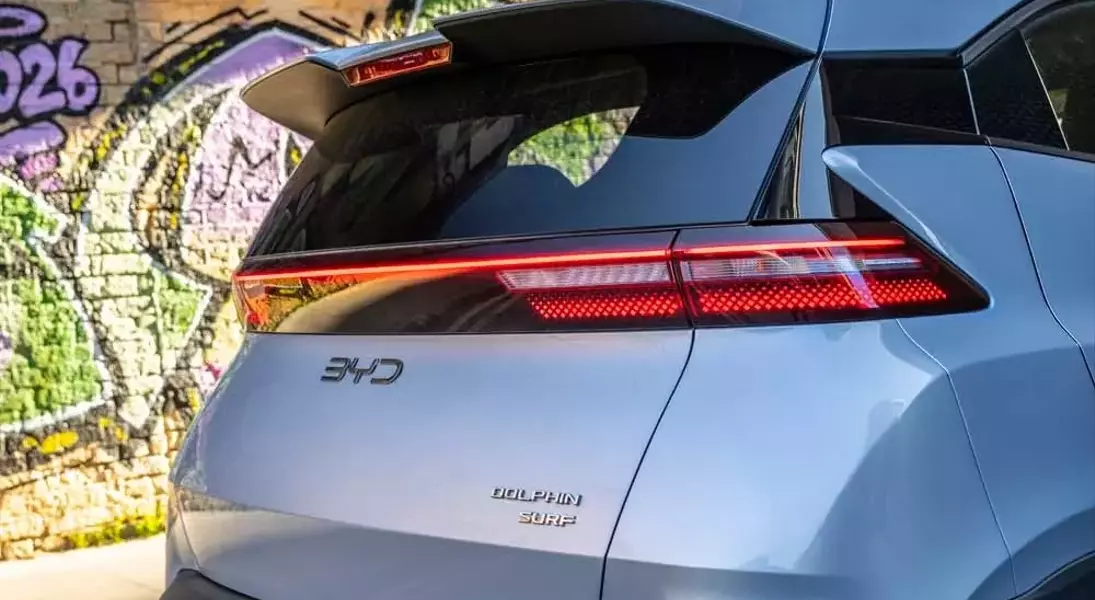
The new 2026 BYD Dolphin Surf, a subcompact electric car, has been introduced by the Chinese automaker BYD and is currently accessible to buyers across Europe. This compact vehicle is engineered to thrive in Europe's supermini sector, a highly competitive market segment. Its exterior design is notably tall and narrow, giving it a distinctive visual presence on the road.
Under the hood, the Dolphin Surf is equipped with a single-motor, front-wheel-drive system, offering two distinct power outputs: an 87-horsepower version and a more robust 154-horsepower variant, catering to different driving preferences. Prospective owners can choose from three trim levels: Active, Boost, and Comfort, allowing for further customization. In terms of battery capacity, the entry-level model features a 30-kWh battery, while the higher trims come with a larger 43-kWh pack, promising varied ranges suitable for city commuting and beyond.
This release signifies BYD's continued expansion into the global electric vehicle market, bringing a fresh, efficient option to European consumers.
The arrival of the BYD Dolphin Surf in Europe underscores the rapidly evolving landscape of the automotive industry. It highlights a growing consumer demand for smaller, more efficient electric vehicles, especially in urban environments. This move by BYD not only intensifies competition in the European EV market but also demonstrates the increasing global influence of Chinese automakers. For consumers, it means more choices for sustainable transportation, potentially at more accessible price points. This development could accelerate the transition to electric mobility across the continent and reshape how we perceive and adopt electric cars for daily use.
