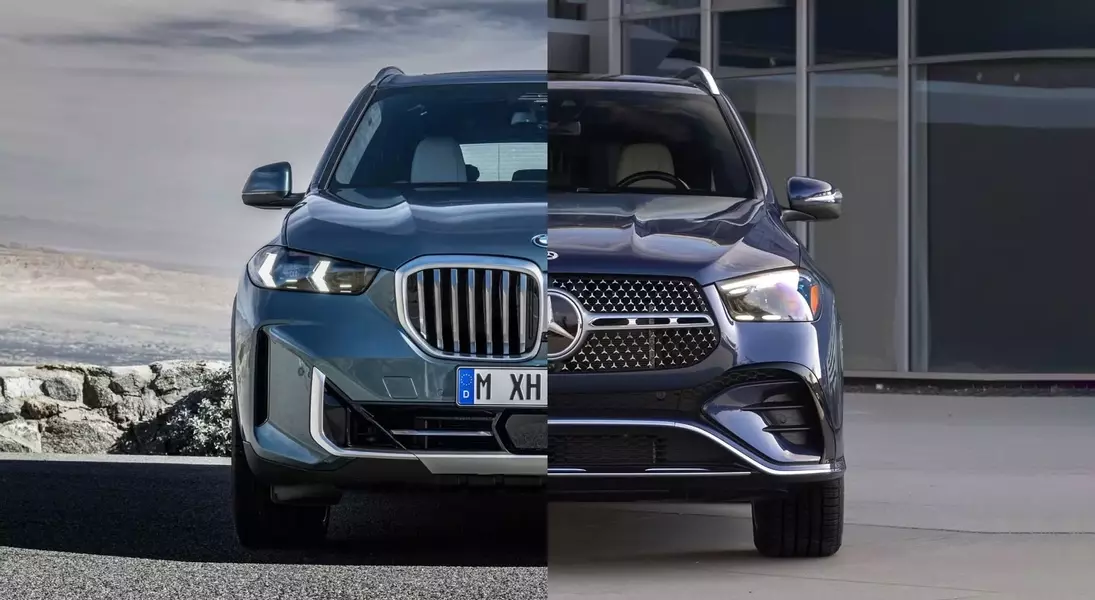
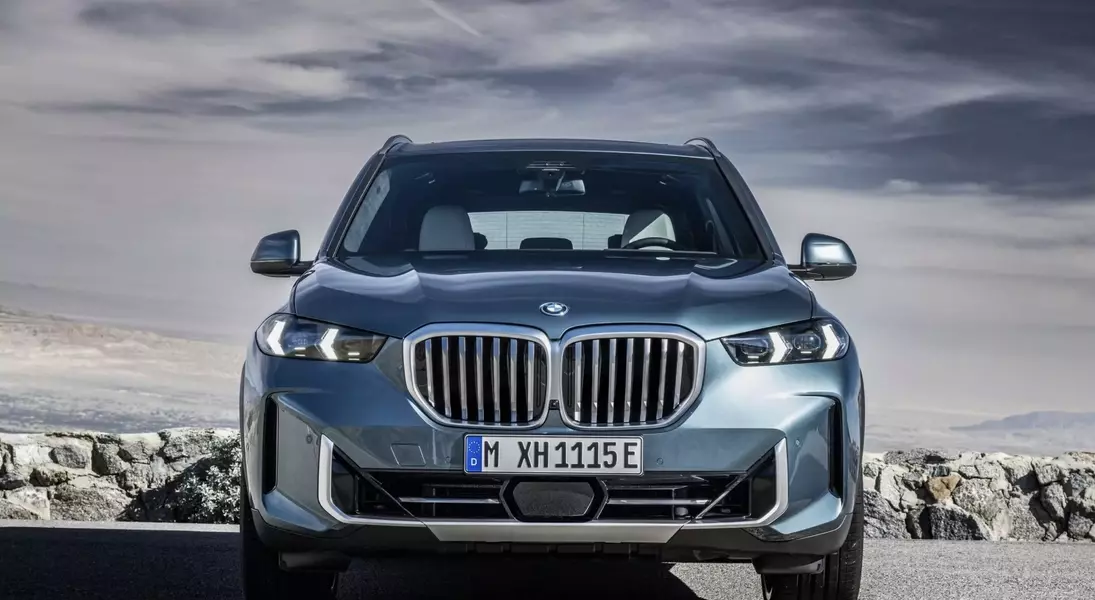
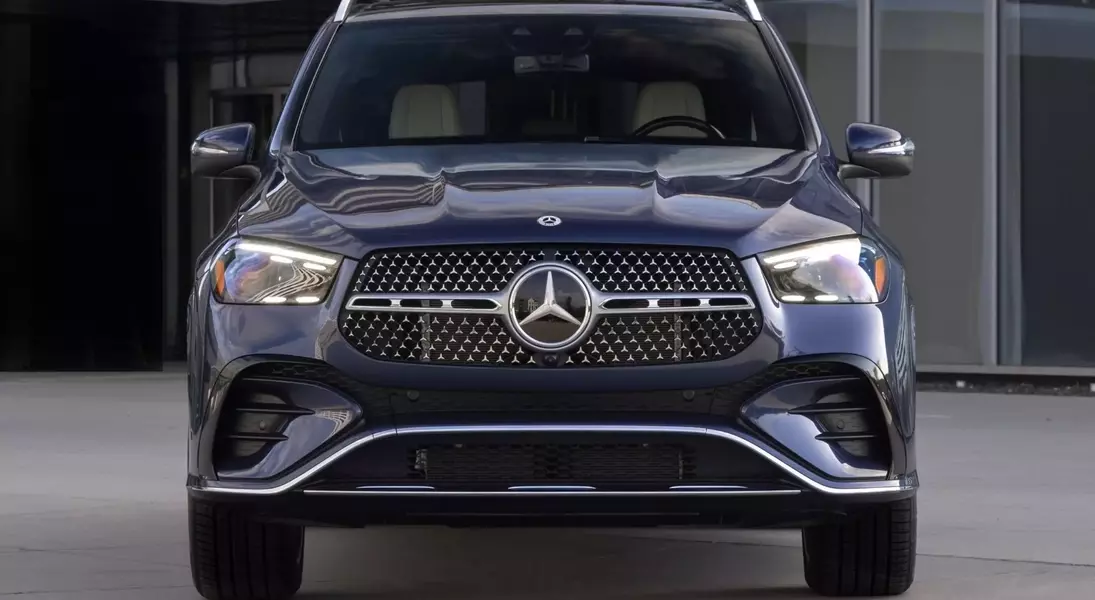
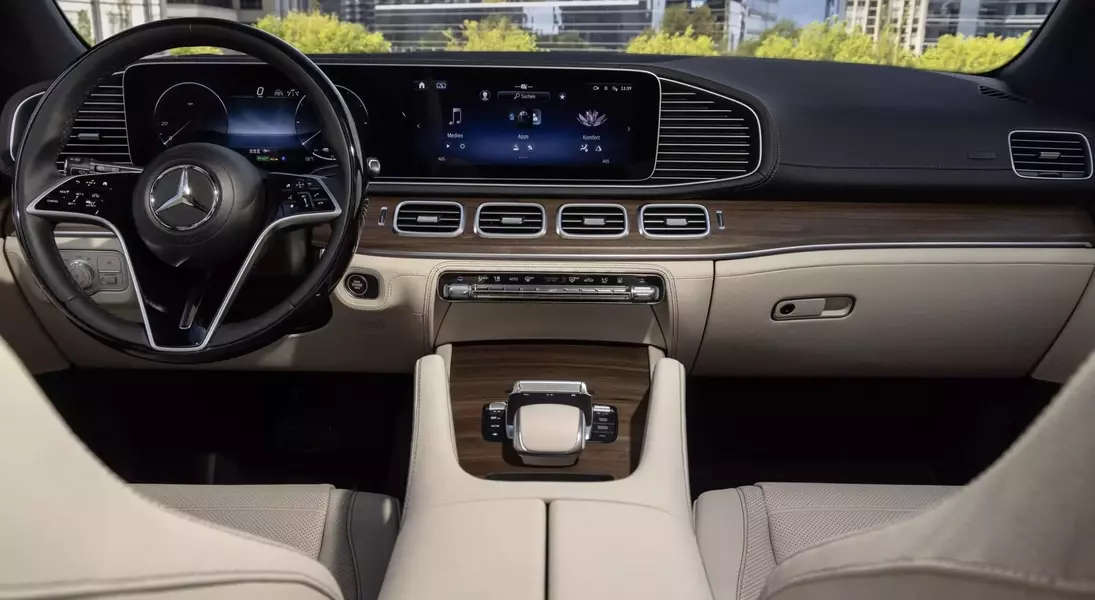
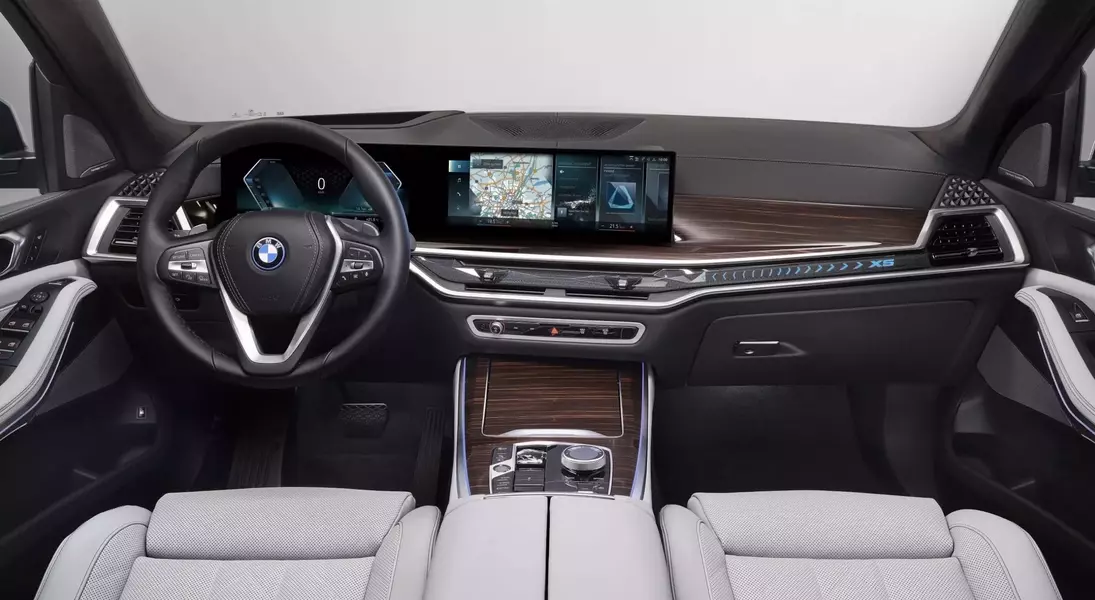
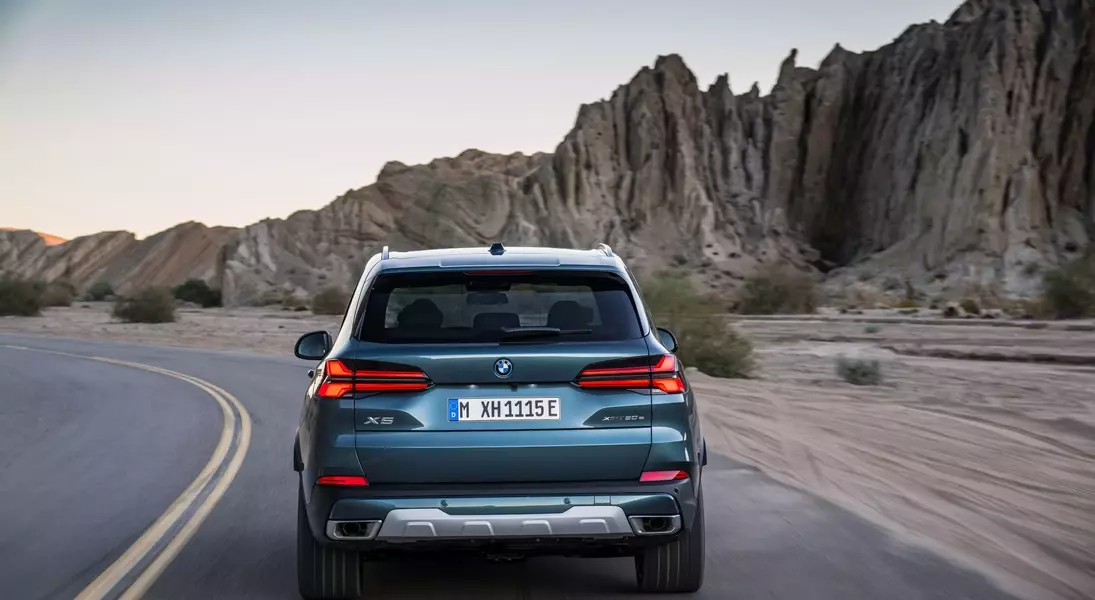
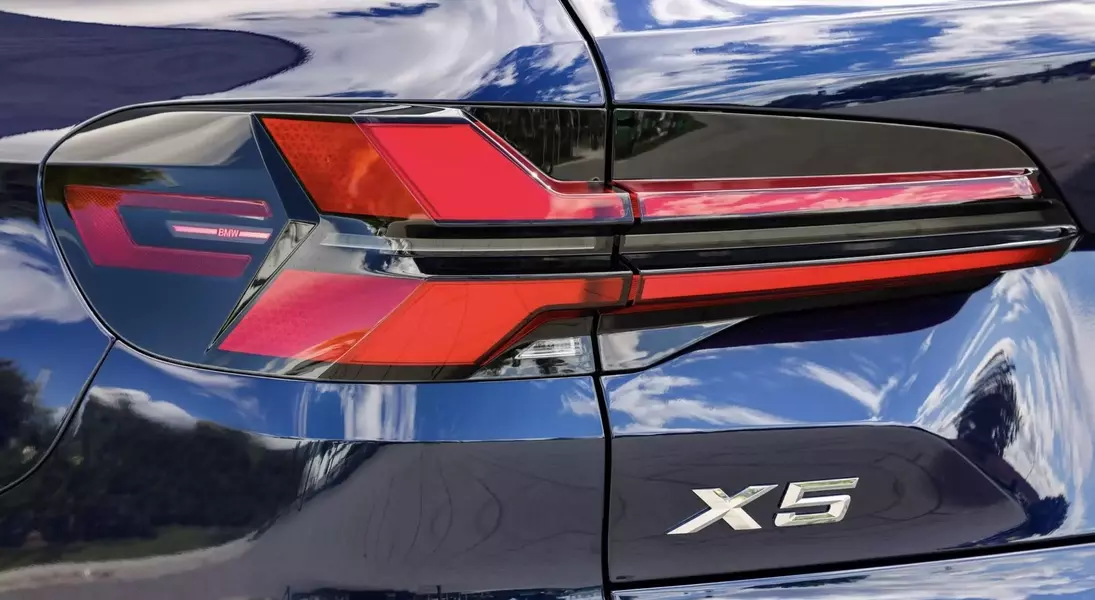
In the competitive realm of luxury mid-size SUVs, the BMW X5 and Mercedes-Benz GLE-Class have long been vying for supremacy, each evolving into highly polished offerings. These vehicles occupy a prime position in their respective manufacturers' lineups, being more opulent than their smaller counterparts like the X3/GLC, yet more manageable than the larger X7/GLS. This analysis delves into three key differentiators that distinguish these two formidable contenders.
Ultimately, the choice between the X5 and GLE hinges on individual priorities. The X5 appeals to those who prioritize driving dynamics and robust standard performance, delivering a consistently engaging and comfortable experience. Conversely, the GLE caters to buyers seeking greater versatility, passenger capacity, and interior comfort, without significantly compromising on luxury. Both vehicles represent the pinnacle of German engineering, offering sophisticated design, advanced technology, and refined driving experiences.
Engine Performance: BMW's Standard Six-Cylinder Advantage
The 2026 BMW X5, in its '40i' configuration, comes equipped with a 3.0-liter turbocharged six-cylinder engine as standard. This powertrain delivers a robust 375 horsepower and 398 lb-ft of torque. In contrast, the base model of the Mercedes-Benz GLE, the GLE 350, features a smaller 2.0-liter four-cylinder turbo engine, producing 255 hp and 295 lb-ft of torque. This difference gives the X5 a significant edge in standard power output, offering a more dynamic driving experience right from the entry-level.
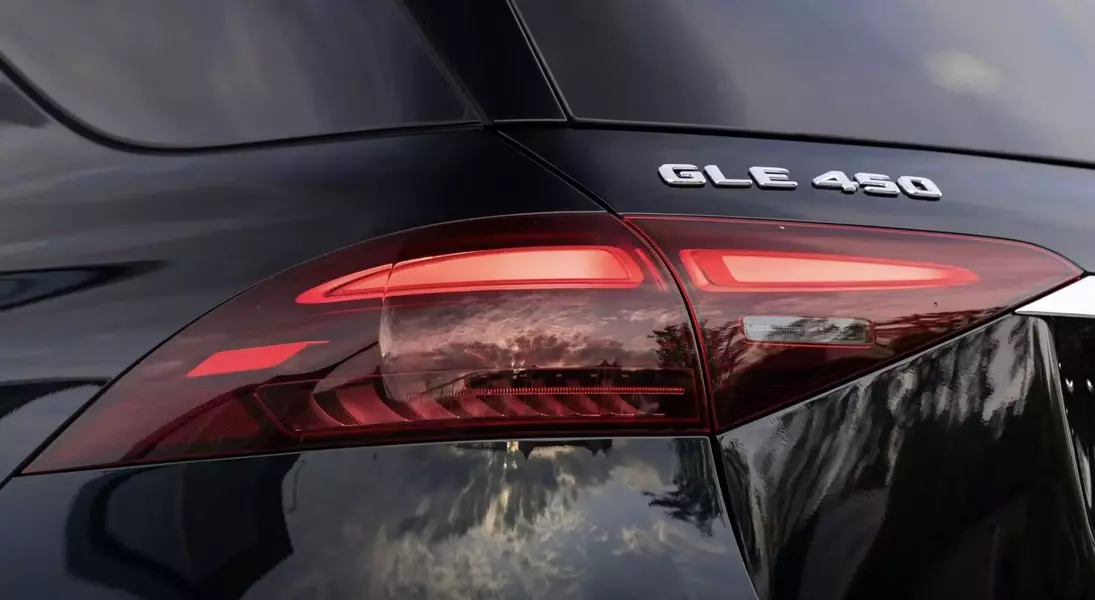
To achieve performance comparable to the X5 40i, prospective GLE buyers would need to upgrade to the GLE 450, which also boasts a 3.0-liter turbo six-cylinder engine, generating an equivalent 375 hp but slightly less torque at 369 lb-ft. However, this upgrade positions the GLE 450 at a higher price point than the X5 40i. While a four-cylinder engine might suffice in a more compact SUV, it often feels underpowered and less refined in a mid-size luxury vehicle like the GLE 350, where smooth, effortless acceleration is expected. The X5's commitment to a standard six-cylinder engine underscores its focus on delivering strong, accessible performance across its range.
Practicality and Space: Mercedes-Benz Offers More Versatility
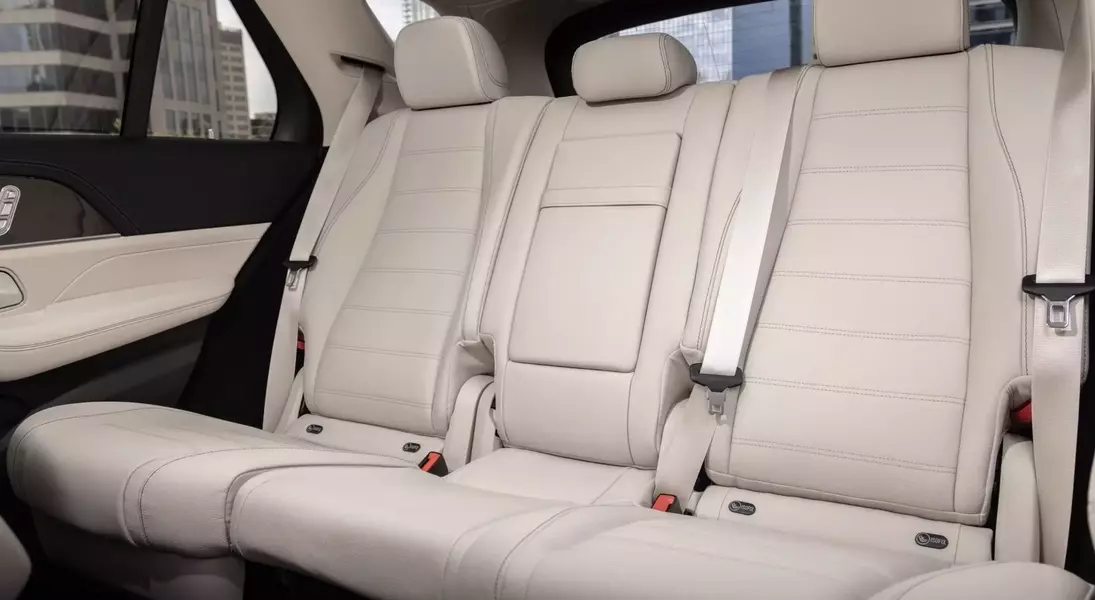
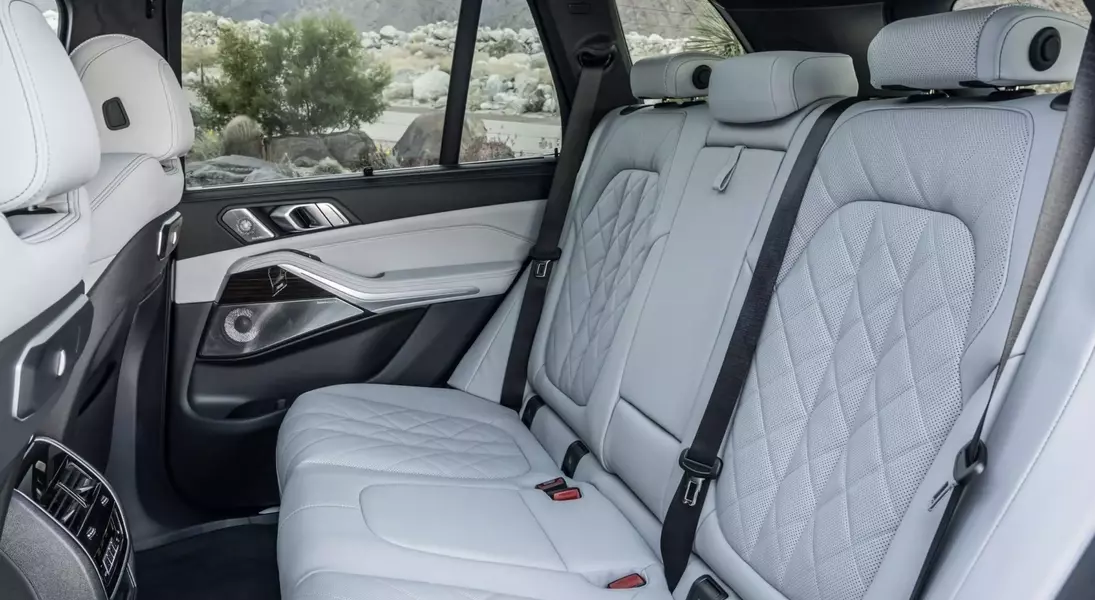
When it comes to practicality and interior space, the Mercedes-Benz GLE-Class presents a more versatile package than the BMW X5. Unlike BMW, which reserves three-row seating exclusively for its larger X7 model, the GLE offers an optional third row. This additional seating, available for an extra cost, includes powered second-row seats and USB-C ports for third-row occupants, enhancing convenience for larger families or those needing occasional extra passenger capacity. While the third row in the GLE is not as spacious as that found in the full-size GLS, it provides a valuable option that the X5 lacks.
Furthermore, the GLE surpasses the X5 in second-row legroom, offering a generous 40.9 inches compared to the X5's 37.4 inches, a noticeable difference for passenger comfort on longer journeys. Although the BMW counters with slightly more headroom, the overall impression and statistical data suggest a more accommodating second row in the GLE. In terms of cargo capacity, both SUVs are closely matched, with the X5 providing 33.9 cubic feet behind its second row versus the GLE's 33.3 cubic feet. However, once the rear seats are folded down, the Mercedes-Benz GLE generally offers slightly more total utility space, making it a marginally more practical choice for hauling larger items.
