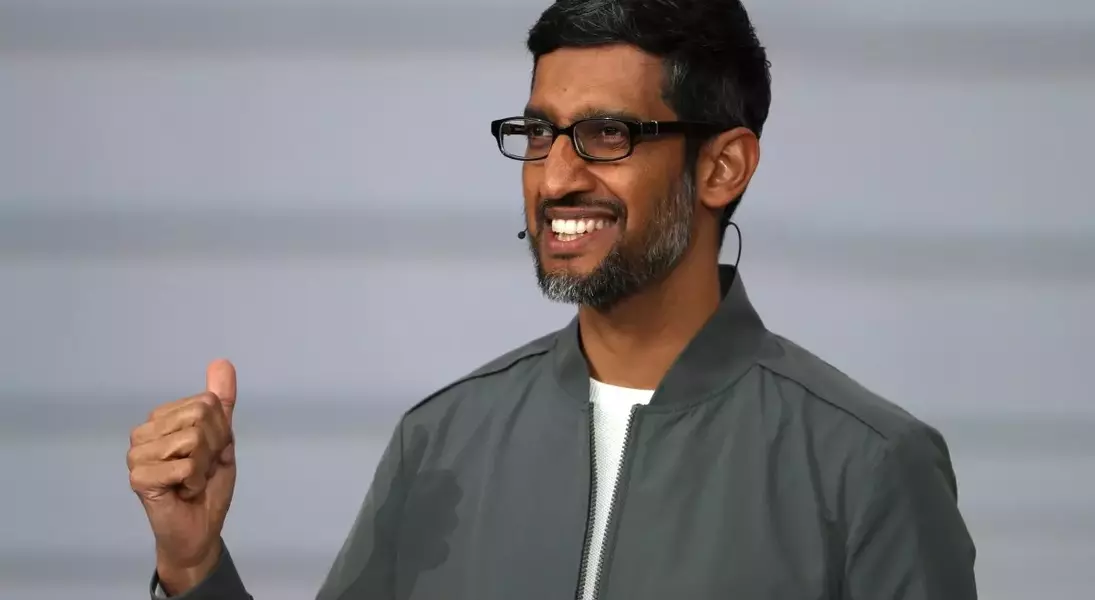
In a candid address to employees, Google CEO Sundar Pichai emphasized the strategic significance of 2025 for the tech giant. During an unconventional holiday-themed strategy meeting on December 18, Pichai underscored the urgency and necessity for accelerated progress in artificial intelligence, acknowledging both the challenges and opportunities that lie ahead.
Seizing the Moment: Why 2025 is Critical for Google's Future
The Urgency of Transformation
The year 2025 looms large as a defining moment for Google. According to Pichai, this period will be pivotal in shaping the company’s trajectory. With competition heating up in the tech sector, especially in the realm of AI, the stakes have never been higher. Pichai stressed the importance of internalizing this urgency and moving swiftly to maintain Google’s competitive edge. The need to innovate rapidly and efficiently is not just a preference; it has become an imperative.Pichai acknowledged that while Google has made strides in various areas, there remains significant work to be done. The company must adapt quickly to evolving market demands and technological advancements. This includes refining its AI capabilities, which are crucial for maintaining leadership in a rapidly changing industry. By focusing on these areas, Google aims to ensure it remains at the forefront of innovation.A Focus on Consumer AI Integration
One of the key priorities for Google in 2025 is scaling its Gemini app on the consumer side. This application, built on the company’s advanced AI model, holds immense potential but also presents unique challenges. Pichai highlighted the strong momentum already achieved with Gemini, yet recognized that more effort is needed to fully realize its capabilities.Scaling Gemini for consumer use involves more than just technical development; it requires a deep understanding of user needs and preferences. Google plans to invest heavily in enhancing the user experience, ensuring that Gemini becomes an indispensable tool for everyday tasks. This focus on consumer integration underscores Google’s commitment to making AI accessible and beneficial for all users, not just tech enthusiasts.Closing the Gap in AI Leadership
Despite its strengths, Google faces stiff competition in the AI space. Pichai openly admitted that the company has some catching up to do. Competitors have made significant strides in AI, particularly in applications that directly impact consumers. To regain and establish a leadership position, Google must close this gap swiftly and effectively.This involves not only improving existing technologies but also exploring new frontiers in AI research. Pichai emphasized the importance of fostering a culture of innovation within the company. By encouraging collaboration and open dialogue among teams, Google can harness collective expertise to drive breakthroughs. The goal is clear: to emerge as a leader in AI by 2025, setting new standards for what technology can achieve.Navigating the Challenges Ahead
The path to achieving these ambitious goals is fraught with challenges. Market dynamics are unpredictable, and emerging trends can shift rapidly. Pichai urged employees to stay agile and responsive, ready to pivot strategies when necessary. Embracing change and adapting to new circumstances will be crucial for success.Moreover, the ethical implications of AI cannot be overlooked. As Google pushes forward with its AI initiatives, it must also prioritize responsible development. Ensuring that AI technologies are used ethically and transparently will build trust with users and stakeholders alike. Pichai reiterated the company’s commitment to ethical AI practices, recognizing that this is essential for long-term sustainability.You May Like