In the lead-up to 2026, an intriguing cultural phenomenon has taken hold: a collective yearning for the year 2016. This renewed interest, fueled by a desire for simpler times and a less fragmented digital landscape, is visibly shaping current fashion, marketing strategies, and social media dynamics. While the political and global events of 2016 were far from idyllic, contemporary enthusiasts are selectively embracing the era's cultural hallmarks, from celebrity moments to specific style trends. This retrospective glance offers valuable insights into consumer preferences for communal experiences and authentic content, pushing brands to consider how to channel this nostalgic spirit creatively rather than merely replicating past successes.
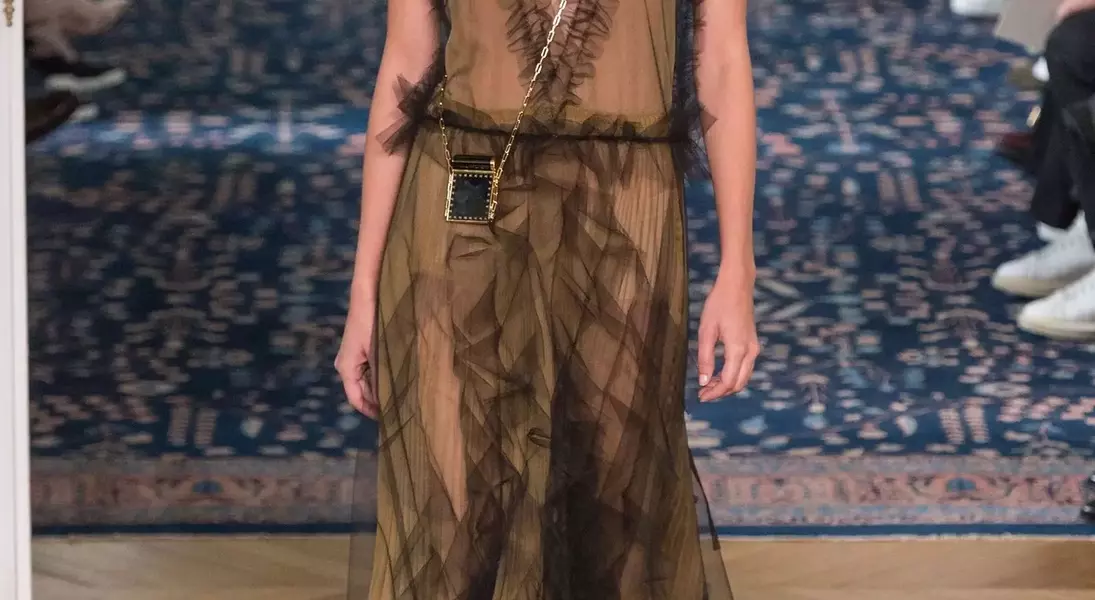
The mid-2010s, particularly 2016, is being revisited as a period of relative cultural unity and lightheartedness. Social media platforms, in their earlier iterations, fostered a sense of collective experience, a stark contrast to the algorithm-driven echo chambers prevalent today. This collective sentiment has led to a re-evaluation of trends that defined 2016. Fashion, in particular, saw significant moments, such as Beyoncé's iconic yellow ruffled dress and Lady Gaga's appearance at Marc Jacobs's show. Beyond the runway, the year was marked by viral sensations like Pokémon Go and the Mannequin Challenge, events that fostered widespread participation and shared amusement. Experts note that this longing isn't for the socio-political realities of 2016, which included Brexit and significant global challenges, but rather for the playful, less polished cultural atmosphere of the time.
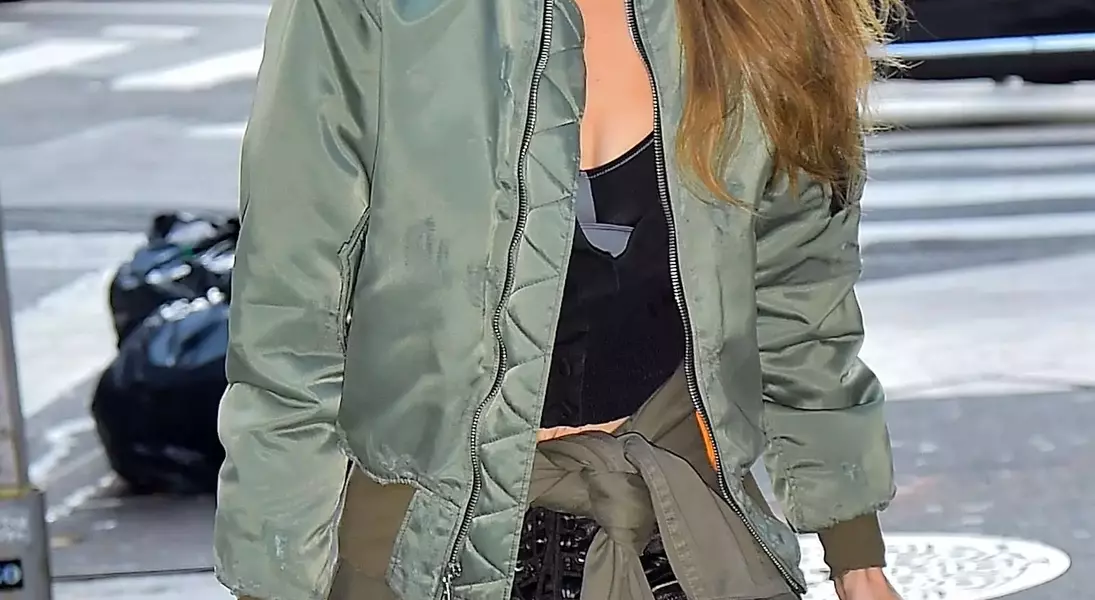
The influence of 2016 is particularly evident in the resurgence of certain fashion elements and the evolution of merchandise culture. Bomber jackets, a dominant force in 2016 fashion, are making a comeback, with recent collections from major designers featuring updated interpretations of the style. Chokers, another signature accessory of the era, are also seeing a renewed interest, albeit with a modern twist. The concept of 'merch-as-fashion' gained significant traction in 2016, propelled by artists like Kanye West and Justin Bieber, transforming band merchandise into coveted fashion statements. This trend continues to evolve, with brands leveraging collaborations and pop-up experiences to create cultural moments around their products, extending beyond traditional concert merchandise to encompass films and other media.
Moreover, the current desire for authenticity and "human slop" in content reflects a reaction against the overly curated and AI-generated digital landscape of today. Consumers are seeking genuine, unfiltered experiences, reminiscent of the less aggressive algorithms and more personal social media interactions of 2016. This shift encourages brands to embrace imperfection and a touch of chaos, moving away from hyper-polished aesthetics towards content that feels more relatable and real. This approach, exemplified by campaigns featuring raw, unedited visuals, aims to tap into the emotional tone of a less fragmented digital past, fostering a sense of community and connection that many feel is missing in the present.
While nostalgia offers a powerful shortcut for engaging consumers, brands face the challenge of channeling the spirit of 2016 without merely rehashing old trends. The key lies in reinvention, blending past influences with modern storytelling to create something fresh and emotionally resonant. Blindly recreating past successes risks consumer fatigue and diluting brand equity. Instead, the focus should be on capturing the carefree, communal essence of 2016, adapting it to contemporary contexts, and fostering big, unifying cultural moments. This balanced approach allows fashion and culture to move forward, learning from the past while innovating for the future, rather than simply dwelling on a romanticized, perhaps not entirely accurate, version of "the good old days."
