














In 2001, the automotive landscape was buzzing with exciting new sports sedans, and a significant comparison test brought together some of the era's most prominent contenders. This detailed evaluation showcased vehicles from leading manufacturers such as Audi, BMW, Lexus, Mercedes-Benz, Saab, and Volvo, each vying for supremacy in the highly competitive luxury performance segment. The review provided a critical look at their engineering, design, and driving dynamics, offering valuable insights into what made these cars stand out. This retrospective analysis delves into the nuances of each model, examining their individual strengths and how they collectively shaped the market's perception of high-performance luxury at the time. By revisiting this pivotal comparison, we gain a deeper appreciation for the technological advancements and design trends that defined early 21st-century automotive excellence.
This article aims to recapture the essence of that 2001 comparison test, bringing to light the innovative features and performance metrics that were crucial to these vehicles' appeal. From the dynamic handling of the BMW 325i to the sophisticated all-wheel-drive system of the Audi A4 Quattro, each car presented a unique proposition to discerning buyers. The Mercedes-Benz C240 offered refined luxury, while the Lexus IS300 brought a fresh, sporty Japanese perspective to a predominantly European market. Saab's 9-3 and Volvo's S60 T5, with their distinctive Scandinavian engineering, provided alternative choices emphasizing safety and unique design. Understanding these models' characteristics helps us trace the evolution of the sports sedan category and recognize their lasting impact on automotive design and performance.
The European Challengers: German and Swedish Engineering
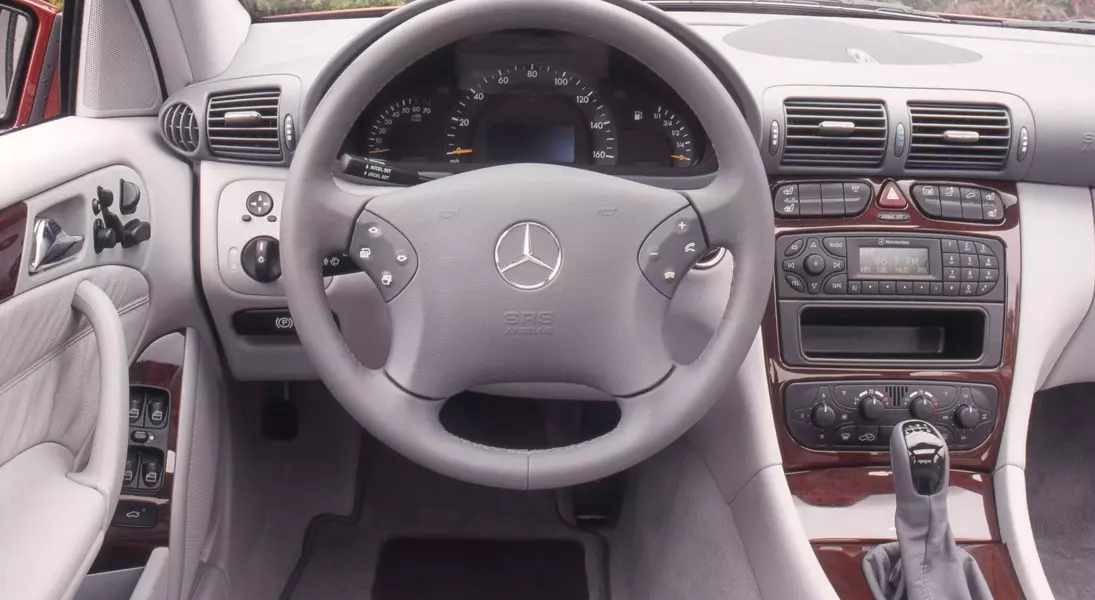
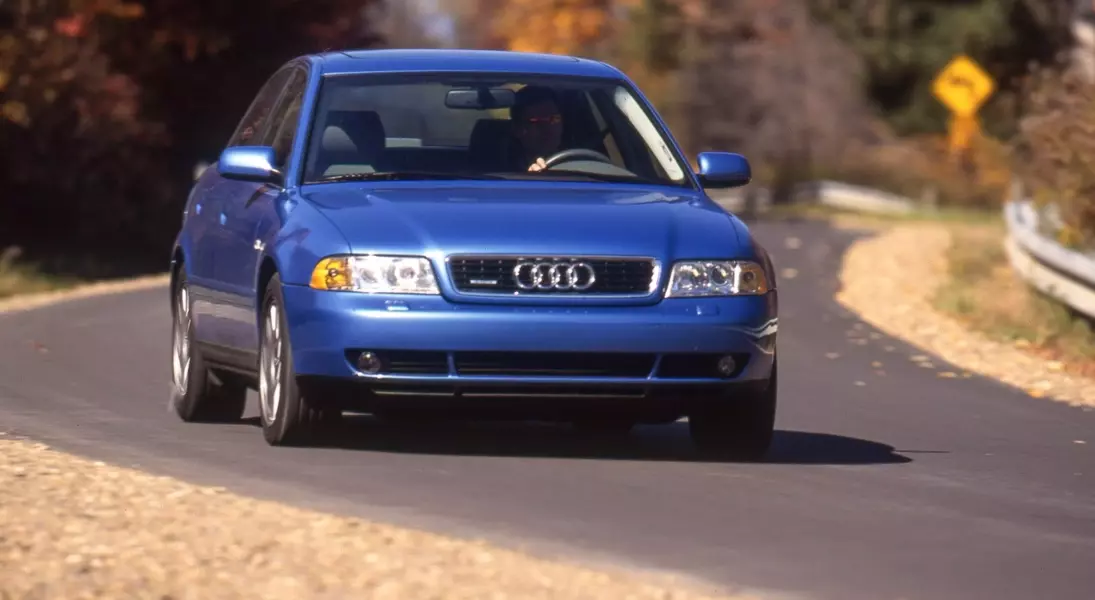
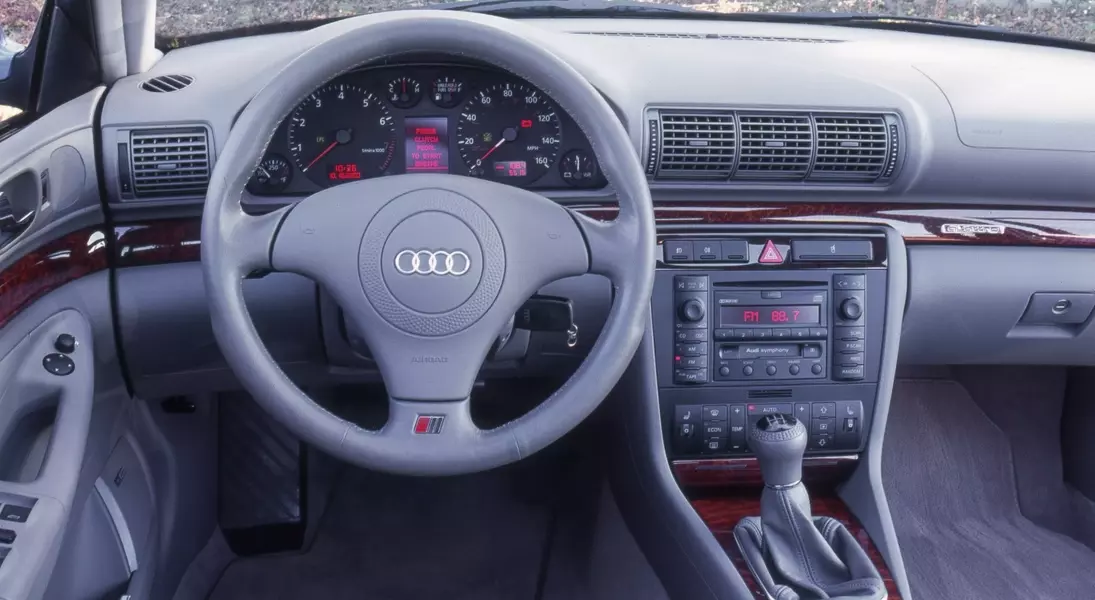
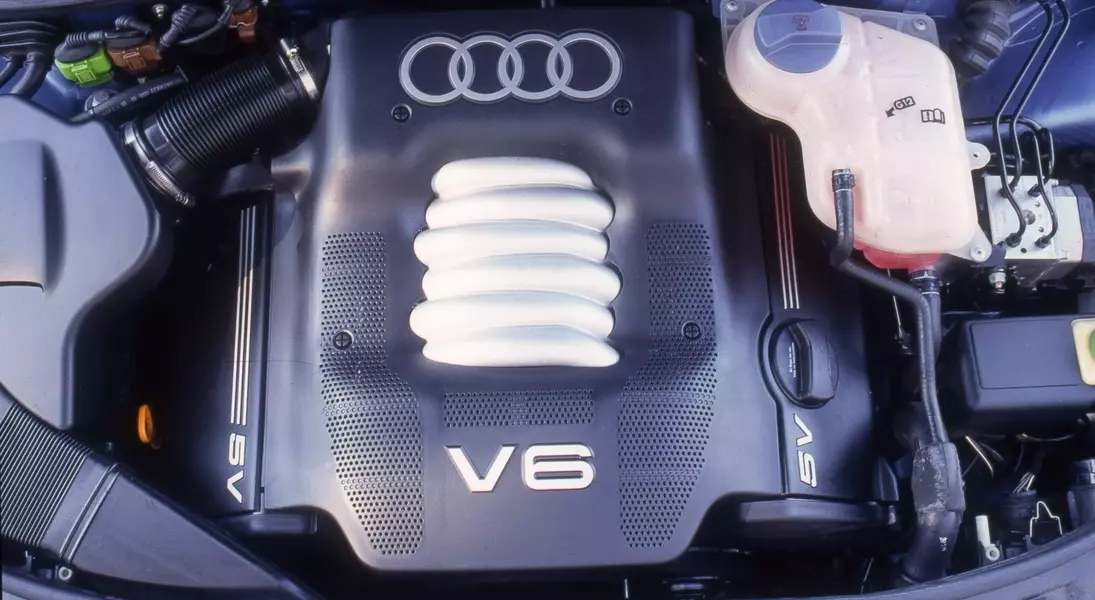
The 2001 sports sedan comparison prominently featured several distinguished European models, each bringing a unique blend of performance, luxury, and driving experience to the forefront. BMW’s 325i, known for its iconic rear-wheel-drive dynamics and engaging handling, stood as a benchmark for driving enthusiasts. Its precise steering and well-balanced chassis provided an unparalleled connection to the road. Mercedes-Benz countered with the C240, a vehicle that epitomized traditional luxury, comfort, and refined elegance. The C240 focused on a smooth, serene ride and a meticulously crafted interior, appealing to those who prioritized sophisticated motoring. Audi’s A4 2.8 Quattro offered a compelling alternative with its advanced all-wheel-drive system, delivering superior traction and stability, particularly in challenging weather conditions, combined with a luxurious and understated cabin design.
Beyond the German powerhouses, the comparison also included two distinctive Swedish entries: the Saab 9-3 and the Volvo S60 T5. Saab, with its quirky yet innovative design, presented the 9-3 as a front-wheel-drive sedan focused on practical luxury and turbocharged performance. Its unconventional ignition placement and unique cockpit design set it apart, reflecting Saab's aircraft heritage. The Volvo S60 T5, on the other hand, emphasized safety, robust engineering, and powerful turbocharged engines. Volvo's commitment to occupant protection was evident, while the T5 variant added a layer of exhilarating performance, making it a strong contender for buyers seeking both security and speed. These European models collectively represented a rich tapestry of automotive engineering, each with a distinct philosophy influencing their design and performance.
Asian Contender and Overall Market Impact
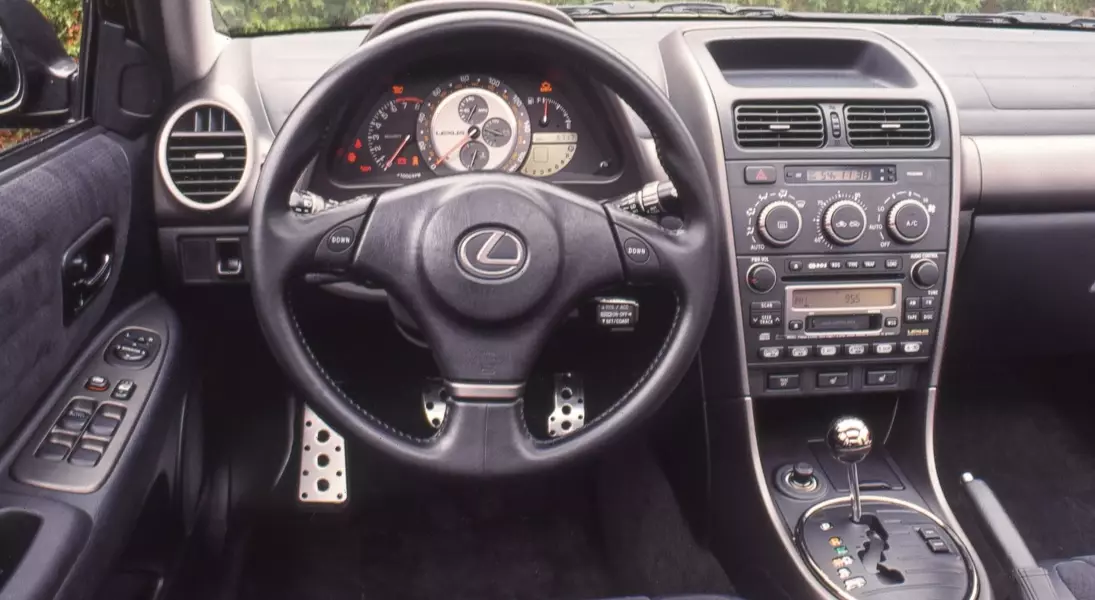
In addition to the European contingent, the 2001 sports sedan comparison also spotlighted the Lexus IS300, a Japanese entry that aimed to disrupt the established dominance of European luxury brands. The IS300, with its inline-six engine and rear-wheel-drive layout, was engineered to deliver a spirited driving experience comparable to its German rivals, but with the added benefits of Lexus's renowned reliability and build quality. Its distinctive design, including chronograph-style gauges, and a focus on driver engagement, made it a fresh and appealing choice for consumers looking for a blend of sportiness and everyday usability. The Lexus IS300 successfully carved out a niche for itself, demonstrating that Asian manufacturers could compete directly in the premium sports sedan segment by offering a compelling package of performance, luxury, and value.
The overall impact of this 2001 comparison test extended beyond just highlighting individual vehicle merits. It provided a snapshot of the intense competition and diverse offerings within the sports sedan market at the turn of the millennium. The evaluation underscored the evolving preferences of luxury car buyers, who were increasingly seeking vehicles that combined dynamic performance with comfort, advanced features, and distinctive styling. This era marked a significant period of innovation, with manufacturers continually pushing boundaries in engine technology, chassis tuning, and interior appointments. The insights gleaned from such comprehensive reviews helped consumers make informed decisions and spurred further advancements across the automotive industry, ultimately contributing to the development of more refined and high-performing luxury vehicles in subsequent years.
