









In December 1997, a comprehensive analysis emerged, pitting the 1998 Audi A4 Avant Quattro against the Volvo V70 AWD. This evaluation underscored the differing market trajectories of station wagons, which, despite a wane in popularity in the United States due to the rise of minivans and SUVs, continued to thrive in Europe. The comparison meticulously examined various facets of both vehicles, including their powertrain configurations, dimensions, performance metrics, interior amenities, and overall driving experiences. The report aimed to discern which of these European wagons offered a more compelling package for the discerning driver, ultimately revealing a preference for one while acknowledging the distinct merits of the other in an evolving automotive landscape.
The American automotive scene witnessed a notable shift away from station wagons following the proliferation of minivans and, subsequently, sport-utility vehicles. This trend saw families opting for larger, often less dynamic alternatives like the Dodge Caravan and Ford Explorer. However, across the Atlantic, European markets maintained a strong appreciation for wagons, fostering continuous innovation in their design and engineering. This stark contrast in market preferences sets the stage for a comparative analysis of two prominent European offerings.
At first glance, the Audi A4 Avant Quattro and the Volvo V70 AWD appeared to be a study in contrasts. The Volvo, equipped with a 20-valve turbocharged inline five-cylinder engine and a four-speed automatic transmission, presented a larger profile and a more substantial price tag, nearly $6000 higher than its Audi counterpart. The Audi, meanwhile, featured a 30-valve V-6 engine paired with a five-speed manual transmission. Despite these differences, particularly in size and initial cost, a deeper dive into their performance characteristics revealed a surprising parity in areas critical to driver satisfaction.
The Volvo V70 AWD, building on a design legacy spanning three decades, represented Volvo's continued commitment to the wagon segment, which accounted for a significant portion of its sales. The introduction of an all-wheel-drive option in the V70 marked a significant enhancement. This AWD system, utilizing a viscous coupling, intelligently redistributed torque to maintain optimal traction, typically directing 95 percent of power to the front wheels but capable of shifting up to 95 percent to the rear when necessary. Despite its considerable curb weight, the V70 AWD demonstrated impressive agility on winding roads, matching the lighter Audi stride for stride, largely due to its potent 190-hp low-pressure turbo engine. This engine delivered robust performance with virtually no turbo lag, making it a highly responsive and engaging powerplant.
However, the Volvo was not without its criticisms. Its exterior styling, characterized by familiar brick-like aesthetics, drew remarks for being less contemporary than the Audi. Specific design elements, such as the vertical taillights and rear wing, were noted for eliciting less favorable opinions. Inside, while spacious and comfortable with its leather-lined interior, the test drivers generally preferred the firmer, more upscale feel of the Audi's seating. Brake fade experienced during aggressive driving and certain interior design choices, like the white-on-gray instrumentation and dashboard texture, also faced scrutiny. Nevertheless, the V70 was lauded for its safety features, including shoulder belts and headrests for all occupants, and front side airbags, securing top marks in this crucial category. Furthermore, the build quality of the V70 showed improvements over previous Volvo wagon models, indicating a focus on refinement.
The Audi A4 Avant Quattro emerged as the preferred choice, largely owing to its superior aesthetic appeal and dynamic driving experience. Its sleek proportions and attractive design were universally praised, with many considering it the most visually appealing wagon available. Beyond its looks, the A4 Avant delivered a thrilling and engaging drive, characterized by exceptional grip and responsive handling. The test model, equipped with a Sport package, benefited from stiffer springs, more aggressive shock damping, and heavier anti-roll bars, further enhancing its performance capabilities. Although some minor issues were noted, such as excessive vertical motion in the suspension and a desire for more precise manual transmission feel, the Audi's overall driving prowess was undeniable.
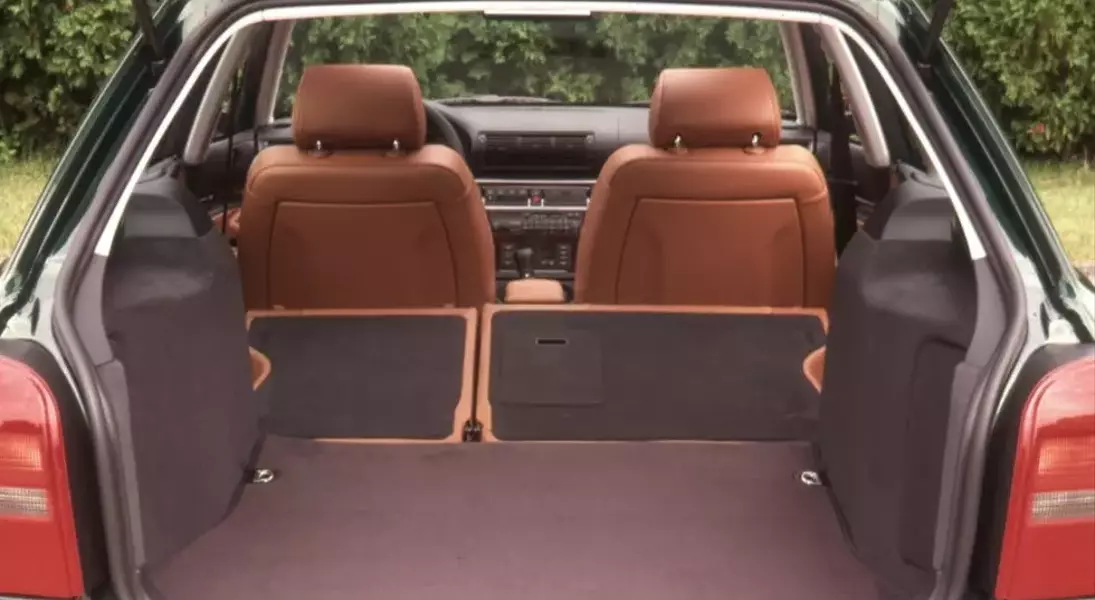
The Audi's V-6 engine, an updated 190-hp unit with five valves per cylinder, provided strong acceleration, feeling best when shifting before the redline, thanks to its high torque output. Its favorable power-to-weight ratio and manual transmission gave it a slight edge over the Volvo in track performance. Inside, the A4 boasted a sophisticated black and saddle-tan interior, exuding a premium feel. While not as spacious as the Volvo, its high-quality leather and thoughtful details, such as padded storage cubbies, contributed to a refined cabin experience. The A4's advanced all-wheel-drive system, featuring a Torsen center differential and electronic locking differentials, ensured exceptional traction and stability across various conditions.
Ultimately, the Audi A4 Avant Quattro stood out not only for its captivating style and engaging performance but also for its compelling value. With an estimated as-tested price of $33,000, it offered a comprehensive package of performance, aesthetics, comfort, convenience, and safety features for nearly $7000 less than the comparably equipped Volvo V70. For consumers seeking a blend of sporty driving dynamics and practical cargo utility within a stylish European wagon, the A4 Avant proved to be an irresistible choice.
