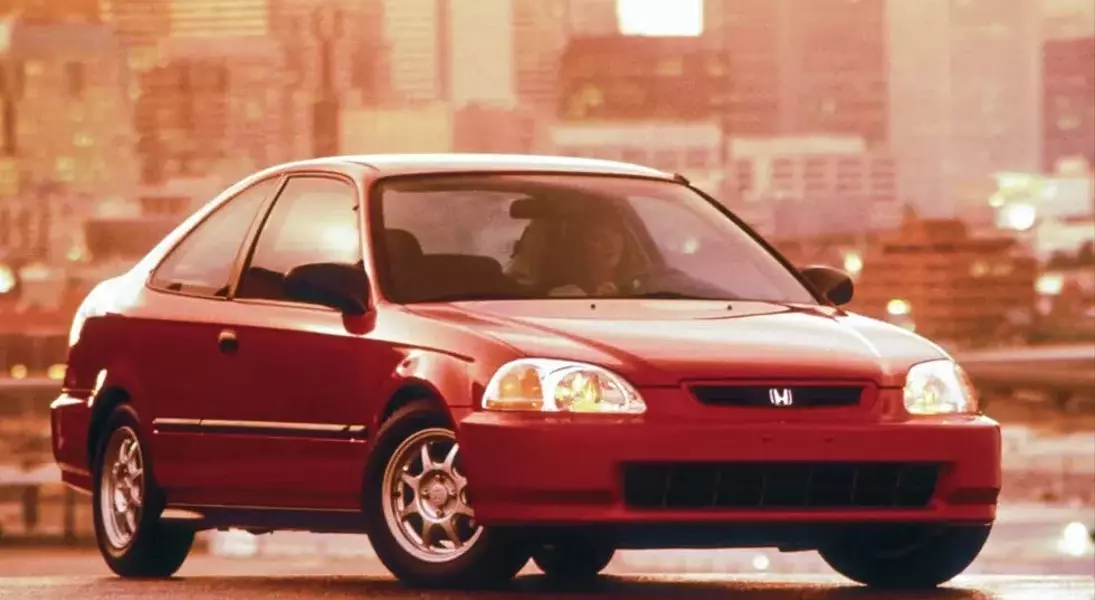
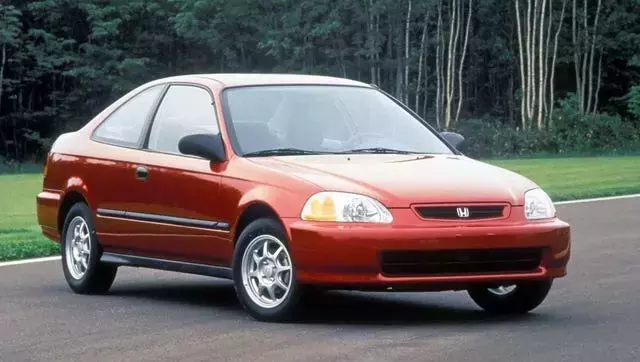
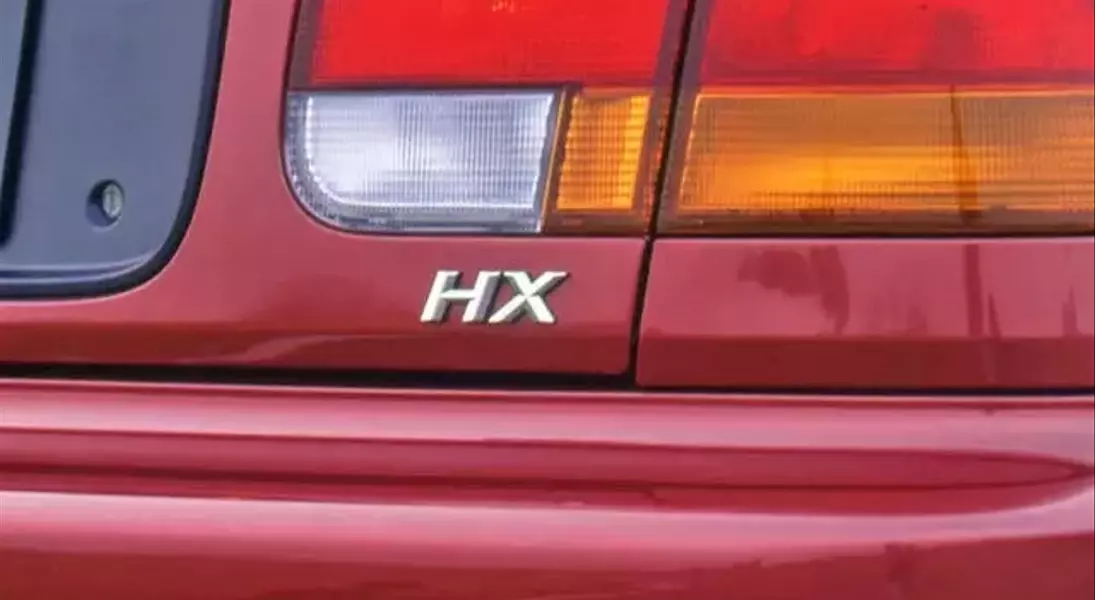
The 1996 Honda Civic HX Coupe, a significant milestone in the Civic's celebrated 24-year history, ushered in its sixth generation with a blend of refreshed aesthetics and pioneering technology. This particular model captured attention for its innovative Continuously Variable Transmission (CVT), a feature designed to enhance both performance and fuel efficiency. Coupled with an upgraded VTEC-E engine, the HX Coupe presented a forward-thinking approach to compact car design and engineering, offering drivers a refined and efficient motoring experience.
The 1996 Honda Civic HX Coupe: Unveiling a New Era of Efficiency and Design
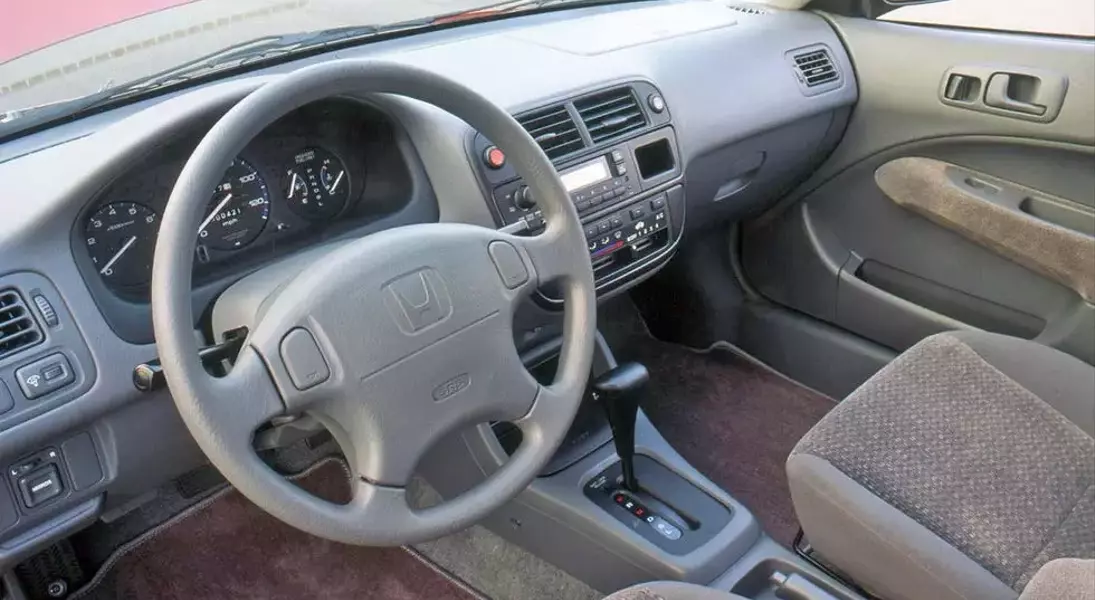
In the spring of 1996, the automotive world witnessed the debut of the sixth-generation Honda Civic, a vehicle that continued its legacy as a top-tier econocar. The HX Coupe variant, in particular, showcased a striking redesign and advanced powertrain technologies. Its exterior featured an elegant, flowing roofline, complemented by innovative “free-form reflector” headlamps and elongated, multi-lens taillights. The car's dimensions grew slightly, with an increase in length and height, providing a more spacious cabin. Inside, the instrument panel received a modern update, crafted from recyclable polypropylene to minimize glare and house a comprehensive set of gauges including a large speedometer and a tachometer. Dual airbags were standard, emphasizing Honda's commitment to safety.
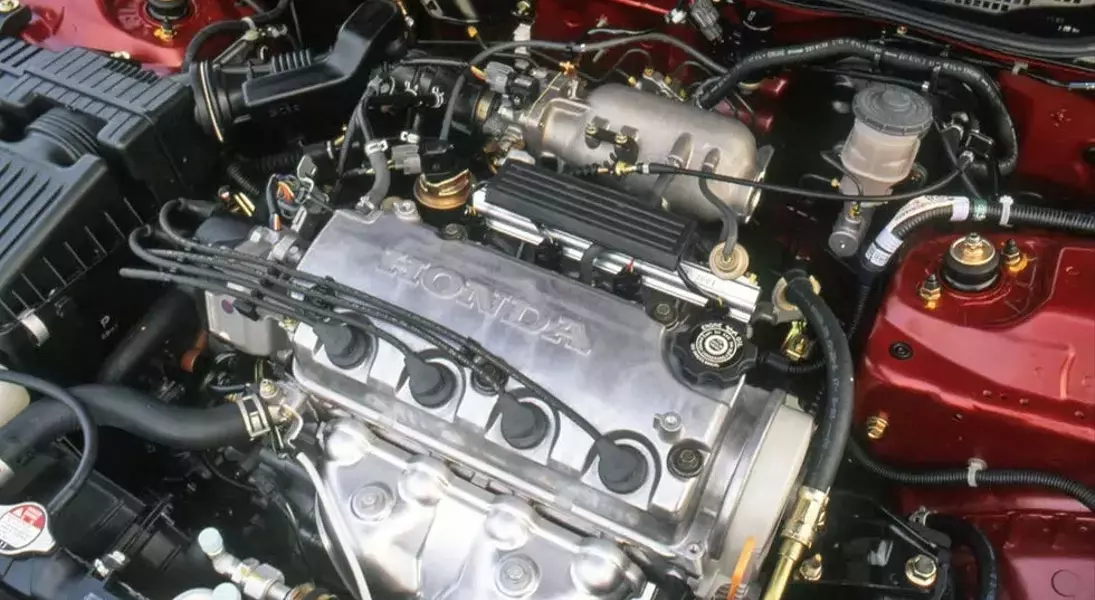
Under the hood, the HX Coupe was powered by an improved 1.6-liter single-cam 16-valve VTEC-E (Variable Valve Timing and Lift Electronic Control for Economy) four-cylinder engine. This powerplant delivered a robust 115 horsepower, a notable increase of 23 hp over its predecessor. The engine's lean-burn combustion system optimized fuel efficiency at low speeds by closing one intake valve, creating a powerful swirl that ensured reliable ignition of the lean mixture. At higher RPMs, both intake valves engaged for enhanced performance.
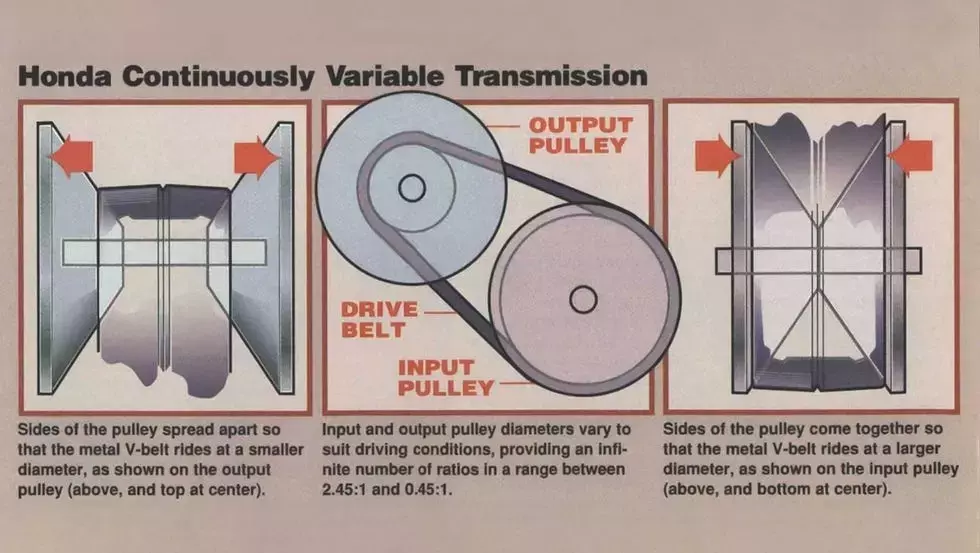
A standout feature of the 1996 Civic HX Coupe was its optional Continuously Variable Transmission (CVT). Unlike traditional automatic transmissions, the CVT operated without fixed gears, utilizing a metal V-belt between two variable-diameter pulleys to seamlessly adjust gear ratios. This system offered a smoother, more efficient power delivery. During performance tests, the CVT-equipped HX Coupe demonstrated superior acceleration, achieving 0 to 60 mph in 9.4 seconds in Sport mode, outperforming a conventional automatic LX sedan. The CVT's ability to maintain optimal engine RPMs resulted in a quieter and more stable driving experience, especially at cruising speeds. Despite a slight increase in fuel consumption during aggressive track testing, its overall efficiency and seamless operation impressed reviewers, who praised its innovative "ratio changer" mechanism.
The 1996 Honda Civic HX Coupe, with its appealing starting price of around $13,480 (under $14,700 with the CVT), represented a significant leap in automotive technology. Its blend of refined design, enhanced power, and the revolutionary CVT marked it as a forward-thinking vehicle that perfectly set the stage for the Civic's journey into the next quarter-century. This model exemplified how engineering innovation could translate into a more enjoyable and efficient driving experience for the everyday motorist.
The introduction of the 1996 Honda Civic HX Coupe with its advanced Continuously Variable Transmission offers a profound lesson in automotive evolution: true innovation often lies in refining core technologies to deliver tangible benefits to the driver. This model didn't just offer a new way to drive; it provided a smoother, more efficient, and arguably more engaging experience that challenged traditional perceptions of automatic transmissions. It highlights the importance of embracing new engineering solutions, even those that might seem unconventional at first glance, to push the boundaries of what's possible in vehicle performance and user satisfaction. This Civic serves as a testament to Honda's relentless pursuit of engineering excellence and its vision for a more efficient and dynamic future on the road.
