
In a head-to-head battle from June 1995, two titans of American luxury, the Cadillac SLS and the Lincoln Continental, faced off in a rigorous comparison. Both vehicles, boasting formidable 32-valve V-8 engines, four-speed automatics, independent suspensions, and advanced braking systems, promised a thrilling performance. The test, beginning in a snowy Michigan and concluding in the picturesque Bluegrass State of Kentucky, revealed distinct characters. While the SLS delivered aggressive power and a more visceral driving experience, the Continental distinguished itself with a sophisticated blend of technology and exceptional ride quality, ultimately securing a narrow victory.
Luxury Automotive Rivalry: The 1995 Showdown in Detail
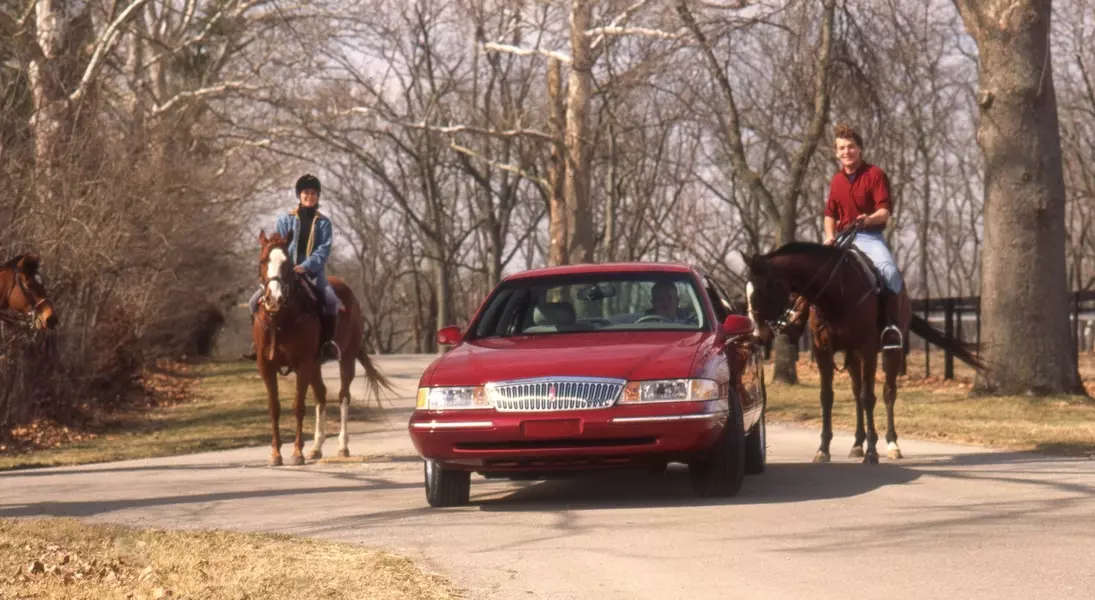
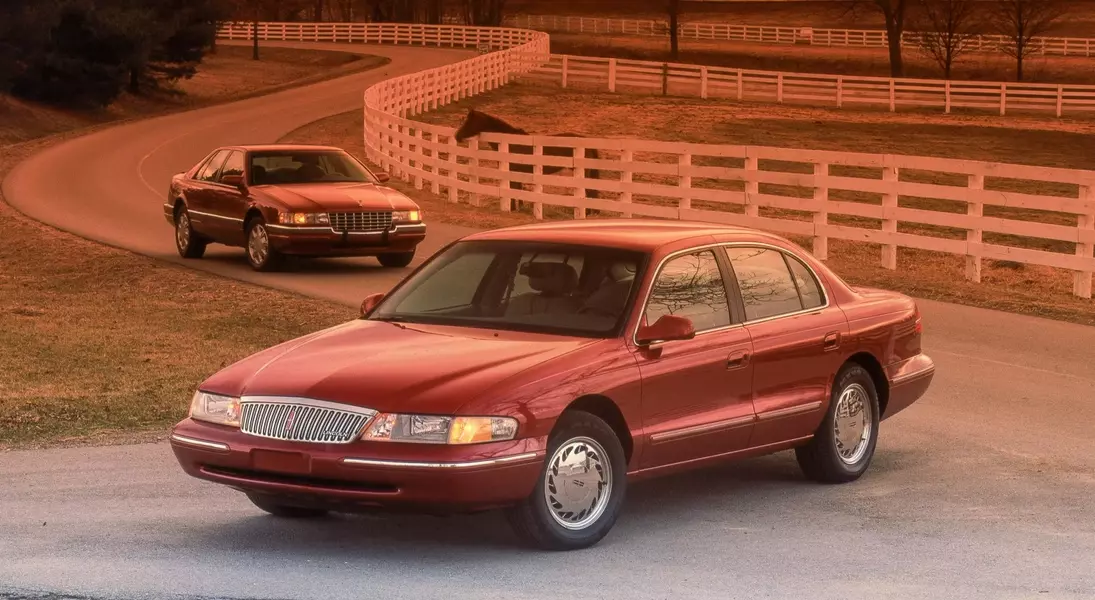
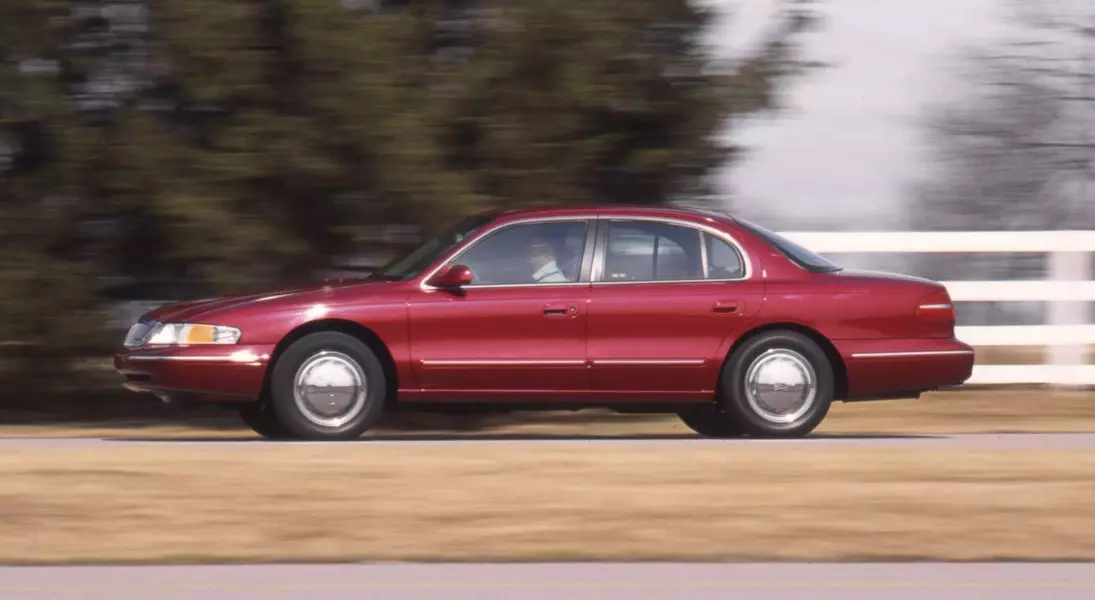
The epic clash between the 1995 Cadillac SLS and Lincoln Continental began in the challenging snowy terrains of Michigan, where both cranberry-colored luxury sedans showcased their front-wheel-drive systems and traction control. Seeking more favorable conditions, the testing expedition moved southward to the verdant landscapes of Kentucky, a region synonymous with both equestrian excellence and automotive prowess. Here, amidst the stately holdings, these American "luxorunners" truly came alive, their powerful V-8 engines effortlessly propelling them forward, a testament to the ceaseless march of automotive innovation.
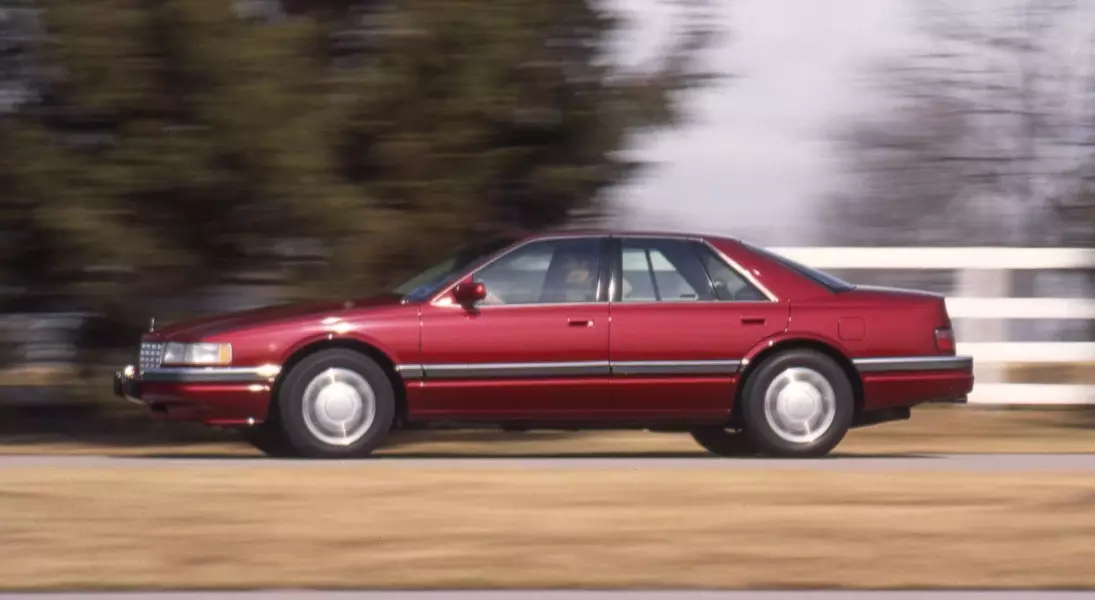
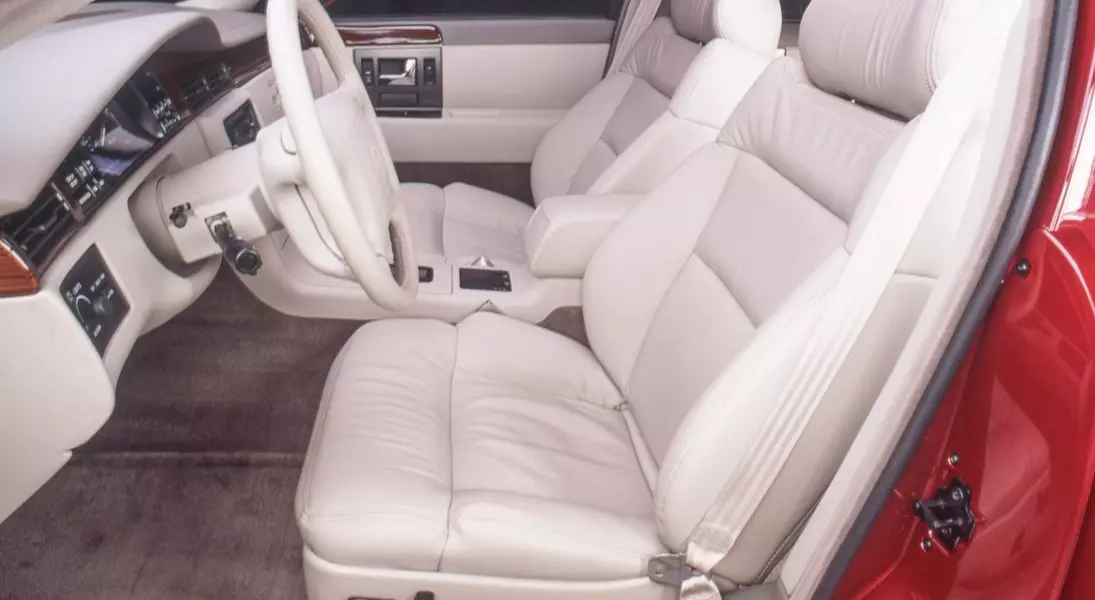
The seasoned Cadillac SLS, a three-year-old model, narrowly placed second in the comprehensive evaluation. Its robust 4.6-liter Northstar engine, now boasting 275 horsepower thanks to enhanced air induction, delivered a potent punch, achieving 0-to-60 mph in a swift 6.7 seconds. The SLS's design, characterized by its aggressive lines and substantial tires, conveyed an undeniable readiness for the open road. Inside, its cabin exuded a minimalist elegance, with premium leather, plastics, and wood creating a harmonious and intuitive environment. Drivers praised the Cadillac's responsive power delivery and precise shifting, particularly its ability to navigate challenging wet conditions. However, criticisms emerged regarding its pronounced torque steer under hard acceleration and a somewhat inconsistent braking feel. Despite these minor drawbacks, the SLS offered a dynamic and engaging driving experience, a clear indicator of Cadillac's evolving focus on driver enjoyment.
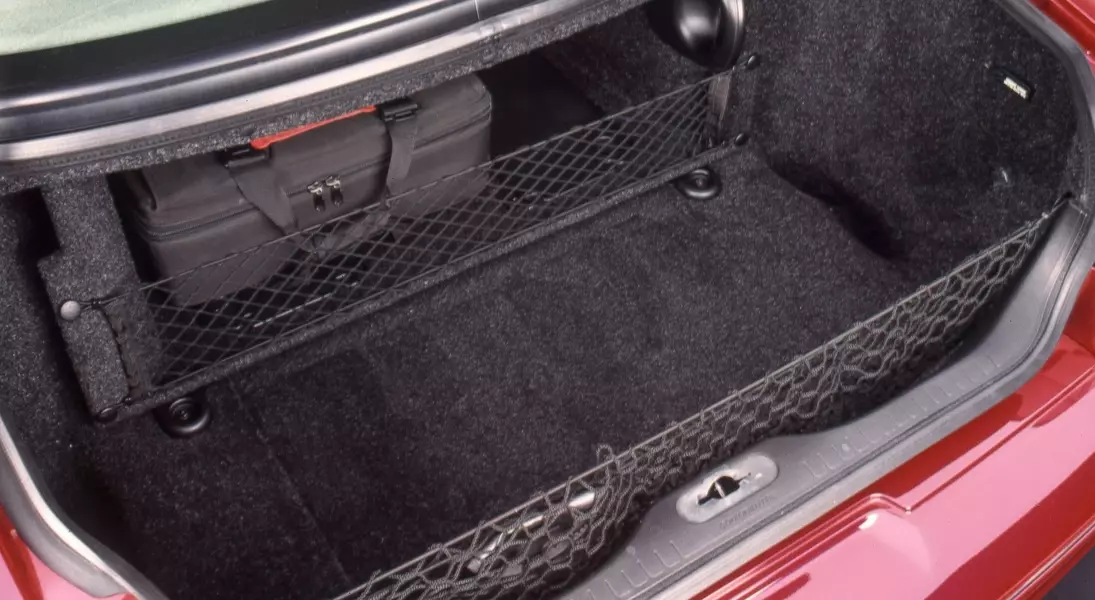
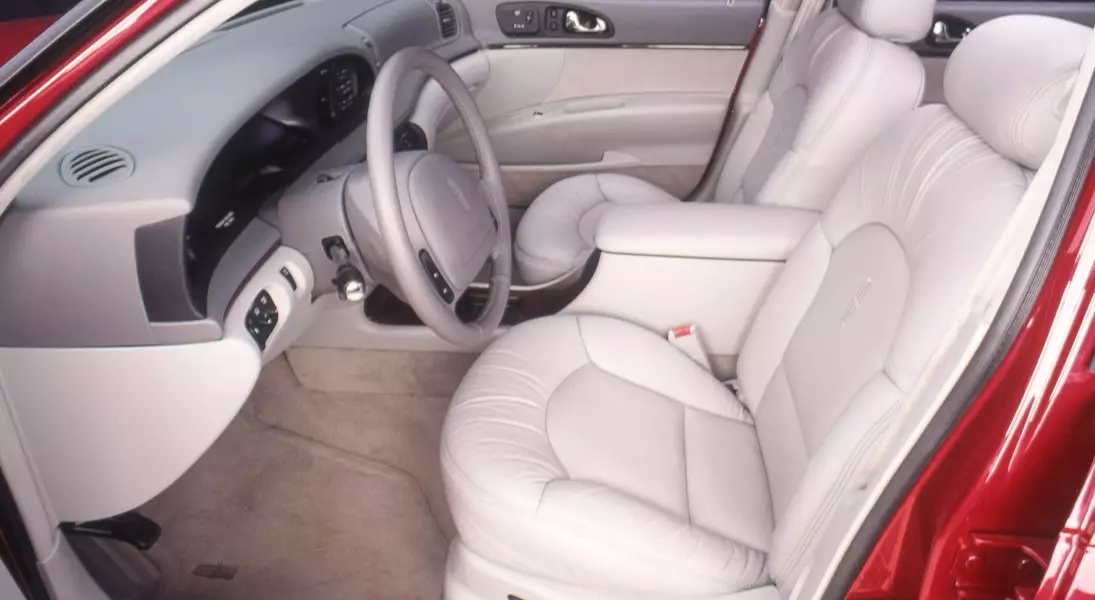
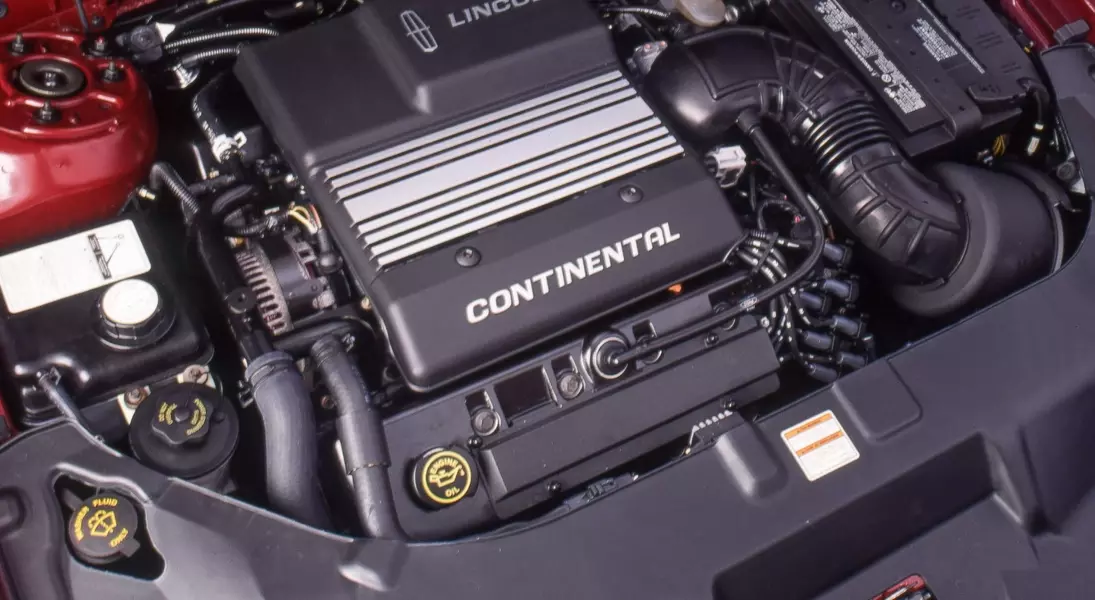
Emerging victorious in this closely contested comparison was the Lincoln Continental, showcasing Ford's renewed commitment to challenging its luxury rivals. While its exterior design was noted for being less striking, the Continental prioritized interior space and passenger comfort. Under the hood, its 4.6-liter InTech V-8 engine, though producing a slightly lower 260 horsepower compared to the SLS, represented a significant power increase over its predecessor. This power, combined with the car's 3960-pound curb weight, resulted in a 0-to-60 mph time of 7.6 seconds. The Continental's advanced "Memory Profile System" allowed for extensive customization of driver settings, including seat, steering, and suspension configurations, emphasizing its technological sophistication. Despite some ergonomic quirks, such as the placement of the cupholder, the Continental's ride and damping capabilities garnered significant praise. Its superior handling on both rough and smooth roads, coupled with excellent directional stability, ultimately gave it the edge, delivering a more composed and refined luxury experience.
This comparison from a bygone era serves as a compelling reminder of the fierce competition that once defined the American luxury car market. Both the Cadillac SLS and the Lincoln Continental, each with their unique strengths and philosophies, pushed the boundaries of automotive engineering and design. The SLS appealed to those seeking a more spirited and muscular drive, while the Continental offered a sophisticated blend of comfort, technology, and refined performance. The outcome highlights that in the realm of luxury automobiles, the intangible "feel" of a vehicle—its ability to inspire confidence and comfort—can often outweigh raw performance figures. It prompts reflection on how these marques have evolved since, and the ongoing quest for manufacturers to balance power, technology, and the ultimate driving experience.
