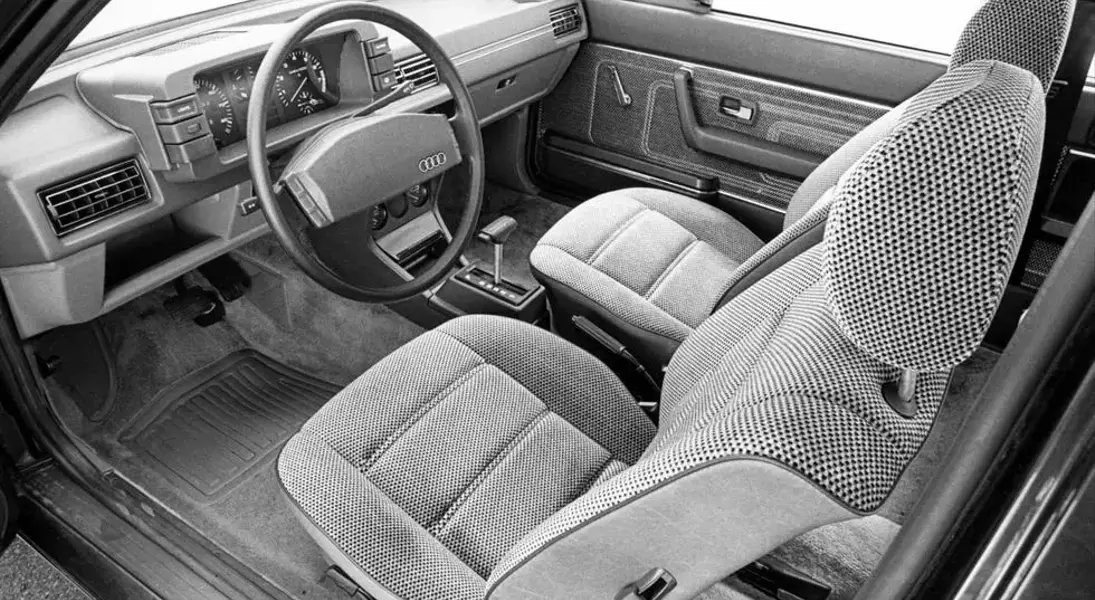
This archival review from October 1980 delves into the characteristics and market positioning of the Audi 4000 automatic, a vehicle that sought to distinguish itself through its German craftsmanship and refined design amidst a diverse range of competitors.
Embracing Elegance: A Look Back at the 1980 Audi 4000 Automatic
The Audi 4000's Unique Position in the Automotive Landscape of 1980
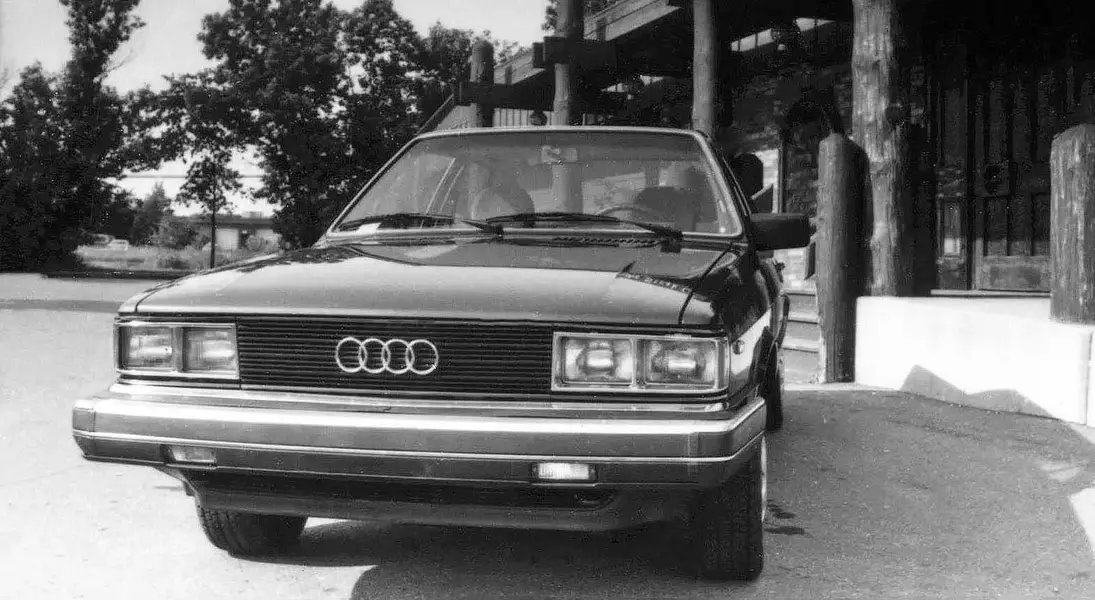
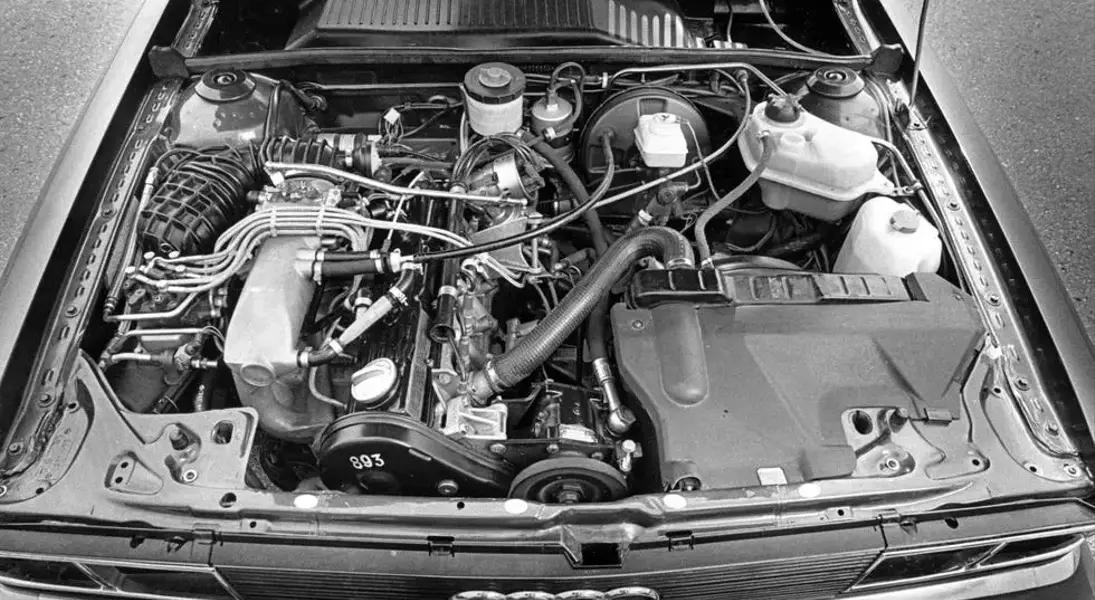
In the bustling automotive market of 1980, the Audi 4000 found itself in a challenging, yet distinct, niche. It wasn't as visually striking as its predecessor, nor did it possess the opulent features of its larger sibling, the 5000. While some competitors offered superior acceleration (like Volvos) or better fuel economy (like American X-cars and various Japanese sedans), the 4000 attracted a discerning clientele. These buyers valued German engineering, a palpable sense of quality, and an engine compartment that showcased meticulous design with aluminum and stainless steel components.
The Athletic Appeal and Economic Value of the Audi 4000
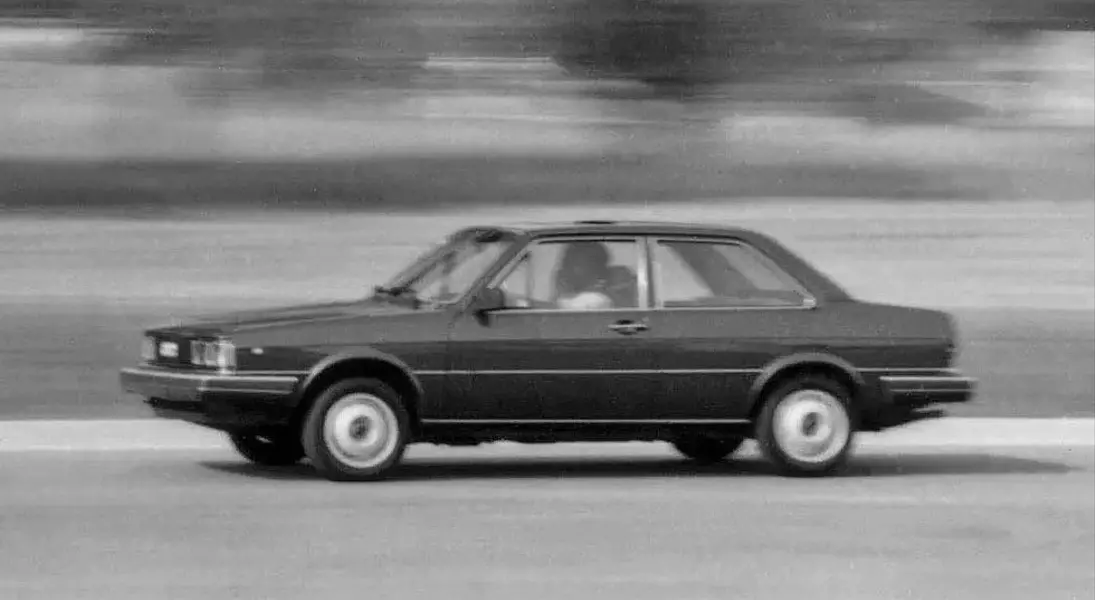
The Audi 4000's design language, characterized by its clean and understated lines, resonated with the growing emphasis on physical fitness in America during that era. Its sleek fenders made contemporary BMW 320is and Mercedes-Benz 280Es appear almost overly sculpted in comparison. This minimalist aesthetic, combined with its German heritage and mechanical sophistication, made the 4000 a perceived value, especially with a starting price under $10,000.
Elevated Performance: The Introduction of the 2.1-Liter Engine and Automatic Transmission
Audi's ambition for the 4000 extended beyond its initial price point. To push it into the five-figure realm, the manufacturer introduced a more powerful 2.1-liter five-cylinder engine, borrowed from the 5000 model. This upgrade was accompanied by the integration of an automatic transmission and power steering, alongside an expanded list of optional features. These enhancements allowed the 4000 to be configured as a sport sedan exceeding $13,000, despite its more modest starting price. Notably, the larger engine and automatic transmission were initially offered without a distinctive model designation, with a five-speed manual option slated for the 1981 model year.
Refined Driving Dynamics: Engine Characteristics and Acceleration Improvements
The new powertrain significantly elevated the 4000's character. While the five-cylinder engine produced a distinct drone at idle, it transformed into a powerful roar upon acceleration. The 100 horsepower, delivered through ram-tuned fuel injection, propelled the car with enthusiasm. The automatic transmission seamlessly shifted through gears, precisely at the 5100-rpm power peak, resulting in noticeably improved acceleration. The 0-to-60 mph time decreased by over a second, and the quarter-mile sprint was completed half a second quicker than with the conventional four-cylinder models. This newfound vitality, coupled with a responsive torque converter, allowed the 4000 automatic to confidently outmaneuver many of its four-cylinder rivals in urban environments. Remarkably, the fuel economy penalty for these performance gains was minimal, dropping by only 2 mpg from the four-cylinder's 22 mpg to 20 mpg.
Suspension System: Ride Quality and Handling Nuances
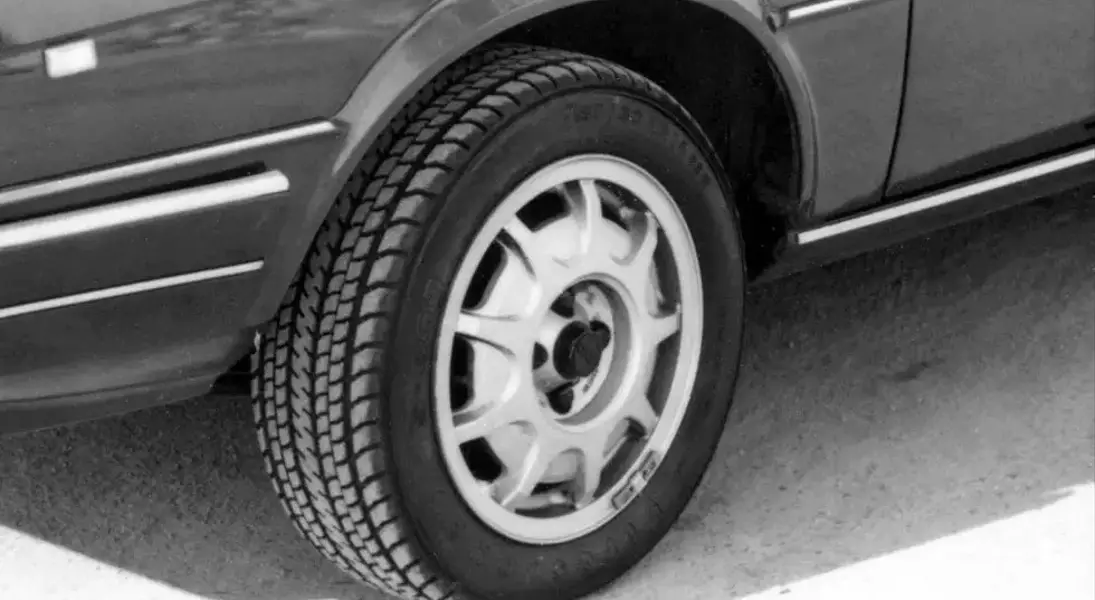
Although the suspension was reportedly retuned to accommodate the heavier engine, the difference in ride quality was not immediately apparent. The 60-series Firestone tires, while offering decent grip at 0.73 g on the skidpad, produced a drum-like sound over bumps. However, they effectively absorbed pothole impacts, preventing harsh jolts from reaching the cabin. The shock absorbers contributed to a smooth ride, yet they were deemed too soft for high-speed travel on uneven roads. This led to an undesirable effect where the car's front end would oscillate, causing a lateral movement that drivers experienced as a "corkscrew" sensation. This phenomenon, known as "bump steer" or "ride steer," indicated a need for improved damping and a more precise geometric alignment of the front suspension, particularly given the car's front-heavy nature.
Future Enhancements: Addressing Chassis Refinements
The review concluded by highlighting the necessity for Audi to address these suspension characteristics. The hope was that future iterations, particularly the anticipated five-speed, five-cylinder 4000, would feature a more refined chassis to match the car's improved engine performance. For consumers seeking the latest in German automotive style, the automatic version served as a suitable option, though those awaiting the five-speed manual would benefit from a more perfected driving platform.
